
Kicking off with The Beatles net worth today, it’s astonishing to see how this iconic band has maintained a significant financial presence even decades after their split. Their influence on music and culture has created a legacy that not only lives on in the hearts of fans but also continues to generate impressive income streams.
Their journey from humble beginnings to global superstardom is marked by significant album sales, groundbreaking tours, and lucrative licensing deals that have all contributed to their valuation. Today, their net worth reflects both their historical impact and the ongoing relevance of their music across various platforms.
The historical context of The Beatles’ financial growth
The Beatles, formed in Liverpool in 1960, rapidly transformed the music landscape and set a precedent for financial success in the entertainment industry. Their unprecedented rise in popularity can be attributed to a combination of innovative music, charismatic personalities, and an exceptional marketing strategy. By the time they disbanded in 1970, they had already established themselves as a cultural phenomenon, which continues to influence their net worth today.The Beatles’ journey to fame began with the release of their first single, “Love Me Do,” in 1962, which marked the start of Beatlemania.
Their unique blend of rock, pop, and folk resonated with a broad audience, leading to a series of hit albums and singles that dominated the charts. Significant events in their career contributed to their financial success, such as the iconic Ed Sullivan Show appearance in 1964, which introduced them to millions of American viewers and spurred record sales like never before.
Key events contributing to financial success
Several monumental milestones in The Beatles’ career significantly impacted their earnings. Their albums consistently broke sales records and paved the way for lucrative touring opportunities. Key events include:
- First World Tour (1964): This tour was pivotal as it expanded their fan base internationally and generated substantial revenue from live performances.
- Revolutionary Albums: Albums like “Sgt. Pepper’s Lonely Hearts Club Band” (1967) not only redefined artistic expression in music but also achieved unprecedented sales, with over 32 million copies sold worldwide.
- Licensing and Branding: The Beatles capitalized on their brand through licensing agreements, including lucrative deals for merchandise and collaborations, greatly enhancing their overall net worth.
- Film Ventures: Films such as “A Hard Day’s Night” and “Help!” presented additional revenue streams and solidified their impact on pop culture.
- Legacy and Catalog Sales: As of today, their catalog remains one of the most valuable in music history, with ongoing royalties from streaming services and re-releases contributing to their net worth.
The Beatles’ financial growth is not only a result of their music but also their ability to adapt and innovate within the entertainment industry, ensuring their legacy continues to thrive.
An overview of The Beatles’ income streams
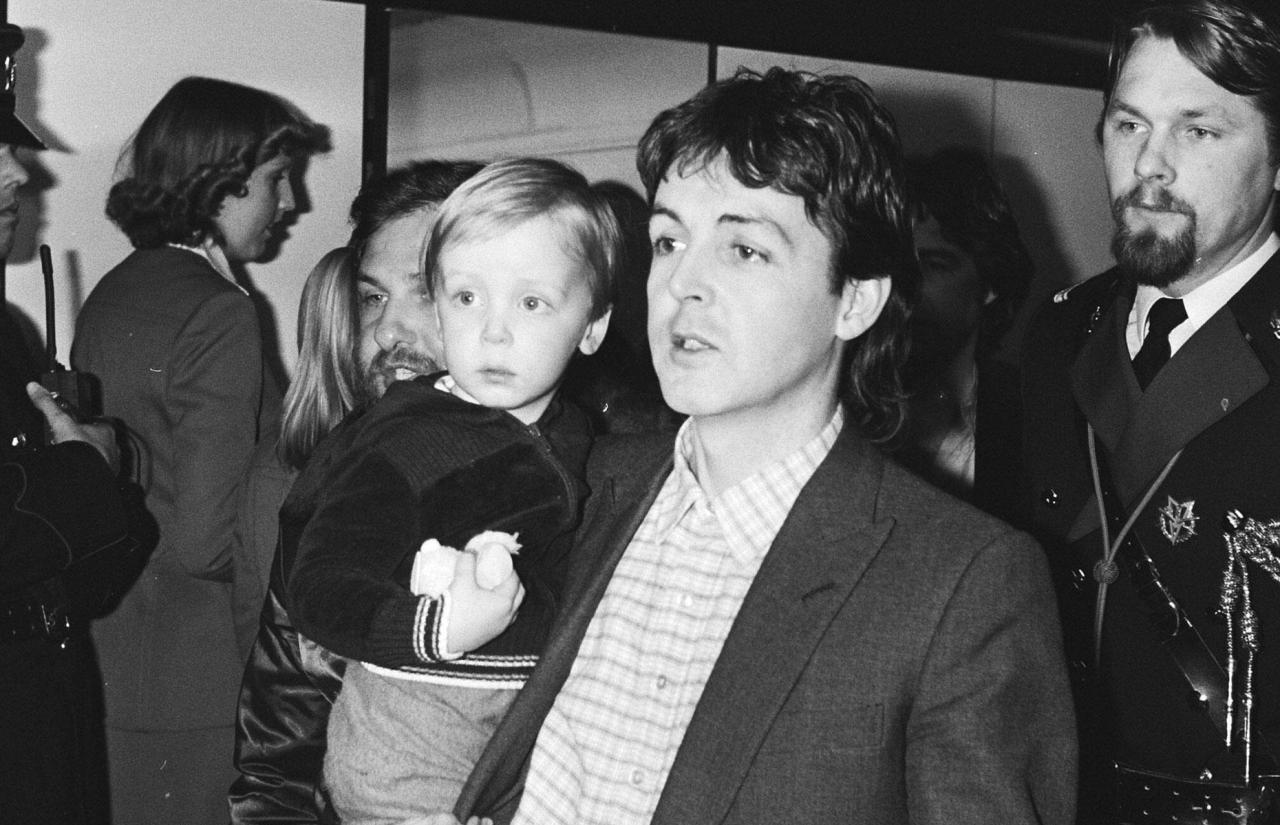
The Beatles, the iconic British band that revolutionized music, continue to generate significant income decades after their breakup. Their enduring legacy is reflected in a diverse array of income streams that contribute to their impressive net worth today. From music royalties to ventures in film and merchandise, The Beatles have established a multifaceted revenue model that remains robust in the modern economy.One of the primary sources of income for The Beatles comes from music royalties, which encompass earnings from album sales, streaming platforms, and licensing agreements.
As one of the best-selling music acts in history, their catalog has generated billions in sales, with classic albums consistently finding new audiences. Streaming services, like Spotify and Apple Music, play a crucial role today, allowing fans worldwide to access their music while generating revenue through streaming royalties. Additionally, licensing their songs for commercials, films, and TV shows continues to be a lucrative venture, ensuring that their music remains a part of popular culture.
Additional Revenue Streams Beyond Music
Beyond music royalties, The Beatles have successfully ventured into various arenas that significantly bolster their income. These additional income streams include merchandise sales and film revenues, both of which contribute substantially to their financial success.Merchandise sales are a vital aspect of The Beatles’ revenue. The enduring popularity of the band has led to a vast array of products ranging from clothing and accessories to collectibles.
Items featuring their iconic imagery or famous album art appeal to both old fans and new generations, maintaining a steady sales influx. Film revenues also play a significant role in their earnings. The Beatles starred in several films during their active years, such as “A Hard Day’s Night” and “Help!”, which not only generated box office success but have continued to yield profits through re-releases and licensing for streaming platforms.
Moreover, documentaries and biopics that explore their legacy further enhance their presence in the film industry, producing additional revenue streams.
The Beatles remain a cultural phenomenon, continually monetizing their brand through innovative avenues.
Through these diverse income streams, The Beatles exemplify how a musical legacy can evolve and adapt, sustaining relevance and profitability in an ever-changing landscape.
The impact of solo careers on The Beatles’ collective net worth
The Beatles, undoubtedly one of the most influential bands in music history, have seen their collective net worth significantly affected by the solo careers of each member. After disbanding in 1970, John Lennon, Paul McCartney, George Harrison, and Ringo Starr each embarked on individual paths that, while unique, contributed to their overall financial standing and the legacy of The Beatles brand.The financial successes and failures of these solo endeavors have added layers to their collective wealth, illustrating how individual projects can impact group dynamics.
An analysis reveals how each member’s ventures transformed their personal net worth and how these changes resonated throughout the Beatles’ legacy.
Financial analysis of each member’s solo career
Each Beatles member experienced varying degrees of financial success in their solo careers, impacting their overall wealth significantly. Below is an overview of their financial standings, including notable successes and failures:
- John Lennon: Post-Beatles, Lennon found immense success with his solo albums, particularly “Imagine,” which remains one of his most celebrated works. Despite facing challenges, including his untimely death in 1980, his estate continues to generate millions annually through royalties and merchandise.
- Paul McCartney: McCartney’s solo career has been particularly lucrative, with hits like “Maybe I’m Amazed” and collaborations with artists across genres. His ventures into classical music, as well as the successful band Wings, bolstered his net worth, making him one of the richest musicians globally.
- George Harrison: Harrison experienced mixed results. While his album “All Things Must Pass” did well, his investments in films and the formation of the production company HandMade Films faced ups and downs. Nevertheless, his estate has maintained a strong revenue stream through music royalties and posthumous releases.
- Ringo Starr: Starr’s solo career was marked by modest success, with hits like “It Don’t Come Easy.” He has remained active in the music scene, touring frequently. His financial outcomes are more stable than explosive, with consistent earnings from touring and merchandise.
A comparative look at their net worth before and after embarking on solo careers reveals substantial growth for some members:
| Member | Net Worth Before Solo Career | Net Worth After Solo Career |
|---|---|---|
| John Lennon | $150 million | $800 million (estimated, posthumously) |
| Paul McCartney | $200 million | $1.2 billion |
| George Harrison | $100 million | $400 million (estimated, posthumously) |
| Ringo Starr | $100 million | $350 million |
“Each member’s solo career enriched The Beatles’ collective legacy while demonstrating the varied paths of financial success that can stem from a single influential band.”
The analysis clearly demonstrates that while each member’s solo career had its unique trajectory, the aggregate impact has been profound, elevating their individual and collective legacies in the music world and contributing significantly to their net worth.
The Beatles’ legacy and its effect on net worth today
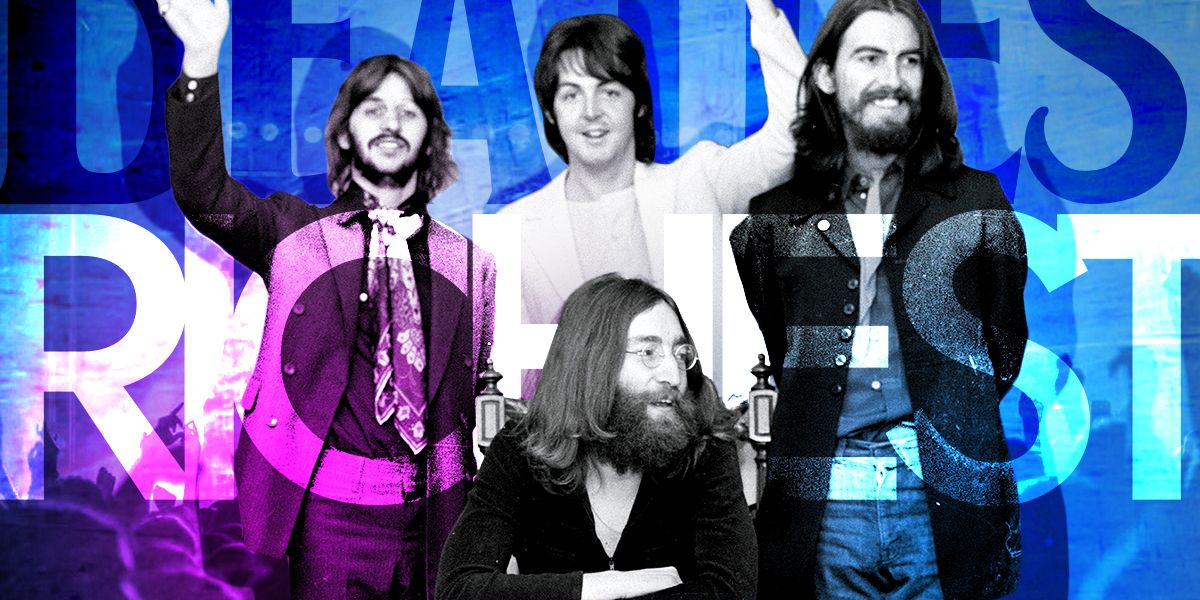
The Beatles have left an indelible mark on music and culture, and their legacy continues to enhance their financial status even decades after their breakup. The iconic band’s influence not only shaped the landscape of rock and pop music but also created a multi-billion dollar empire that thrives through various avenues of revenue generation. The Beatles’ cultural impact has played a significant role in preserving and augmenting their financial status over time.
Their music, characterized by innovative songwriting and groundbreaking studio techniques, resonates with both older generations and new listeners alike. This timeless appeal has ensured that their discography remains relevant, continually contributing to their net worth through sales, streaming, and licensing deals.
Revenue generation through modern platforms
The Beatles generate significant revenue in modern times through a variety of platforms. The following factors showcase how their music continues to be profitable:
- Streaming Services: The Beatles’ music is available on all major streaming platforms, including Spotify, Apple Music, and Amazon Music. Recent reports indicate that their songs receive millions of streams monthly, contributing to ongoing income through royalties.
- Digital Downloads: Despite the rise of streaming, digital downloads remain a viable source of income. Their classic albums and singles are frequently downloaded by fans worldwide, ensuring a steady influx of revenue.
- Sync Licensing: The licensing of their music for use in commercials, films, and TV shows further amplifies their financial legacy. Popular tracks like “Here Comes the Sun” and “Let it Be” are often featured in media, generating substantial fees.
- Merchandising: The Beatles brand has expanded into merchandise, including clothing, collectibles, and memorabilia, which continues to be immensely popular among fans and collectors alike.
Contributions from tribute bands and media adaptations
The legacy of The Beatles is also maintained and expanded through tribute bands, documentaries, and biopics. The following examples illustrate this ongoing financial legacy:
- Tribute Bands: Numerous tribute bands perform The Beatles’ music worldwide, drawing large crowds and generating ticket sales. Bands like “The Fab Four” and “Beatles Tribute” keep the spirit of The Beatles alive, attracting fans who relish the live experience.
- Documentaries: Documentaries such as “Get Back” directed by Peter Jackson have revitalized interest in The Beatles’ story and music. These projects often lead to increased sales of their albums and merchandise, as well as renewed interest in their catalog.
- Biopics: Films like “Yesterday,” which plays on the premise of a world where The Beatles never existed, generate buzz and spur interest in their original works, resulting in further revenue from music sales and streaming.
The enduring legacy of The Beatles not only shapes musical culture but also ensures their financial success for generations to come.
The influence of The Beatles on the music industry and financial model
The Beatles revolutionized the music industry in ways that continue to resonate today. Their innovative approach not only changed how music was created and consumed but also transformed the financial landscape for artists and record labels. By blending artistic expression with shrewd business acumen, they set new standards for revenue generation that would influence countless musicians and industry practices in the decades that followed.The Beatles were among the first to recognize the potential of a multifaceted revenue model.
They didn’t just rely on record sales; they engaged in a variety of income streams, including concerts, merchandise, and licensing deals. Their landmark deal with EMI Records in 1962 set a precedent for artist royalties that was substantially more favorable than what many musicians had received before. This strategy encouraged other artists to negotiate better contracts and seek additional revenue opportunities.
The significance of The Beatles’ brand in relation to merchandise and endorsements
The Beatles capitalized on their immense popularity by creating a powerful brand that extended far beyond music. Their merchandising strategy was groundbreaking and set the stage for how modern artists today leverage their image and influence to generate additional income. The Beatles were pioneers in using their likeness on a wide range of products, from clothing to toys, and even lunch boxes, effectively creating a pop culture phenomenon that transcended music.Their influence on merchandise can be seen through several key aspects:
- Brand Recognition: The iconic imagery associated with The Beatles, including their album covers and promotional materials, became instantly recognizable worldwide. This recognition allowed for effective marketing and significant profit margins on merchandise.
- Endorsements and Partnerships: The band entered into strategic partnerships with companies, solidifying their brand’s presence in various markets. Their collaboration with companies like Apple Corps highlighted the importance of aligning with the right partners to enhance brand visibility and value.
- Innovation in Products: The Beatles were not afraid to explore unconventional merchandise, such as animated films and video games, which expanded their reach and showcased their adaptability to changing consumer interests.
“The Beatles’ brand strategy established a blueprint for artist merchandising that remains influential today.”
This comprehensive approach to branding and merchandising has paved the way for modern musicians, who now routinely generate substantial income through similar strategies. The Beatles’ legacy is not just in their music but in how they reshaped the entire music industry’s financial model.
The role of The Beatles’ estate and management in net worth maintenance
The management of The Beatles’ estate plays a crucial role in maintaining and growing the band’s impressive net worth. With the passing of the original members, the responsibility to preserve their legacy has shifted to their estates, which are overseen by a combination of family members, legal representatives, and corporate entities. These individuals and organizations strategize not only to protect the brand but also to expand its reach in today’s ever-changing market.The responsibilities of The Beatles’ estate and management encompass a broad range of activities aimed at preserving the band’s legacy while driving financial growth.
The task primarily involves managing royalties from the extensive catalog of music, merchandising, and licensing deals. This includes negotiating agreements for the use of songs in films, commercials, and video games, which can significantly boost revenue. Furthermore, they oversee the marketing and distribution of remastered albums and special edition releases, allowing both new and long-time fans to engage with The Beatles’ music in fresh ways.
Strategic Management Practices
Several strategic practices are employed by The Beatles’ estate that have proven successful in maintaining and enhancing their net worth. Key aspects of these strategies include:
- Royalty Management: The estate carefully tracks and manages royalties from streaming services, digital downloads, and traditional sales. This ensures that the cash flow from their music remains robust, adapting to changing consumer behaviors.
- Brand Collaborations: Collaborations with brands for special merchandise or campaigns have expanded The Beatles’ presence in popular culture. Examples include partnerships with fashion brands and collaborations for anniversary merchandise that appeals to collectors.
- Music Licensing: The estate maximizes revenue through licensing The Beatles’ music for use in films, commercials, and other media. High-profile placements can lead to a significant influx of cash, while also introducing the music to a new audience.
- Digital Expansion: The estate has embraced digital platforms, ensuring that The Beatles’ music is available on all major streaming services, thereby reaching a global audience and generating ongoing revenue.
- Archival Releases: Releasing previously unreleased recordings, such as the “Get Back” sessions, has generated renewed interest in The Beatles’ music, providing both nostalgia for longtime fans and intrigue for new listeners.
Overall, the effective management of The Beatles’ estate has been key in not just maintaining their net worth but also in navigating the complexities of the modern music industry. Their proactive strategies ensure that The Beatles remain relevant and financially thriving, underscoring their status as an enduring cultural phenomenon.
Future projections for The Beatles’ net worth
The Beatles, despite being long disbanded, continue to generate significant revenue from their timeless music and brand. As we look ahead to the next decade, various factors will likely influence their financial standing, including emerging trends in the music industry and potential new projects or releases that could enrich their legacy and net worth even further.The music industry is evolving rapidly, with digital streaming, licensing deals, and innovative marketing strategies reshaping how artists earn revenue.
Given The Beatles’ vast catalog and enduring popularity, their net worth is expected to grow as they capitalize on these trends.
Potential Earnings and Market Trends
The projected earnings for The Beatles over the next ten years could be substantial, driven by several key market trends and initiatives:
- Streaming Revenue: As streaming platforms like Spotify and Apple Music continue to dominate music consumption, The Beatles’ music will likely see increased plays, resulting in higher royalty earnings. In 2021 alone, The Beatles earned around $60 million from streaming services, and this figure is expected to rise as their music remains a favorite among new generations.
- Licensing and Merchandising: The Beatles’ music is frequently used in commercials, films, and television shows, significantly boosting their income through licensing deals. In recent years, brand collaborations have become more prominent, suggesting that The Beatles could explore new partnerships that resonate with today’s consumers.
- New Releases and Remastered Editions: There is always potential for new releases, whether in the form of remastered albums, unreleased tracks, or special anniversary editions. For instance, the release of “Let It Be” in a new format generated notable interest and sales, indicating that future remastered collections could do similarly well.
“The Beatles’ music continues to resonate with audiences worldwide, providing them with both timeless appeal and financial security.”
Upcoming Projects and Collaborations
The Beatles’ brand remains relevant in today’s music landscape, with potential projects likely to impact their net worth positively. Insights into possible collaborations, reissues, or innovative ventures provide a glimpse into how they can further profit from their legacy:
- Documentaries and Biopics: The success of the “Get Back” documentary showcases the public’s interest in The Beatles’ history. Future projects in this vein could attract viewers and generate revenue through streaming rights and merchandise sales.
- Virtual Concerts: Leveraging technology, virtual concerts featuring holographic representations of The Beatles could offer fans unique experiences while generating income. This trend has been noted in the industry with other artists and could be a lucrative avenue for The Beatles.
- Collaborations with Contemporary Artists: Collaborating with popular artists can introduce The Beatles’ music to new audiences. Recent remixes and tributes have demonstrated the potential for cross-generational appeal, which could lead to increased sales and streaming numbers.
Closing Notes
In summary, The Beatles’ net worth today is a testament to their enduring appeal and strategic financial management. As their music continues to resonate with new generations, the band’s legacy is not just preserved; it is flourishing. The combination of their rich history and savvy business practices ensures that their financial success will likely continue for years to come.
Expert Answers
What is The Beatles’ estimated net worth today?
The Beatles’ estimated net worth today is around $1 billion, largely attributed to their music royalties and brand value.
How do The Beatles make money today?
The Beatles make money through music streaming, licensing, merchandise sales, and various media projects related to their legacy.
What impact do solo careers have on The Beatles’ net worth?
Each member’s solo career has significantly boosted their individual net worth and contributed to the overall financial standing of The Beatles as a group.
Are there any new projects that could increase their net worth?
Yes, upcoming documentaries, remastered albums, and potential new releases could all contribute to increasing their net worth in the future.
How has The Beatles influenced modern music revenue models?
The Beatles set new standards for music revenue generation that modern artists adopt, including merchandising and brand partnerships.