
The Beatles net worth today sets the stage for this enthralling narrative, offering readers a glimpse into a story that is rich in detail and brimming with originality from the outset. Over the decades, this iconic band has not only transformed music but has also cultivated a remarkable financial legacy that continues to thrive. From their early days in Liverpool to their monumental influence on popular culture, the financial evolution of The Beatles reflects a complex interplay of music, branding, and savvy investments.
As we explore their financial journey, we’ll delve into the milestones that marked their ascent, the impact of merchandise and branding, and how modern streaming services have reshaped their income streams. Additionally, we’ll take a look at the financial outcomes of their solo careers, the legacy of their media productions, and how real estate plays a crucial role in their investments.
The historical context of The Beatles’ financial growth over the decades
The Beatles, a name that resonates across generations, not only revolutionized music but also built an impressive financial empire. Their journey began in the early 1960s and has seen their net worth evolve dramatically, reflecting their immense popularity and influence. Understanding their financial growth offers insights into how a band can transform artistic success into substantial wealth.The Beatles’ net worth has undergone significant transformations since their inception, with each decade marking a milestone in their financial journey.
In the early years, their earnings primarily came from album sales, concerts, and merchandise. The band’s initial surge of popularity began with their first album, “Please Please Me,” in 1963, which established them as a dominant force in the music industry. By the end of the 1960s, their net worth had soared, largely due to groundbreaking albums like “Sgt. Pepper’s Lonely Hearts Club Band” and “The White Album.”
Key financial milestones in their career trajectory
Several key moments stand out in The Beatles’ financial history, each contributing to their burgeoning wealth.
- First Major Contract (1963): Their first signing with Parlophone Records set the stage for their future earnings, leading to a string of successful releases.
- Global Tours (1964-1966): The band’s tours, particularly in the U.S., resulted in enormous revenue, with the infamous Shea Stadium concert in 1965 grossing over $300,000, a record at the time.
- Formation of Apple Corps (1968): This multimedia company not only expanded their business ventures into film and merchandise but also allowed them to maintain control over their music rights.
- Selling of Music Catalog (1985): Michael Jackson’s acquisition of the rights to The Beatles’ catalog for $47 million dramatically shifted the landscape of music ownership and royalties.
- Revival of Interest (1995-Present): The release of “The Beatles Anthology” and the remastered editions of their albums rekindled global interest and increased their net worth significantly during the late 90s and early 2000s.
The evolution of their music catalog has been crucial to The Beatles’ overall wealth. Following their breakup, the continued success of their songs through covers, licensing, and digital sales has ensured a steady revenue stream. Additionally, their music has been featured in films, commercials, and television shows, expanding their reach and financial gain.
“The Beatles transformed not just music but also the business of music, paving the way for how artists could generate income beyond record sales.”
Their innovative spirit and savvy business decisions have solidified The Beatles’ status as one of the richest and most enduring musical acts in history, with their net worth continuing to grow as younger generations discover their timeless music.
The role of merchandise and branding in increasing their net worth
The Beatles, beyond their groundbreaking music, have built a formidable brand that continues to thrive decades after their disbandment. Merchandise sales play a pivotal role in their financial empire, contributing significantly to their wealth. The distinctiveness of their branding has allowed them to capitalize on their legacy, making their merchandise not just popular items, but also valuable collectibles that resonate with fans around the world.The impact of merchandise sales on The Beatles’ financial status is substantial.
From T-shirts to toys, their merchandise has generated impressive revenue over the years. The recognition of their iconic imagery, such as the yellow submarine and the Abbey Road crossing, has made their products instantly recognizable and desirable. In fact, various reports indicate that their merchandising revenue has contributed hundreds of millions of dollars to their overall worth, reflecting the enduring appeal of their brand in popular culture.
Significance of branding and licensing in financial success
Branding and licensing have been crucial in transforming The Beatles into a multi-dimensional business. The power of their brand extends beyond music into various sectors, including fashion, art, and entertainment, allowing for diverse revenue streams. The Beatles’ name and imagery are not merely historical artifacts; they have become a lucrative asset that can be strategically leveraged. The licensing of their music, images, and merchandise has enabled the group to tap into global markets.
For instance, partnerships with companies such as Apple Corps and various fashion brands have resulted in numerous collaborations that amplify their market presence. Key examples of iconic merchandise that include financial implications are:
- The Yellow Submarine merchandise: Items inspired by the animated film, from toys to apparel, have sold exceptionally well, embodying the whimsical spirit of The Beatles.
- Abbey Road-themed products: Apparel and accessories featuring the iconic album cover continue to be bestsellers, linking the past with contemporary fashion.
- Vinyl records and box sets: Special editions and remastered copies have not only appealed to collectors but have also commanded high prices, contributing to ongoing sales revenue.
- Beatles-themed video games: Games like “The Beatles: Rock Band” have brought new fans into the fold, showcasing their music and generating substantial sales in the gaming community.
As a testament to their brand’s power, The Beatles’ merchandise often appreciates in value over time, making it attractive not only for fans but also for investors. The blend of nostalgia and quality branding ensures that their products remain relevant and in demand, solidifying their financial legacy for generations to come.
“Merchandise is not merely a product; it’s a piece of the legacy.”
The influence of streaming services on The Beatles’ current net worth
Streaming services such as Spotify and Apple Music have revolutionized the music industry, providing artists, including iconic bands like The Beatles, with new revenue streams. As digital consumption of music overtakes traditional sales, the financial dynamics for older artists have shifted significantly. This transformation has profound implications for the net worth of The Beatles today.The emergence of these platforms has enabled The Beatles to reach a new generation of listeners while continuing to earn from their extensive catalog.
The financial impact of streaming on their net worth can be understood through the increase in royalties earned from digital plays. The Beatles, once only gaining revenue from physical album sales and radio plays, now benefit from millions of streams each month, which translates into substantial income.
Revenue from Streaming Platforms
The growth of streaming services has been a game-changer for older artists, particularly for The Beatles. Here are some key aspects regarding their revenue from these platforms:
- Streaming royalties have become a vital income source, significantly contributing to The Beatles’ overall net worth. In 2022 alone, it was reported that their catalog generated over $10 million in streaming revenues.
- The accessibility of their music on platforms like Spotify allows for an increase in plays, leading to higher royalty earnings. For example, their song “Here Comes the Sun” has been streamed over 1 billion times on Spotify, earning considerable revenue.
- As younger audiences discover and share The Beatles’ music through social media platforms, their relevance continues to grow, resulting in even more streaming activity and royalties.
- The Beatles’ music is often featured in playlists curated to evoke nostalgia, which further boosts their streaming numbers and, consequently, their income from royalties.
In summary, the influence of streaming services has provided The Beatles with a modern avenue to sustain and enhance their legacy while continually benefiting financially from their timeless music.
The financial legacy of The Beatles’ solo careers
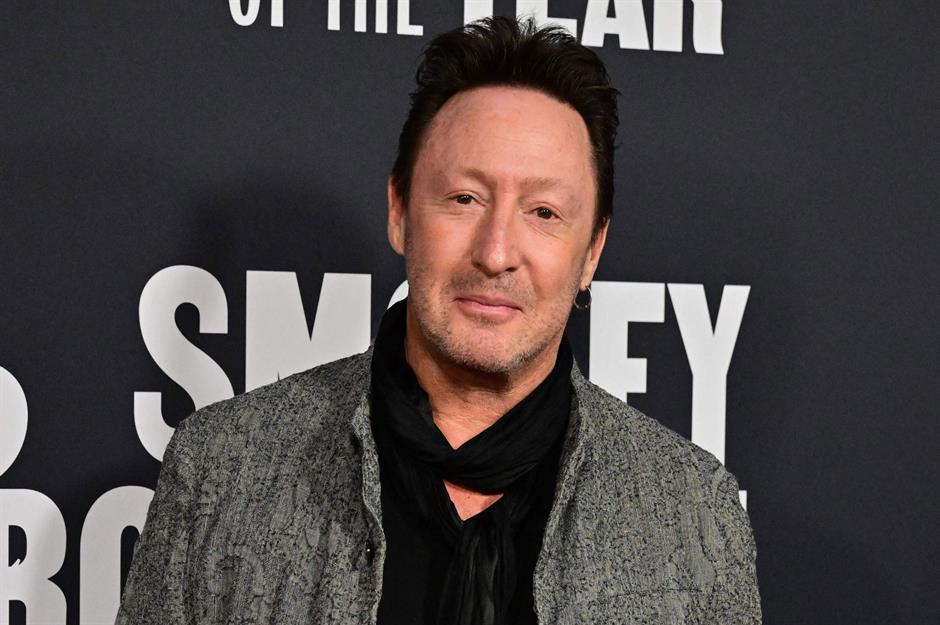
The financial impact of The Beatles extends far beyond their time together as a band. Each member charted their own path after the iconic breakup in 1970, leading to significant variations in their individual net worth and financial legacies. The solo careers of John Lennon, Paul McCartney, George Harrison, and Ringo Starr showcase diverse ventures that not only solidified their legacies but also dramatically influenced their overall financial status.
Net Worth Comparison Post-Breakup
The financial outcomes for each member of The Beatles illustrate a broad spectrum of success and business acumen. As of late 2023, the estimated net worth of each member stands as follows:
- Paul McCartney: Approximately $1.2 billion, primarily driven by his prolific songwriting royalties and diverse music ventures.
- Ringo Starr: Estimated at $350 million, benefiting from his continued music releases and various tours.
- George Harrison: At the time of his passing in 2001, his net worth was around $400 million, with significant earnings from his solo music and his involvement in the film industry.
- John Lennon: Valued posthumously at about $800 million, a result of his iconic music catalog and the enduring popularity of his solo work.
The differences in their financial standings are influenced significantly by the nature of their solo projects and their business decisions after the Beatles disbanded.
Lucrative Solo Endeavors
The solo careers of The Beatles were punctuated by various projects that greatly contributed to their wealth. Each member took distinct routes to success post-Beatles, reflecting their individual interests and talents.Paul McCartney’s ventures included successful albums, and he also formed the band Wings, which produced hits like “Band on the Run” and “Live and Let Die.” His extensive catalog has led to lucrative licensing deals, allowing him to maintain his position as one of the wealthiest musicians in the world.John Lennon, on the other hand, focused on a more politically charged solo career, with albums such as “Imagine” that continue to resonate socially and financially.
His estate benefits from the continual sales of his music and the commercial use of his image and songs.George Harrison made significant earnings through his work as a producer, notably with the film “Monty Python’s Life of Brian,” and by establishing the successful record label HandMade Films. His solo albums, such as “All Things Must Pass,” have also generated ongoing revenue.Ringo Starr found success through a combination of music and business ventures, including artwork and touring with his All-Starr Band, which remains a popular draw.
“The individual pursuits of The Beatles not only enriched their lives but established them as cultural icons across generations.”
The impact of The Beatles’ documentary and biopic releases on their wealth
The Beatles have remained a cultural phenomenon long after their disbandment, with recent documentaries and films showcasing their legacy and artistry. These productions not only celebrate The Beatles’ musical contributions but also generate significant financial returns that enhance their overall wealth. By reinvigorating interest in the band’s history and music, these media releases have become vital players in The Beatles’ financial ecosystem.The financial implications of recent documentaries and films are profound.
Not only do they provide historical context to the band’s work, but they also attract both old fans and new audiences alike, leading to a resurgence in sales of music, merchandise, and concert footage. Such productions can create renewed streaming activity and elevated physical album sales, effectively reinvesting in their extensive catalog.
Key Projects with Significant Financial Gains
Several documentary films and biopics have made notable impacts on The Beatles’ wealth. Each project illustrates the symbiotic relationship between their artistic legacy and commercial success.
- The Beatles: Get Back
-This three-part documentary directed by Peter Jackson, released in late 2021, provided an intimate look at the band during the recording of their final album, “Let It Be.” The extensive behind-the-scenes footage inspired a renewed interest in their music and led to a significant uptick in streaming numbers and physical sales of their albums, particularly the “Let It Be” album. - Eight Days a Week
-The Ron Howard-directed documentary, released in 2016, focuses on The Beatles’ touring years and their impact on music and culture. This documentary received critical acclaim and helped to boost the sales of live recordings and other archival materials, generating increased revenue. - Yesterday
-This 2019 film, while fictional, used The Beatles’ music as a central theme and contributed to a renewed interest in their catalog. The film’s success at the box office, alongside the popularity of the soundtrack, showcased the band’s ongoing cultural relevance and directly benefited their financial standing.
These projects demonstrate how the right narrative and presentation of The Beatles’ story can lead to impressive financial outcomes. By engaging audiences through innovative storytelling, these documentaries and films help to ensure The Beatles remain at the forefront of popular culture, continually boosting their wealth and fostering new generations of fans.
The role of real estate investments in The Beatles’ financial portfolio
The Beatles, renowned for their musical legacy, have also made significant investments in real estate, which have become vital components of their financial portfolios. Over the decades, the band members have acquired, developed, and sold various properties, leveraging the booming real estate market to enhance their wealth. This strategic approach to property investments not only reflects their business acumen but also illustrates how real estate can serve as a robust investment vehicle for high-profile individuals.Real estate has played a crucial role in the financial strategies of The Beatles, with various properties significantly impacting their overall net worth.
The band’s members, particularly Paul McCartney and Ringo Starr, have owned several notable properties that have appreciated in value over time. Their approach to real estate investments showcases the importance of diversifying assets to maintain and grow wealth. Here are some key properties and their current market values:
Key properties owned by The Beatles and their current market values
The Beatles have had several high-profile real estate investments that underscore their financial strategy. These properties not only serve as personal residences but also as lucrative assets. Notable examples include:
- McCartney’s London Home: Paul McCartney’s lavish home in London’s St. John’s Wood, valued at approximately £12 million, exemplifies high-end urban real estate. This property has a rich history and continues to appreciate significantly.
- Ringo Starr’s Beverly Hills Mansion: Ringo’s stunning mansion in Beverly Hills, worth around $9 million, showcases the allure of celebrity real estate in desirable locations, contributing to his overall financial portfolio.
- George Harrison’s Friar Park: This historic estate, with a current market value estimated at around $15 million, was a personal retreat for Harrison and a symbol of his wealth, further underlining real estate’s role in building and preserving wealth.
- John Lennon and Yoko Ono’s Dakota Building Apartment: Located in New York City and valued at around $9 million, this iconic property is steeped in celebrity history and remains a significant asset in their investment portfolio.
In addition to personal residences, The Beatles have engaged in noteworthy transactions that have influenced their net worth significantly. For instance, Paul McCartney’s acquisition of a former farmhouse in Sussex, which he transformed into a luxurious estate, illustrates how property development can yield substantial returns. Similarly, Ringo Starr’s sale of his previous property in London for a hefty profit not only bolstered his finances but also demonstrated the profitable nature of strategic property sales.
“Real estate is an investment in your future, and for The Beatles, it has been a pathway to financial security.”
Overall, The Beatles’ approach to real estate highlights a keen understanding of market dynamics and the importance of diversifying investments. Through strategic acquisitions and sales, they have successfully navigated the real estate landscape, ensuring their financial legacy continues to thrive.
The significance of tribute bands and cover artists in maintaining The Beatles’ financial relevance
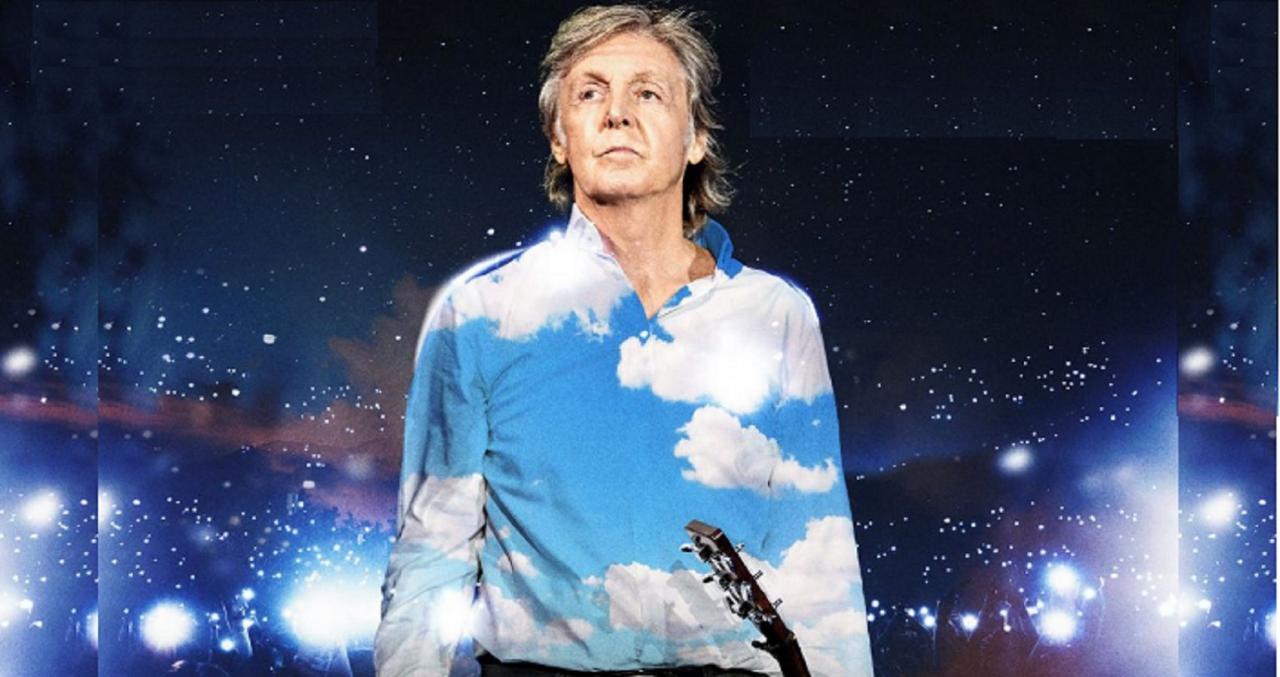
Tribute bands and cover artists play a crucial role in preserving The Beatles’ enduring legacy, actively contributing to the financial viability of their music decades after the band’s initial success. These performers not only pay homage to the original members but also introduce their timeless hits to new generations, ensuring that The Beatles remain a relevant and profitable entity in the music industry.The financial impact of tribute bands is substantial, with many of these groups generating significant revenue through performances, merchandise, and related events.
By recreating the Beatles’ iconic sound and image, tribute acts help sustain the cultural significance of their music while simultaneously generating income that benefits the original band’s estate. According to industry reports, the tribute band market is worth millions globally, with some estimates suggesting that top acts can earn upwards of $1 million per year. This remarkable financial contribution highlights the importance of these artists in keeping The Beatles’ brand alive.
Earnings and Contributions from Tribute Performances
The performance of tribute bands not only entertains audiences but also translates into impressive economic outcomes. Several key points illustrate the financial contributions of these artists:
- The average tribute band can earn between $500 to $5,000 per show, depending on the venue and audience size.
- Major tribute events, such as BeatleFest, regularly attract thousands of fans, generating substantial ticket sales and associated merchandise revenue.
- Notably, some top-tier tribute bands, like “The Fab Four,” have been known to generate over $1 million in annual revenues, showcasing the financial viability of performing Beatles music.
- Tribute acts often draw audiences to smaller venues, stimulating local economies through increased patronage at restaurants, hotels, and retail establishments.
- Specialized tribute shows, including themed performances and festivals, typically result in high ticket sales, further enhancing the economic impact of Beatles’ music.
The contributions of tribute artists extend beyond mere performances. They enhance the Beatles’ legacy by fostering a sense of nostalgia while also keeping the music alive in contemporary culture. These artists serve as ambassadors of The Beatles’ timeless sound, ensuring that the brand remains vibrant and financially relevant in today’s music landscape.
The effects of international sales and licensing deals on their net worth
The Beatles’ financial legacy is not just rooted in their musical genius but also heavily influenced by international sales and strategic licensing deals. Their ability to penetrate global markets has significantly augmented their wealth over the decades. By tapping into various international audiences, they have created a diversified revenue stream that has proven resilient and lucrative.International markets have had a profound impact on The Beatles’ financial standing.
Their music transcends borders, allowing them to gain substantial revenue from album sales, streaming, and merchandise across different regions. Notably, Asia and South America represent significant markets where their music has sustained popularity, leading to ongoing sales and new licensing agreements. This global reach has allowed The Beatles to maintain a consistent inflow of revenue, well beyond their active years as a band.
Notable Licensing Deals and Their Financial Impact
The Beatles have engaged in several high-profile licensing deals that have not only preserved their brand but also enhanced their net worth. These arrangements have allowed their music and likeness to be utilized in various products and media. The following are key examples of such deals:
- Apple Corps Licensing: The Beatles’ own company, Apple Corps, has been instrumental in controlling their music and brand. Through licensing agreements with various media companies, they have ensured that their songs are featured in films, commercials, and video games, generating significant royalties. For instance, the deal with Disney for the “Beatles: Rock Band” game created a substantial financial boost.
- iTunes and Streaming Services: The Beatles’ decision to join platforms like iTunes and later, streaming services such as Spotify, opened up new revenue streams. Their albums became top-sellers on these platforms, particularly in markets like the United States and the UK, where they consistently rank among the most-streamed artists.
- Merchandising Agreements: Collaborations with major retailers to produce Beatles-themed merchandise further enhanced their financial standing. Notable partnerships included the creation of apparel, home goods, and collectibles, which continue to attract fans worldwide.
Regional Variations in Net Worth Due to Geographic Factors
The Beatles’ wealth is also influenced by geographic factors that dictate market demand and sales potential. Different regions exhibit unique consumption patterns for their music, which can lead to varying financial impacts. For instance:
- North America: The Beatles enjoy a strong following in the United States and Canada, translating into robust album sales and concert revenues. As a result, their net worth has seen significant boosts from this region, especially through ongoing sales of vinyl and digital formats.
- Europe: In the UK and other European countries, The Beatles’ music remains timeless. Their influence on pop culture keeps sales consistent, while licensing deals for use in documentaries and television shows in these markets add to their financial success.
- Asia: Markets like Japan have shown a unique appreciation for The Beatles, with special edition releases and tribute concerts continuing to draw in fans. These localized efforts not only maintain their legacy but also contribute to their overall net worth.
“The Beatles’ ability to adapt and tap into international markets has secured them a financial legacy that few artists can rival.”
Final Thoughts
The Beatles’ financial story is a testament to their enduring influence and adaptability in a rapidly changing industry. Their ability to leverage various revenue streams—from merchandise to digital royalties—demonstrates how the band remains relevant even decades after their breakup. As we look back on their remarkable journey, it’s clear that The Beatles net worth today is not merely a figure but a reflection of a legacy that continues to inspire generations of fans and artists alike.
FAQ Overview
What is The Beatles’ estimated net worth today?
The Beatles’ estimated net worth today is around $1.2 billion, taking into account their collective earnings from music, merchandise, and other ventures.
How do streaming services impact The Beatles’ earnings?
What iconic merchandise contributes to their wealth?
Iconic merchandise like branded apparel, memorabilia, and limited edition releases play a significant role in The Beatles’ financial success.
How have recent media productions affected their net worth?
Recent documentaries and biopics have rekindled interest in The Beatles, leading to increased sales and a rise in their overall net worth.
What real estate investments do the band members have?
The band members own several valuable properties, including homes in London and the famous Abbey Road Studios, contributing to their financial portfolio.