
With The Beatles net worth 2026 at the forefront, this exploration unveils the remarkable financial journey of one of music’s most iconic bands. From their revolutionary beginnings in the 1960s to their enduring legacy today, The Beatles have not only changed the musical landscape but have also built a formidable financial empire.
As we delve into their historical financial success, we’ll uncover key milestones that have shaped their net worth, the impact of merchandise and branding, and how modern streaming services have transformed revenue streams. Each aspect reveals the intricate tapestry of The Beatles’ financial evolution, showcasing their strategic investments and the influence of tribute bands and media portrayals, all contributing to the ongoing allure and wealth of this legendary group.
The historical journey of The Beatles’ financial success
The Beatles, an iconic band that revolutionized the music industry in the 1960s, have seen an extraordinary evolution in their financial success. Their journey began in Liverpool, England, where four young musicians—John Lennon, Paul McCartney, George Harrison, and Ringo Starr—came together to create music that resonated worldwide. From modest beginnings in local clubs to becoming global superstars, The Beatles’ net worth has experienced remarkable growth over the decades, influenced by a series of strategic decisions, groundbreaking releases, and cultural events that shaped popular music.The financial ascent of The Beatles can be traced back to their initial success with the release of hits like “Love Me Do” in 1962.
This marked the beginning of their dominance in the UK charts, followed by their unprecedented breakthrough in the United States with “I Want to Hold Your Hand” in 1964. Their appearance on “The Ed Sullivan Show” further solidified their popularity, drawing an audience of over 73 million people and propelling their album sales. By the end of the 1960s, The Beatles had amassed significant wealth, with their net worth estimated to be in the millions, thanks to their record sales, merchandising, and concert tours.Key milestones played a significant role in enhancing their financial growth.
The release of landmark albums like “Sgt. Pepper’s Lonely Hearts Club Band” in 1967 not only showcased their innovative music but also set new sales records. Each subsequent album release, such as “The White Album” and “Abbey Road,” contributed to their continually increasing revenue streams. Additionally, the establishment of Apple Corps in 1968 allowed them to explore various business ventures beyond music, further diversifying their income.Major events also impacted their earnings over the decades.
The 1970 breakup of the band initially led to a decline in their collective net worth, but the subsequent solo careers of the members—especially McCartney and Lennon—saw lucrative ventures that kept the Beatles’ brand alive. The resurgence of interest in their music in the 1990s, fueled by the release of the “Anthology” series and the iconic “Beatles” video game, reinstated their status in popular culture and resulted in substantial financial windfalls.
By the 2020s, The Beatles’ estimated net worth had soared to several billion dollars, showcasing the timeless appeal of their music and the enduring legacy of their influence on the industry.
The impact of merchandise and branding on The Beatles’ net worth in 2026
The Beatles have long been recognized not only for their groundbreaking music but also for their remarkable ability to monetize their brand through merchandise. As of 2026, their net worth is significantly influenced by an extensive range of products that continue to resonate with fans across generations. The evolution of The Beatles’ merchandise reflects the band’s enduring popularity and savvy marketing strategies, which have maintained their financial status in an ever-changing entertainment landscape.The Beatles’ merchandise has transformed from simple record sales to a wide array of products that appeal to both nostalgic fans and new generations.
Initially, the merchandise era began in the 1960s with basic items like T-shirts, posters, and vinyl records. Over the years, the brand has expanded dramatically, with products including high-end collectibles, fashion collaborations, and even home décor. This evolution not only enhances fan engagement but also creates multiple streams of revenue.
Examples of Popular Merchandise Items and Collaborations
The Beatles have collaborated with various brands and introduced an impressive lineup of merchandise over the years, solidifying their presence in popular culture. These collaborations extend beyond traditional music merchandise, showcasing the band’s versatility in branding. Here are some notable examples:
- The Beatles Yellow Submarine Collectibles: The animated film “Yellow Submarine” inspired a line of merchandise that includes toys, puzzles, and home goods, attracting both collectors and children.
- Fashion Collaborations: Partnerships with fashion brands such as Comme des Garçons have produced stylish apparel featuring iconic Beatles imagery, appealing to a fashion-forward demographic.
- Vinyl and Boxed Sets: The re-release of remastered albums and special edition boxed sets has become a lucrative market, attracting audiophiles and collectors alike.
Branding plays a crucial role in maintaining The Beatles’ financial success. The band’s logo, imagery, and themes have become synonymous with cultural movements, allowing them to remain relevant. The distinct “Apple” logo and their unique album covers, such as the famous “Sgt. Pepper’s Lonely Hearts Club Band,” serve as powerful branding tools that evoke nostalgia and attract new fans. Moreover, their strategic use of social media and digital platforms has further expanded their reach.
By engaging with fans on these platforms, they harness the power of community, ensuring that new generations are introduced to their music and merchandise. In addition, limited edition releases and exclusive merchandise events create a sense of urgency and excitement, driving sales and enhancing their brand’s desirability. The Beatles’ ability to adapt their merchandise and branding strategies has been instrumental in preserving their legacy while enhancing their net worth in 2026.
As long as they continue to innovate and connect with fans, their financial influence is likely to remain significant.
The role of streaming services in The Beatles’ financial landscape
The advent of streaming services has dramatically transformed the music industry, reshaping how artists earn revenue and how fans access their favorite tunes. For The Beatles, a band whose legacy is iconic, the impact of platforms like Spotify, Apple Music, and Amazon Music has been profound. These services not only provide a modern listening experience but also serve as significant revenue streams that have increasingly contributed to their overall financial health.Digital streaming has increasingly eclipsed traditional physical sales in terms of revenue generation.
While The Beatles’ physical album sales have historically been strong, with millions of records sold worldwide, the shift to digital has opened new doors. For instance, major streaming platforms reported significant growth in user subscriptions, which has translated to higher streaming royalties for artists. In fact, in recent years, streaming has become the dominant source of income for many musical acts, including The Beatles.
Earnings from Physical Sales vs. Digital Streaming
The financial dynamics between physical sales and digital streaming reveal a noteworthy contrast. While physical sales, including vinyl, CDs, and cassettes, still provide a solid income stream, especially for legacy artists, the convenience and accessibility of streaming platforms have reshaped consumer behavior.
Physical Sales
The Beatles have sold over 600 million albums worldwide, generating substantial income through physical formats. However, as physical media consumption declines, so does this revenue source.
Digital Streaming
Streaming services have propelled The Beatles to new financial heights. Reports indicate that their catalog receives millions of streams daily, allowing them to earn significant royalties. In 2020 alone, it was estimated that The Beatles made around $70 million from streaming.The accessibility of The Beatles’ music on various platforms has broadened their audience base, pulling in younger generations who may not have engaged with their work in a physical format.
This evolution has played a critical role in enhancing their overall net worth in 2026, enabling them to remain relevant and financially robust in a rapidly changing music landscape.
A look at The Beatles’ investment strategies and financial management
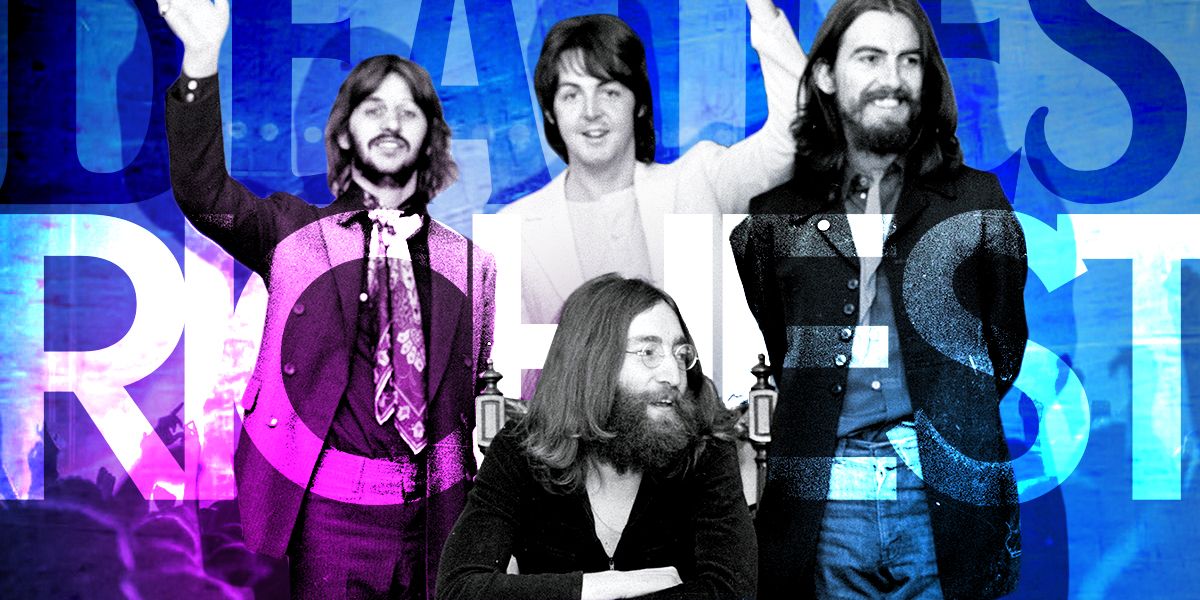
The Beatles, one of the most iconic bands in history, not only amassed wealth through their music but also showcased remarkable investment strategies that contributed significantly to their fortune. Their financial acumen, combined with innovative management practices, has ensured their continued relevance and profitability even decades after their initial fame.One of the most noteworthy aspects of The Beatles’ financial management is their approach to diversifying their investments across various avenues.
This strategy not only mitigated risk but also allowed for sustained growth. The Beatles and their management team, particularly through their company Apple Corps, explored different business ventures ranging from music publishing to film production. Their foray into the entertainment industry was marked by strategic investments that included record labels, merchandise, and even tech innovations.
Strategic Investments in Business and Real Estate
To illustrate the effectiveness of their investment approach, here are some specific ventures that shaped their financial landscape:
- Apple Corps: Founded in 1968, this multimedia company encompassed music, film, and other creative projects. Its diversified portfolio has effectively maintained The Beatles’ brand and intellectual property.
- Real Estate: The Beatles invested in various properties, including the iconic Abbey Road Studios. This location not only served as a recording studio but became a tourism hotspot, further enhancing its value.
- Publishing Rights: The acquisition of rights to their music and the catalog of other artists through their publishing arm, Northern Songs, allowed them to retain significant royalties from their works. This revenue stream has proven to be a long-lasting financial asset.
- Film Ventures: Investments in films such as “A Hard Day’s Night” and “Yellow Submarine” showcased their creative prowess while generating substantial box office returns. The continued streaming and licensing of these films have added to their wealth over the years.
- Merchandising: The Beatles understood the power of branding. Their merchandise, from clothing to memorabilia, continually generates revenue, especially through digital platforms and collectibles.
Their financial strategies have transcended mere investment; they encompass an overarching vision for legacy preservation. The Beatles’ estate planning, including trusts and carefully structured royalties, have ensured that their heirs benefit from their success while also maintaining control over their artistic output. The longevity of their relevance can also be attributed to savvy marketing and licensing deals, which keep their music and image fresh in the minds of new generations.
“The Beatles’ business model is a masterclass in leveraging artistic creativity for financial sustainability.”
The influence of tribute bands and cover artists on The Beatles’ earnings

The impact of tribute bands and cover artists on the financial landscape surrounding The Beatles is both significant and multifaceted. These groups not only celebrate the original band’s legacy but also contribute to ongoing revenue streams that enhance The Beatles’ already formidable net worth. By performing songs that fans cherish, tribute bands help keep The Beatles’ music alive and relevant, attracting both old and new generations of listeners.Tribute bands have created a unique niche within the music industry, generating substantial income through live performances, merchandise sales, and media appearances.
Such bands often perform at festivals, theaters, and events worldwide, bringing The Beatles’ music to audiences who may not have had the chance to see the original band live. For instance, groups like The Fab Four and Rain have gained significant recognition, performing shows that replicate the Beatles’ concerts and even dressing in period-specific clothing to enhance the experience. Their popularity has resulted in lucrative tours, which not only benefit the tribute bands themselves but also indirectly contribute to The Beatles’ earnings through royalties and licensing agreements.
The relationship between The Beatles and new artists covering their songs
Covering Beatles songs has been a lucrative practice for many contemporary artists, and the relationship between these artists and the original band is symbiotic. When new artists reinterpret Beatles songs, they often bring fresh audiences to the timeless classics, generating additional revenue through streaming and sales. Each time a song is covered, it can lead to increased royalties for the original composition.
Key examples include artists like Adele, who covered “Hey Jude,” and Ed Sheeran, who has performed “All You Need Is Love.” These renditions not only rejuvenate interest in the original tracks but also ensure that The Beatles continue to receive financial benefits through performance royalties. In summary, tribute bands and cover artists are not merely imitating The Beatles; they are vital contributors to a thriving financial ecosystem that keeps the band’s legacy alive.
The ongoing popularity and financial success of these acts ensure that The Beatles’ influence endures, helping to maintain and even grow their earnings long after the original members have stepped away from the stage.
The effect of documentary films and biopics on The Beatles’ popularity and wealth
Over the years, documentary films and biopics about The Beatles have played a significant role in reviving public interest in this legendary band. These media projects not only capture the essence of The Beatles’ music and their cultural impact but also introduce their story to new generations. The continual release of such films helps maintain their relevance, contributing to their sustained popularity and financial success.One notable film is “The Beatles: Eight Days a Week – The Touring Years,” directed by Ron Howard, which was released in 2016.
This documentary highlights the band’s touring years from 1962 to 1966, showcasing their live performances and the frenzy they created worldwide. The film’s critical acclaim and the nostalgia it evoked led to a resurgence in interest in their music, resulting in increased sales of their albums and merchandise. The film reportedly grossed over $2 million at the box office, contributing to The Beatles’ ongoing wealth.Another significant project is the biopic “Yesterday,” released in 2019, which imagines a world where The Beatles never existed, and one struggling musician discovers their songs.
The film not only celebrated The Beatles’ music but also sparked renewed interest in their catalog. Following its release, The Beatles’ songs saw a remarkable increase in streaming and sales, with various albums re-entering the charts. The financial implications of such projects extend beyond immediate box office receipts, as they renew interest in the band’s extensive discography, leading to increased royalties and licensing opportunities.In the long term, these media projects enhance The Beatles’ brand, creating a cycle of renewed interest.
Each documentary or biopic serves as a launchpad for new generations to discover or rediscover their music. The resurgence in popularity often leads to sold-out anniversary tours, special reissues of albums, and new merchandise opportunities. The continuous portrayal of The Beatles in popular media reinforces their iconic status, ensuring that their legacy remains vibrant and profitable. As long as there is interest in their story, they will likely continue to see positive impacts on their net worth and cultural relevance.
The impact of global tours and the revival of live performances on financial status
The Beatles’ legacy in live performances has long been a cornerstone of their financial success and cultural impact. From their groundbreaking concerts in the 1960s to the iconic Rooftop Concert in 1969, their performances set new standards for live music. The sheer popularity of their global tours not only solidified their status as musical legends but also contributed significantly to their net worth.
The revenue generated from ticket sales, merchandise, and subsequent royalties from live recordings and broadcasts has been substantial, creating a lasting financial foundation for the group.The revival of live performances is of particular interest, especially considering the resurgence of interest in classic rock and pop bands. A hypothetical reunion tour, though unlikely due to the band’s history and the passing of key members, could still generate immense financial implications.
For instance, if The Beatles were to align with modern technology and virtual reality, they could create a unique concert experience, drawing in audiences worldwide. Such a venture could easily surpass previous tour revenues, potentially raking in hundreds of millions of dollars, as has been seen with other legacy acts like The Rolling Stones and Queen.
Key Factors Contributing to Success of Revival of Live Performances
Several factors would be pivotal in determining the success of any revival of Beatles-style live performances. Understanding these elements is crucial for potential promoters and investors.
- Market Demand: The ongoing demand for nostalgic experiences among listeners, especially with younger generations discovering The Beatles through streaming platforms and social media, creates a vibrant market for revival tours.
- Technological Innovations: Advances in technology allow for enhanced concert experiences, such as holographic performances or augmented reality, making the idea of a live show more enticing.
- Merchandising Opportunities: Modern promotional strategies and merchandise, such as exclusive collectibles and partnerships with brands, can boost financial returns significantly.
- Brand Collaborations: Collaborating with contemporary artists or brands could attract a broader audience, blending classic music with modern tastes.
“The true legacy of The Beatles lies not only in their music but also in their ability to redefine the concert experience, creating an everlasting bond with fans across generations.”
Last Recap
In conclusion, the financial narrative of The Beatles is not just about numbers but an inspiring story of innovation, adaptation, and enduring popularity. Their ability to navigate changes in the music industry, alongside smart investment decisions and a strong brand presence, ensures that their net worth in 2026 reflects both their past achievements and future potential. As new generations discover their music, The Beatles continue to solidify their place in both the hearts of fans and the financial annals of music history.
Questions and Answers
What is The Beatles’ estimated net worth in 2026?
The Beatles’ estimated net worth in 2026 is projected to be around $1 billion, considering their ongoing revenue streams from music sales, merchandise, and brand collaborations.
How do tribute bands affect The Beatles’ earnings?
Tribute bands have contributed significantly to The Beatles’ earnings by generating interest in their music, which can lead to increased sales and streaming revenue for the original band.
What kind of merchandise has contributed to their financial status?
Popular merchandise items include clothing, collectibles, and special edition vinyl records, which have been lucrative for The Beatles and helped expand their brand.
How has streaming impacted The Beatles’ revenue?
Streaming has become a major revenue source for The Beatles, surpassing traditional physical sales and making their music more accessible to a global audience.
What role do documentary films play in enhancing their brand?
Documentary films and biopics have revived public interest in The Beatles, leading to increased merchandise sales and streaming revenue, ultimately boosting their net worth.