
Net wort off Bill Gates is a topic that piques the interest of many, given his status as one of the wealthiest individuals in the world. His financial journey is not just about the wealth he amassed through Microsoft but also involves strategic investments and philanthropic efforts that define his legacy. Gates’ ability to navigate the financial landscape while contributing to global well-being makes his net worth a fascinating subject to explore.
Delving into how Gates built his wealth reveals a story of innovation, strategic foresight, and a relentless pursuit of excellence. His rise started with the creation of Microsoft, where he transformed personal computing and established a foundation for his financial success. Throughout the years, Gates has not only accumulated wealth but has also made significant investments across various sectors, demonstrating a keen understanding of market dynamics and technology advancements.
Understanding the Financial Background of Bill Gates
Bill Gates has long been recognized as one of the wealthiest individuals in the world, largely due to his pioneering work in technology and software. His financial background is a fascinating journey marked by innovation, keen business acumen, and strategic foresight. Gates co-founded Microsoft in 1975, and this venture not only changed the landscape of personal computing but also significantly contributed to his wealth accumulation.
Understanding the nuances of his financial journey provides insights into the impact of technology on wealth creation.Gates’ financial ascent began with the inception of Microsoft, which he co-founded with Paul Allen. The company’s breakthrough came with the development of the MS-DOS operating system, followed by Windows, which became the dominant operating system in the personal computer market. This dominance catalyzed Microsoft’s rapid growth, leading the company to conduct its initial public offering (IPO) in 1986.
The IPO was a significant milestone, as it elevated Gates’ net worth to an estimated $350 million almost overnight, reflecting the immense valuation of the newly public company. His strategic decisions, such as licensing the Windows operating system rather than selling it outright, allowed Microsoft to achieve widespread adoption, further boosting its financial status.As Microsoft expanded throughout the late 1990s and early 2000s, Gates’ net worth soared, peaking at over $100 billion in 1999, as the dot-com boom propelled technology stocks to unprecedented heights.
Gates’ financial strategy was not solely limited to Microsoft; he diversified his investments into various sectors, including healthcare, energy, and even philanthropy via the Bill & Melinda Gates Foundation. This foundation, established in 2000, focused on global health and education initiatives, allowing Gates to leverage his wealth for social impact while also maintaining a significant investment portfolio. The influence of technological advancements on Gates’ financial status cannot be overstated.
The rise of the internet revolution in the 1990s fundamentally altered the landscape of technology and business. Gates adeptly transitioned Microsoft into the internet age with innovations such as Internet Explorer and cloud computing solutions like Azure. His ability to adapt to these rapid changes in technology ensured Microsoft’s continued relevance and profitability, solidifying his position as a financial titan.
In summary, Bill Gates’ financial journey highlights the intertwining of innovation and strategic investment within the technology sector, reflecting the profound impact of advancements on his wealth. His milestones, from the founding of Microsoft to the establishment of his philanthropic efforts, illustrate a narrative of not just personal success but also of significant contributions to society through technological progress.
Analyzing Bill Gates’ Investments Beyond Microsoft
Bill Gates’ financial portfolio extends far beyond the software giant Microsoft, showcasing a diverse array of investments across various sectors. These strategic choices reflect his keen insight into emerging technologies and industries that hold potential for growth. This exploration unveils how Gates’ investments contribute to his overall wealth and philanthropic initiatives.
Types of Investments Made by Bill Gates
Gates has diversified his investment strategy, focusing on several key sectors including technology, healthcare, energy, and sustainable agriculture. This wide-ranging approach allows him to mitigate risks while capitalizing on innovative developments. Notable investment sectors include:
- Technology: Gates has invested in companies like Facebook and Uber, seeing the potential in their disruptive business models.
- Healthcare: Through investments in health-focused companies, Gates aims to improve global health outcomes. He has backed firms like Moderna, particularly recognizing their innovation in mRNA technology.
- Energy: Gates has shown a strong commitment to clean energy through investments in companies like TerraPower, which focuses on nuclear energy solutions.
- Agriculture: Investments in agricultural technology firms help promote food security and sustainable farming practices.
The diversification of Gates’ investments not only provides financial returns but also aligns with his vision for a better world.
Role of the Bill and Melinda Gates Foundation
The Bill and Melinda Gates Foundation plays a crucial role in shaping Gates’ financial landscape. With a focus on addressing global challenges, this foundation is one of the largest private philanthropic foundations in the world. Its financial influence extends to various sectors, reinforcing Gates’ commitment to philanthropy.
The foundation aims to enhance healthcare, reduce extreme poverty, and expand educational opportunities across the globe.
The foundation’s initiatives frequently shape Gates’ investment strategies, as they often fund projects that have the potential to yield significant social impact. For example, investments in vaccine development not only reflect a financial strategy but also contribute to the foundation’s goal of global health improvement.
Impact on Net Worth and Philanthropic Influence
Gates’ strategic investments and philanthropy significantly influence his net worth and the broader community. His wealth has continued to grow, powered by successful investments in high-growth sectors, offset by his philanthropic giving. The balance between maintaining wealth and philanthropic efforts is evident in his financial portfolio. His investments generate returns that can be reinvested into critical areas such as education and health, amplifying his impact.
Through these efforts, Gates not only secures his financial future but also leaves a lasting legacy, shaping social outcomes worldwide. Investing with a purpose allows Gates to align his financial portfolio with his philanthropic vision, demonstrating that wealth can be a powerful tool for change.
The Impact of Philanthropy on Bill Gates’ Net Worth
Bill Gates is widely known not only for his technological innovations and business acumen but also for his extensive philanthropic efforts. His commitment to various global issues has profoundly influenced his financial landscape. While many might assume that giving away substantial wealth would decrease one’s net worth, Gates demonstrates a unique relationship between philanthropy and financial growth. This exploration delves into how his charitable contributions coexist with wealth accumulation and public image.The intersection of Gates’ charitable endeavors and his net worth reveals a complex yet fascinating dynamic.
Gates has pledged to give away the majority of his wealth through the Bill & Melinda Gates Foundation, which focuses on health, education, and poverty alleviation. Despite this significant outpouring of funds, Gates’ net worth has remained robust, often fluctuating around the $100 billion mark. This resilience can be attributed to strategic investments and the consistent growth of his remaining assets.
Charitable Contributions and Wealth Resilience
Gates’ approach to philanthropy is methodical, allowing him to maintain financial stability while contributing to societal betterment. Key aspects of this balance include:
- Long-term Investments: Gates continues to invest wisely in various industries, ensuring that his wealth is generating returns even as he donates substantial amounts to charity. His investment strategy focuses on sustainable and impactful sectors such as renewable energy and healthcare.
- Tax Advantages: Charitable contributions can provide significant tax breaks, allowing Gates to reduce his taxable income while also supporting causes he is passionate about. This strategic advantage helps him to manage his finances effectively.
- Asset Diversification: By diversifying his investments, Gates minimizes risks associated with market fluctuations, preserving his wealth even as he allocates funds for philanthropic activities.
The public perception of Bill Gates is largely shaped by his philanthropic image. His commitment to social causes enhances his reputation, portraying him as a responsible and ethical leader in the business community. This positive perception can lead to increased opportunities and partnerships, further solidifying his financial status. Gates employs various strategies to strike a balance between wealth accumulation and philanthropy.
This includes leveraging his business acumen to identify high-impact investment opportunities and engaging in global discussions on pressing issues. His initiatives, such as the Giving Pledge, encourage other billionaires to commit a significant portion of their wealth to philanthropy, thus creating a culture of giving that positively influences his financial decisions. As a result, Bill Gates stands as a testament to the idea that philanthropy does not have to hinder wealth growth; rather, it can coexist with financial success in a mutually beneficial relationship.
Comparing Bill Gates’ Net Worth with Other Billionaires

Bill Gates has long been recognized as one of the wealthiest individuals in the world, primarily due to his success with Microsoft. However, the landscape of billionaires has evolved significantly over the last decade, especially in the tech sector. This section delves into how Gates’ net worth measures up against other prominent tech billionaires and what factors contribute to their financial fluctuations.
Financial Standings of Tech Billionaires Over the Last Decade
To understand the relative positions of tech billionaires, it’s essential to compare their net worths over time. Below is a table showcasing the estimated net worth of Bill Gates alongside other notable figures like Jeff Bezos, Elon Musk, and Mark Zuckerberg from 2013 to 2023.
| Year | Bill Gates (USD) | Jeff Bezos (USD) | Elon Musk (USD) | Mark Zuckerberg (USD) |
|---|---|---|---|---|
| 2013 | $66.0B | $115.0B | $0.0B | $24.0B |
| 2015 | $79.0B | $80.0B | $13.3B | $45.0B |
| 2018 | $95.0B | $160.0B | $19.5B | $55.0B |
| 2020 | $98.0B | $200.0B | $157.0B | $85.0B |
| 2023 | $120.0B | $145.0B | $230.0B | $100.0B |
The fluctuations in the net worth of these tech giants can be attributed to various factors including market conditions, company performance, and strategic investments. For instance, the rise of e-commerce significantly boosted Jeff Bezos’ wealth through Amazon, while Elon Musk’s ventures in electric vehicles and space exploration skyrocketed his net worth in recent years.
“Market dynamics, innovation, and global events significantly influence the net worth of billionaires in technology.”
Understanding these dynamics is crucial for interpreting the financial landscape among the world’s wealthiest individuals. As technology continues to evolve, the ranking and wealth of these billionaires may shift, reflecting their adaptability and business acumen.
Future Projections of Bill Gates’ Net Worth
As one of the wealthiest individuals in the world, Bill Gates’ financial future is a topic of great interest. With a diverse portfolio and a keen eye for emerging trends, Gates continues to shape his financial destiny through strategic investments and philanthropic efforts. Understanding the potential future earnings and the factors that may affect his net worth can provide valuable insights into his financial trajectory.Current investments play a significant role in shaping Gates’ future earnings.
His stake in Microsoft remains a cornerstone of his wealth, although he has gradually reduced his holdings in the tech giant. Gates has diversified his investments through the Bill and Melinda Gates Foundation and other ventures. In recent years, he has placed considerable emphasis on sectors such as clean energy, biotechnology, and agriculture, which are poised for growth as global trends shift toward sustainability and health innovation.
Economic Factors Influencing Net Worth
Several economic factors could impact Bill Gates’ net worth in the coming years. Understanding these influences is crucial for predicting his financial trajectory.
- Market Volatility: Economic fluctuations, including stock market changes and global economic trends, can greatly influence Gates’ wealth, given his substantial investments in publicly traded companies.
- Technological Advancements: As technology continues to evolve, Gates’ focus on sectors like artificial intelligence and renewable energy could yield significant returns, especially as these industries mature.
- Global Economic Conditions: Economic recovery post-pandemic, inflation rates, and international trade dynamics will also play a critical role in shaping investment opportunities and challenges for Gates.
- Philanthropic Commitments: Gates’ ongoing charitable contributions through his foundation may affect his net worth, as they often involve large sums that could be reinvested for growth.
- Government Policies: Regulatory changes, tax reforms, and government incentives in sectors where Gates has invested can either bolster or hinder his financial growth.
Financial analysts have made various predictions regarding Gates’ financial trajectory. Many expect that with his strategic investments in high-growth sectors, his net worth could see a significant increase over the next decade. For instance, analysts have noted that the renewable energy sector is expected to grow exponentially, potentially generating substantial returns for early investors like Gates. As noted by a recent market analysis, “Investing in clean energy is not just a trend; it’s a necessity that aligns with global economic shifts and consumer demands.”In summary, while Gates’ net worth remains substantial, various economic factors and trends will play critical roles in determining how it evolves.
Continuous adaptation to market conditions and a focus on innovative sectors will be pivotal in shaping his financial future.
Behind the Scenes of Bill Gates’ Wealth Management Strategy
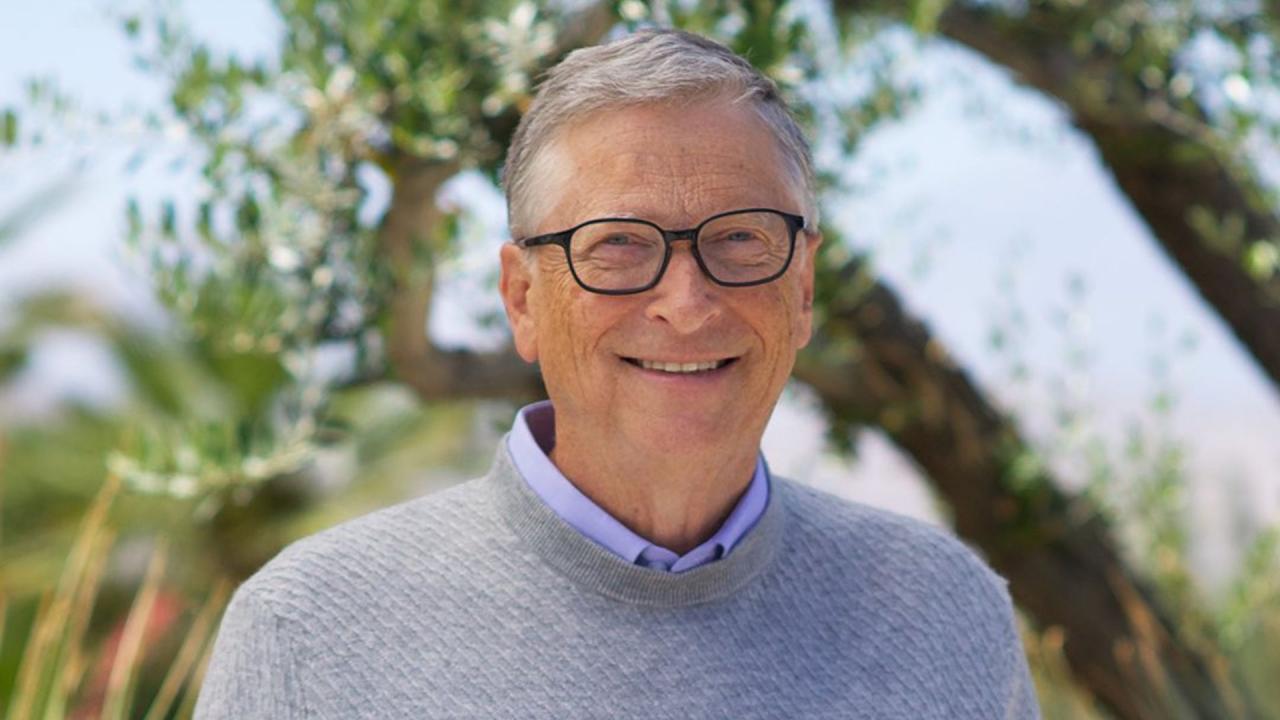
Bill Gates, the co-founder of Microsoft and one of the wealthiest individuals in the world, has employed a multifaceted approach to wealth management that has helped him maintain and grow his financial empire. His strategies are a blend of astute investments, collaboration with financial experts, and a strong emphasis on diversification, ensuring a stable and expansive portfolio.To navigate the complex world of investments, Gates relies on a network of seasoned financial advisors and investment managers.
This collaboration is crucial, as it allows him to tap into diverse expertise and insights from different sectors. By working closely with these professionals, Gates can implement strategies that align with his financial goals and risk tolerance, adapting to market changes swiftly.
Financial Strategies for Wealth Maintenance
A key element of Gates’ wealth management strategy is his commitment to ongoing education and adaptation in an ever-evolving financial landscape. This includes a detailed analysis of market trends and investment opportunities. Some financial strategies he employs include:
- Investing in Sustainable Companies: Gates has shown a strong interest in environmentally sustainable investments, aligning his portfolio with global trends toward sustainability.
- Venture Capital Investments: Through his investment firm, Gates Ventures, he invests in promising startups and innovative technologies, which have the potential for high returns.
- Real Estate Holdings: Gates invests in high-value real estate properties to secure stable income and asset appreciation over time.
In addition, strong asset allocation plays a crucial role in maintaining diversity in Gates’ investment portfolio.
Importance of Diversification in Wealth Management
Diversification in investment is not just a financial strategy; it is a protective measure against market volatility. Gates understands that spreading investments across various sectors reduces risk and increases the likelihood of stable returns. The diversification approach includes:
- Equities: A significant portion of Gates’ wealth is tied to stocks in technology, healthcare, and consumer goods sectors, which historically show resilience in different market conditions.
- Bonds: Incorporating bonds provides a steady income stream and acts as a buffer during stock market downturns.
- Alternative Investments: Investments in hedge funds, private equity, and commodities help Gates capitalize on market shifts and unique opportunities.
By ensuring that his portfolio is well-diversified, Gates minimizes risks while maximizing potential rewards. As he continues to adapt to new trends and innovations in investing, his wealth management strategy serves as a model for others aiming for long-term financial stability and growth.
The Role of Market Trends in Shaping Gates’ Financial Status
The financial landscape is constantly changing, and for individuals like Bill Gates, staying attuned to market trends is essential for wealth preservation and growth. As one of the world’s wealthiest individuals, Gates’ financial status is significantly influenced by global economic conditions, stock market fluctuations, and emerging industries. Understanding these trends not only helps in evaluating his net worth but also in analyzing how he strategically manages his investments.Global market trends have a profound impact on the valuation of Gates’ investments, particularly in technology, healthcare, and renewable energy sectors where he has substantial stakes.
The rise or fall of stock prices, interest rates, and economic stability directly affect the worth of the companies Gates invests in, thereby influencing his overall net worth. For example, during the tech boom of the late ’90s, Gates saw a dramatic increase in his wealth as Microsoft shares soared. Conversely, market downturns, such as the dot-com crash or the 2008 financial crisis, resulted in significant dips in his net worth.
Impact of Specific Events on Gates’ Net Worth
Market events can lead to rapid fluctuations in Gates’ financial standing. Notable examples include:
- The 2000 Dot-com Bubble: This period was marked by excessive speculation in internet-based companies, leading to a peak and subsequent crash that heavily impacted tech stocks, including Microsoft. Gates’ net worth fluctuated as a result.
- The 2008 Financial Crisis: The global economic downturn led to a significant decline in stock market values, adversely affecting Gates’ investment portfolio and resulting in a notable decrease in his wealth.
- The COVID-19 Pandemic: As the world faced economic uncertainty, Gates was quick to pivot his investments towards healthcare and biotechnology, particularly in vaccine development, which later proved to be a lucrative decision.
These examples illustrate how external factors can influence the trajectory of Gates’ wealth over time.
Adaptation Strategies in Response to Market Conditions
To maintain and grow his wealth amid changing market trends, Gates employs several strategic adaptation methods. These include diversification of his investment portfolio, focusing on industries that demonstrate resilience or potential for growth, and leveraging philanthropic initiatives to maintain a positive public image while also investing for returns.Gates often reallocates his investments based on market performance and emerging technologies. For instance, he has increasingly invested in sustainable energy businesses as the world shifts towards greener alternatives.
This not only reflects his commitment to environmental issues but also positions him advantageously in a rapidly evolving market.
“Investing in sectors with long-term growth potential is crucial for wealth preservation in an ever-changing economic landscape.”
Furthermore, Gates utilizes data analysis and market research to make informed decisions. By keeping abreast of global economic trends and consumer behavior, he can anticipate market shifts and respond proactively. This strategic foresight has helped him remain one of the wealthiest individuals globally, even as market conditions fluctuate.
The Role of Market Trends in Shaping Gates’ Financial Status
Market trends significantly influence the valuation of Bill Gates’ investments, primarily because he has strategically positioned his portfolio to respond to global economic conditions. As one of the most recognized figures in business and philanthropy, his financial status is often swayed by varying market dynamics, from technological advancements to shifts in consumer behavior. Understanding how these trends affect his wealth provides insight into his investment strategies and responses to economic changes.Global market trends, including advancements in technology, changes in consumer preferences, and fluctuations in economic conditions, can drastically impact the valuation of Gates’ investments.
For instance, his early investment in companies like Microsoft positioned him favorably during the tech boom of the late 1990s and early 2000s, significantly boosting his net worth. Conversely, downturns in technology stocks or economic recessions can lead to declines in his investments, impacting his overall financial status.
Influence of Specific Events on Net Worth
Several specific events illustrate how market trends have directly affected Gates’ net worth over the years. The following examples highlight this phenomenon:
- The Dot-com Bubble (1999-2000): During this period, Gates’ wealth surged as technology stocks soared. However, when the bubble burst, his net worth experienced a significant drop as Microsoft shares plummeted.
- The 2008 Financial Crisis: This global economic downturn affected numerous sectors, including technology. Although Gates had diversified investments, the crisis still impacted Microsoft’s stock price, causing a temporary dip in his net worth.
- The COVID-19 Pandemic (2020): The pandemic accelerated digital transformation, benefiting companies like Microsoft. Gates saw a substantial increase in his wealth as tech stocks rebounded and thrived during this period.
Adapting to changes in market conditions is crucial for preserving wealth. Gates employs a range of strategies to mitigate risks associated with economic fluctuations. His approach includes diversifying investments across various sectors, such as technology, renewable energy, and healthcare. This diversification helps cushion the impact of downturns in specific industries.Additionally, Gates often collaborates with experienced financial advisors and investment firms to stay informed on market trends and emerging sectors.
By leveraging data analytics and market research, he can make informed decisions and pivot his investments accordingly. Gates’ focus on sustainable and socially responsible investing further reflects his commitment to aligning market trends with ethical considerations, ensuring his wealth is both preserved and utilized for societal benefit.
“Investing in innovation and sustainability is not just beneficial for the planet, it is also a wise financial strategy.”
Bill Gates
Ultimate Conclusion
In conclusion, the exploration of Net wort off Bill Gates highlights the intricate balance between wealth accumulation and philanthropy. Through his ventures and charitable contributions, Gates has not only shaped his financial standing but has also influenced countless lives around the globe. Understanding his financial strategies and future projections presents a compelling narrative of a billionaire who continues to evolve and adapt in an ever-changing world.
Top FAQs
What is Bill Gates’ current net worth?
As of 2023, Bill Gates’ net worth is estimated to be around $114 billion.
How much has Bill Gates donated to charity?
Bill Gates has donated over $50 billion to various charitable causes through his foundation.
What are some of Gates’ major investments?
Gates has invested in sectors like renewable energy, healthcare, and agriculture, among others.
How does Gates manage his wealth?
He collaborates with financial advisors and employs a diversified investment strategy to manage his wealth.
Is Gates still involved with Microsoft?
While he stepped down from day-to-day operations, Gates remains a board member and an influential figure in the company.