
Mark Zuckerberg net worth is not just a number; it reflects a remarkable journey of innovation and ambition. From his humble beginnings, Zuckerberg transformed the social media landscape with Facebook, which began as a college project and evolved into a global phenomenon. His early life, education at Harvard, and passion for technology laid a solid foundation for a career that has seen both immense triumphs and challenges, influencing not only his wealth but also the way we connect and communicate.
This exploration of Zuckerberg’s net worth reveals the financial milestones, philanthropic efforts, and market dynamics that have shaped his status as one of the wealthiest individuals in the world. As we delve deeper into the factors influencing his financial trajectory, we can better understand the interplay of technology, personal choices, and social trends that have ultimately defined his legacy.
Mark Zuckerberg’s Early Life and Background Provide an overview of Mark Zuckerberg’s upbringing, education, and early interests in technology and programming.
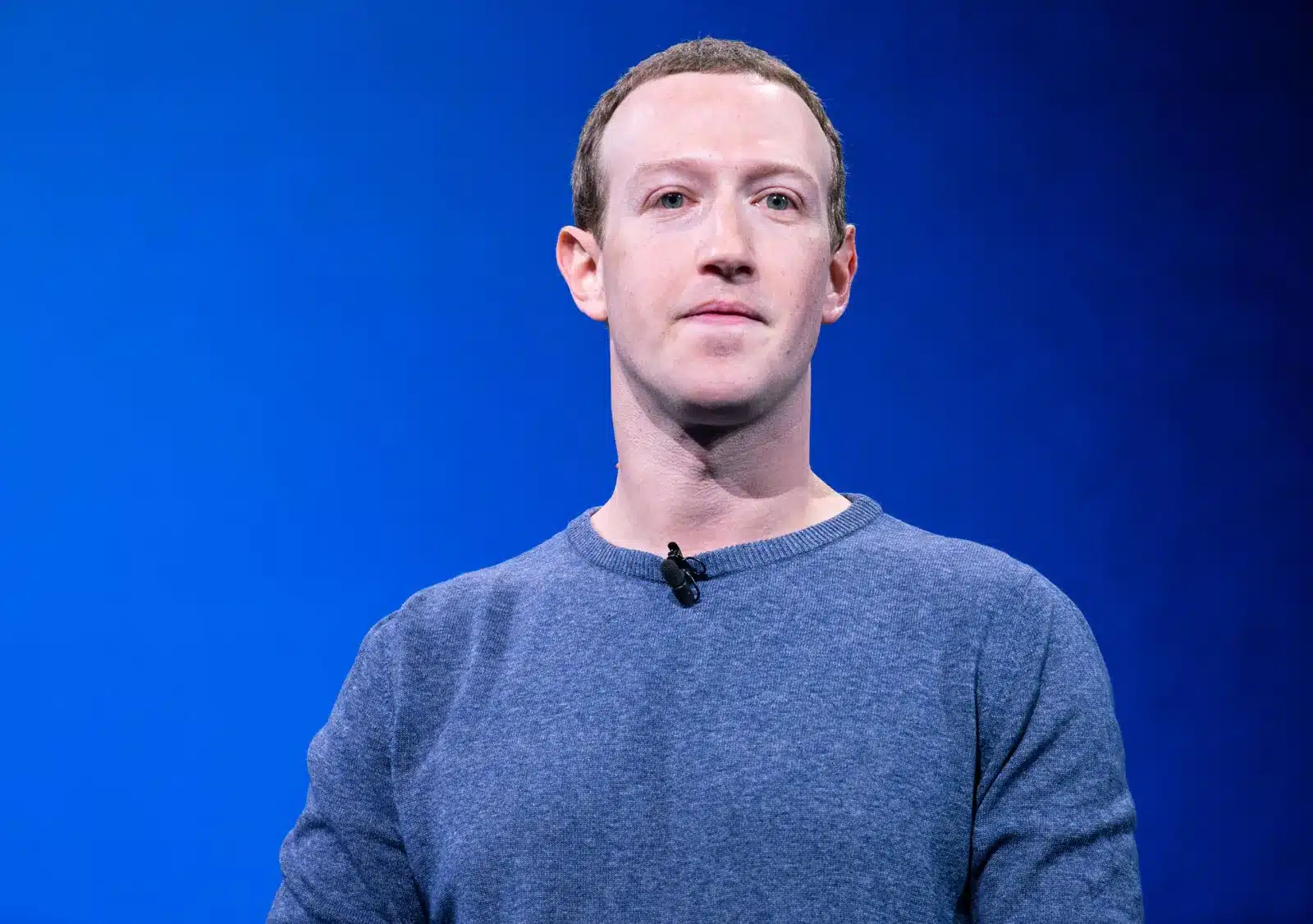
Mark Zuckerberg, the co-founder of Facebook and a prominent figure in the tech industry, had a formative upbringing that set the stage for his future successes. Born on May 14, 1984, in White Plains, New York, he was raised in a family that encouraged intellectual curiosity and creativity. His father, Edward Zuckerberg, was a dentist and his mother, Karen, was a psychiatrist.
This nurturing environment fostered his early interests in technology and programming.From a young age, Zuckerberg demonstrated a keen aptitude for computers. He began programming at the age of 12, creating a messaging program called “ZuckNet” that allowed computers in his father’s dental office to communicate with each other. This early exposure to technology was pivotal, and it laid the groundwork for his later ventures in the digital world.
His childhood was characterized by a passion for computer science and a desire to innovate, which were further amplified by his experiences in school and with family.
Time at Harvard University and Development of Facebook, Mark Zuckerberg net worth
Zuckerberg attended Harvard University in 2002, where he initially studied psychology and later switched to computer science. His time at Harvard was marked by a combination of academic rigor and entrepreneurial spirit. In 2004, while still a sophomore, he launched “TheFacebook,” a social networking site designed for Harvard students. This platform quickly gained popularity and expanded to other Ivy League universities before becoming available to the general public.The development of Facebook was not merely a technical achievement; it was a reflection of Zuckerberg’s vision of connecting people.
Driven by the idea of creating a platform for social interaction, he sought to facilitate communication and community-building among users. As Facebook grew, it attracted investments and expanded its features, eventually becoming the largest social networking site in the world. Zuckerberg’s ambition and understanding of user needs played a crucial role in the platform’s evolution and success, making it a cornerstone of modern social media.
The Creation and Growth of Facebook Analyze the journey of Facebook from its inception to becoming a global powerhouse.

The journey of Facebook is a remarkable tale of innovation, ambition, and strategic foresight. Born out of a college dorm room, Facebook has transformed from a simple social networking site into a ubiquitous platform that connects billions of people worldwide. This evolution reflects not only technological advancements but also changing social behaviors and market dynamics.The initial concept behind Facebook was to create a digital space for Harvard students to connect and share information.
Launched in 2004 by Mark Zuckerberg along with his college roommates, the platform quickly gained traction within the university. As word spread, Zuckerberg expanded access beyond Harvard, leading to a significant user influx. This strategic move capitalized on the exclusivity of the initial rollout, creating a buzz that fueled demand and curiosity.
Strategies for Growth and Market Domination
The rapid growth of Facebook can be attributed to several key strategies that effectively positioned it as a leader in the social media landscape. These strategies included targeted expansion, innovative features, and strategic acquisitions.One of the core strategies was the deliberate expansion of the platform. Initially available only to Harvard students, the decision to open Facebook to other Ivy League schools and eventually to all universities in the U.S.
and Canada proved crucial. This gradual rollout fostered a sense of exclusivity and engagement, making users feel part of a select community. Additionally, Facebook continually introduced features that enhanced user experience and engagement. For instance, the introduction of the News Feed in 2006 revolutionized how users interacted with content on the platform. This feature allowed users to see updates from friends and pages they followed in real-time, increasing daily engagement metrics significantly.
Moreover, Facebook’s commitment to mobile optimization allowed it to adapt to changing user habits, as smartphones became ubiquitous. The launch of the mobile app in 2011 further solidified its presence, ensuring users could connect anytime and anywhere. Another pivotal aspect of Facebook’s growth was its strategic acquisitions. The purchase of Instagram in 2012 for approximately $1 billion showcased Zuckerberg’s foresight in recognizing the potential of photo-sharing and mobile-first platforms.
Similarly, the acquisition of WhatsApp in 2014 for $19 billion expanded Facebook’s reach into instant messaging, further entrenching its ecosystem.
“In the world of technology, innovation is key. Facebook has consistently evolved to meet the needs of its users, solidifying its position as a global powerhouse.”
The combination of these strategic initiatives, along with a focus on user engagement and innovation, propelled Facebook to its status as a dominant force in the global social media landscape. With over 2.8 billion monthly active users, its influence is undeniable, shaping how individuals communicate, share, and interact online.
Financial Milestones in Zuckerberg’s Career Identify the significant financial achievements that have influenced Mark Zuckerberg’s net worth.
Mark Zuckerberg’s financial trajectory is marked by several pivotal milestones that significantly contributed to his net worth. These achievements include key funding rounds, notable acquisitions, and the monumental public offering of Facebook, each playing a crucial role in shaping his financial landscape. By tracing these milestones, we can better understand how Zuckerberg’s strategic decisions have propelled his wealth to extraordinary levels.Zuckerberg’s financial journey can be encapsulated in a series of events that reflect his entrepreneurial vision and business acumen.
Each milestone not only elevated Facebook’s market position but also had profound implications for Zuckerberg’s personal fortune. The following timeline highlights essential financial achievements throughout his career and their impact on his net worth.
Key Funding Rounds and Public Offerings
Significant funding rounds and the public offering of Facebook were instrumental in enhancing Zuckerberg’s wealth. Here are the key events:
- 2004: Initial Seed Funding
-Shortly after Facebook’s launch, Zuckerberg secured $500,000 from Peter Thiel, co-founder of PayPal. This initial round set the stage for growth and expansion. - 2006: Series A Funding
-Facebook raised $12.7 million in a Series A financing round. This influx of capital allowed for increased product development and user expansion. - 2011: Valuation Exceeds $100 Billion
-Following a successful financing round, Facebook’s valuation surpassed $100 billion, substantially increasing Zuckerberg’s net worth. - 2012: IPO Launch
-Facebook went public with an initial public offering at $38 per share, raising $16 billion. This was a watershed moment, catapulting Zuckerberg’s net worth to over $19 billion.
Strategic Acquisitions
Acquisitions have played a pivotal role in Facebook’s growth and subsequently in Zuckerberg’s financial success. These strategic moves have allowed Facebook to expand its services and user base significantly.
- 2012: Acquisition of Instagram
-For approximately $1 billion, Facebook acquired Instagram, a photo-sharing app that bolstered its social media dominance and attracted a younger audience. - 2014: Purchase of WhatsApp
-Facebook acquired the messaging service WhatsApp for $19 billion, further solidifying its presence in the communication sector and expanding its user base to over two billion users. - 2014: Oculus VR Acquisition
-The $2 billion acquisition of Oculus VR positioned Facebook as a leader in the virtual reality space, indicating Zuckerberg’s foresight about the future of social interaction.
Impact of Financial Milestones on Zuckerberg’s Net Worth
The financial milestones achieved by Zuckerberg have had a profound impact on his personal wealth. Each funding round and acquisition not only increased Facebook’s valuation but also enhanced Zuckerberg’s holdings in the company.
“Every strategic decision made by Zuckerberg, from funding to acquisitions, has been a stepping stone towards his massive net worth.”
Overall, these financial achievements reflect not only Zuckerberg’s ability to innovate and capitalize on emerging trends but also his strategic foresight in positioning Facebook as a dominant player in the tech industry.
The Factors Influencing Zuckerberg’s Net Worth
Mark Zuckerberg’s net worth is a dynamic figure that reflects not only his personal financial decisions but also the broader economic and market conditions surrounding his business ventures. As the co-founder and CEO of Facebook, now known as Meta Platforms, Inc., his wealth is intricately tied to the performance of the company’s stock, investment decisions, and the prevailing economic climate.
Understanding the various elements that contribute to the fluctuations in his net worth provides valuable insight into the interplay between technology, finance, and market forces.Several key factors play a significant role in determining the value of Zuckerberg’s holdings. The performance of Meta’s stock is a primary driver, as fluctuations in share price can lead to substantial changes in his overall wealth.
Additionally, strategic investments made by Zuckerberg, both within and outside of Meta, can influence his financial standing. Moreover, broader economic conditions, including market trends and regulatory changes, can have profound effects on his net worth.
Impact of Stock Market Performance
The stock market plays a crucial role in influencing Zuckerberg’s net worth. As the majority of his wealth is tied to Meta’s stock, fluctuations in the stock price directly impact his financial standing. Various factors can lead to changes in Meta’s market value, including earnings reports, user growth statistics, and shifts in advertising revenue.For instance, a strong quarterly earnings report can lead to a surge in Meta’s stock price, significantly boosting Zuckerberg’s net worth.
Conversely, adverse news, such as data privacy scandals or declining user engagement, can result in a substantial drop in stock price, negatively affecting his wealth.
The performance of Meta’s stock is a primary driver of Zuckerberg’s net worth, with fluctuations leading to significant changes in his wealth.
Influence of Investments
Zuckerberg’s investment decisions also contribute to the overall fluctuation of his net worth. Beyond Meta, Zuckerberg has diversified his investments across various sectors, including technology, healthcare, and education. This diversification can act as a buffer against the volatility of Meta’s stock price.For example, investments in innovative startups or venture capital funds can yield high returns, further enhancing his financial portfolio.
However, poor investment choices or significant losses in these areas can detract from his net worth, showcasing the risks associated with investment strategies.
Economic Conditions and Regulatory Environment
The broader economic landscape and regulatory environment are additional factors that influence Zuckerberg’s financial status. Economic downturns can impact advertising budgets for companies, which in turn affects Meta’s revenue. For instance, during the COVID-19 pandemic, many businesses reduced their advertising spend, leading to temporary declines in Meta’s stock price. Additionally, regulatory scrutiny over data privacy and antitrust issues can create uncertainty for investors.
Changes in regulations can lead to operational challenges for Meta, potentially affecting Zuckerberg’s net worth. For example, increased regulations in the European Union regarding data protection have posed challenges for Meta, reflecting the delicate balance between innovation and compliance.
The broader economic landscape and regulatory environment significantly affect Zuckerberg’s net worth, influencing Meta’s operational capabilities and market performance.
Philanthropic Endeavors of Mark Zuckerberg Explore the charitable initiatives and organizations that Mark Zuckerberg supports.: Mark Zuckerberg Net Worth
Mark Zuckerberg, co-founder of Facebook, has made significant strides beyond the tech industry, particularly in philanthropy. His charitable initiatives reflect a commitment to improving the world and addressing pressing social issues. Through substantial financial contributions and the establishment of dedicated organizations, Zuckerberg aims to create a lasting positive impact on society.One of the most notable philanthropic efforts led by Zuckerberg is the Chan Zuckerberg Initiative (CZI), founded in December 2015 alongside his wife, Priscilla Chan.
The initiative was established with the ambitious goal of advancing human potential and promoting equal opportunity. CZI focuses on several key areas, including education, science, and social justice.
Chan Zuckerberg Initiative Goals and Impact
The Chan Zuckerberg Initiative seeks to harness technology and community-driven solutions to enhance educational opportunities and support scientific research. The following points highlight the primary areas of focus for the initiative:
- Education: The CZI invests in personalized learning programs and resources aimed at improving educational outcomes for students, particularly in underserved communities. This includes funding innovative educational technology and supporting schools that prioritize individualized learning approaches.
- Science: CZI funds scientific research projects and collaborates with various organizations to advance health and medicine. Their focus includes addressing diseases and health disparities through funding for biomedical research initiatives.
- Social Justice: The initiative advocates for policies aimed at advancing equality and social justice across various sectors. This includes funding efforts to reform criminal justice systems and support community organizations that fight for equity and inclusion.
Zuckerberg’s philanthropic efforts play a dual role in shaping his net worth and public perception. His commitment to giving back not only reflects a personal ethos but also strategically positions him favorably in the public eye. By aligning his wealth with meaningful causes, Zuckerberg enhances his brand as a socially responsible leader, thereby potentially increasing the value of his public persona and the trust people place in him and his ventures.
“We are not just building a business; we are building a community that can help create a better future for everyone.”
These initiatives exemplify how philanthropy can intertwine with an individual’s financial narrative, influencing both their personal legacy and their overall societal impact. As Zuckerberg continues to invest in transformative projects through the Chan Zuckerberg Initiative, he stands at the forefront of a new wave of philanthropy that reflects an integrated approach to business and social responsibility.
Comparisons with Other Tech Billionaires
Mark Zuckerberg’s net worth, a key indicator of his influence in the tech industry, often invites comparisons with other influential figures in the sector. Notably, the financial standings of tech giants like Elon Musk and Jeff Bezos provide insightful benchmarks for assessing Zuckerberg’s wealth within the broader context of the technology market’s dynamics.As of recent evaluations, Zuckerberg’s net worth has fluctuated significantly, reflecting the volatile nature of the tech industry.
Comparatively, Elon Musk, the CEO of Tesla and SpaceX, has consistently held the title of the richest person in the world, with his net worth often soaring above $200 billion, driven largely by the rapid growth of Tesla stock. Jeff Bezos, founder of Amazon, ranks closely behind Musk, with a net worth that typically hovers around $150 billion, influenced by Amazon’s vast e-commerce and cloud computing dominance.
Financial Standings of Key Competitors
Understanding the financial standings of Musk and Bezos in relation to Zuckerberg offers a glimpse into the competitive landscape of tech billionaires. The following details illustrate their respective net worths and the factors driving their financial success:
- Elon Musk:
Current net worth is approximately $240 billion. His wealth is primarily sourced from Tesla’s stock performance, along with ventures in space exploration and renewable energy. - Jeff Bezos:
Estimated net worth stands at around $165 billion. His fortune is bolstered by Amazon’s continued growth in e-commerce and Amazon Web Services (AWS), which dominates cloud computing. - Mark Zuckerberg:
His net worth fluctuates around $120 billion, largely concentrated in Meta Platforms, Inc. (formerly Facebook), which has faced scrutiny over privacy issues and competition in social media but remains a vital player in digital advertising.
These comparisons not only reflect individual success but also highlight broader trends in the tech market. The rise of electric vehicles has propelled Musk’s wealth, while Bezos benefits from the expanding online retail landscape. Zuckerberg’s fortune, however, is indicative of the challenges faced by social media companies in an increasingly regulated environment.
“The financial trajectories of these tech leaders mirror the shifting sands of consumer technology and investor sentiments.”
The financial standings of Mark Zuckerberg, Elon Musk, and Jeff Bezos serve as a barometer for the health and direction of the tech industry, emphasizing the dynamic interplay between innovation, market perception, and regulatory landscapes.
The Future Outlook for Zuckerberg’s Wealth Speculate on the potential trajectory of Mark Zuckerberg’s net worth in the coming years.
Mark Zuckerberg’s financial journey has been nothing short of remarkable, and as the tech landscape evolves, so does the potential trajectory of his net worth. With the ongoing developments in technology and shifts in consumer behavior, there are several factors that could influence his wealth in the near future. Zuckerberg has consistently shown adaptability in the rapidly changing tech environment, and his current focus on the metaverse and artificial intelligence is likely to play a significant role in shaping his financial destiny.
As Facebook transitions to Meta and expands its reach into virtual realities, there are several upcoming projects that warrant attention.
Impacts of Upcoming Projects and Innovations
The strategic direction of Meta Platforms Inc. is poised to impact Zuckerberg’s wealth significantly. The following key projects and innovations are likely to influence his financial standing:
- Metaverse Development: Meta’s commitment to building the metaverse could open new revenue streams through virtual real estate, digital assets, and immersive advertising experiences.
- AI Integration: The integration of artificial intelligence into Meta’s platforms is expected to enhance user engagement and advertising effectiveness, potentially driving substantial revenue growth.
- Expansion in E-commerce: Leveraging Facebook and Instagram for e-commerce will likely increase transaction volumes, further contributing to Zuckerberg’s net worth.
- Augmented Reality (AR) Innovations: Continued advancements in AR tech can lead to enhanced user experiences and create lucrative opportunities in advertising and brand partnerships.
The implications of these projects not only point to potential revenue but also to how Zuckerberg navigates public perception and user trust in these innovations.
“The future of wealth in tech lies in innovation and adaptability to market demands.”
As Zuckerberg embarks on these ambitious initiatives, personal choices around leadership and transparency will also play a crucial role in shaping his reputation and wealth. Maintaining public trust through ethical practices and user privacy will be vital, particularly as scrutiny over data practices increases.Through careful strategic planning and innovation, Mark Zuckerberg’s financial future remains promising, although subject to the fluctuations of the tech industry and public sentiment.
With the right choices, his net worth could not only stabilize but potentially grow significantly over the coming years.
Influences of Social Media Trends on Wealth Discuss how evolving social media trends can impact Mark Zuckerberg’s net worth.
The landscape of social media is ever-evolving, and its trends significantly influence the wealth of major players in the industry, including Mark Zuckerberg. As the co-founder of Facebook, Zuckerberg’s net worth is closely tied to the platform’s performance, which is affected by the shifting behaviors and preferences of users across various social platforms. Understanding these trends provides insights into how they can shape financial outcomes for Zuckerberg and his businesses.Social media trends dictate user engagement and advertising strategies, which are crucial for Facebook’s business model.
For instance, the rise of short-form video content has altered how brands advertise on social media. Platforms like TikTok have capitalized on this trend, prompting Facebook to enhance its video functionalities to retain users and attract advertisers. Additionally, the emphasis on data privacy has further transformed user engagement and advertising metrics, impacting revenue streams. Mark Zuckerberg’s net worth is ultimately influenced by these trends, as they determine the financial viability and growth prospects of his company.
Current Trends in Social Media
Several contemporary trends in social media directly correlate with Facebook’s business model and, consequently, Mark Zuckerberg’s financial standing. Below is a summary of these trends and their implications:
- Short-Form Video Content: Platforms like TikTok have popularized bite-sized videos, pushing Facebook to introduce features such as Reels to compete for user attention.
- Increased Focus on Privacy: The growing demand for user privacy has made data-driven advertising more challenging, requiring Facebook to adapt its approach to maintain advertiser trust.
- Social Commerce: The trend of shopping directly through social media platforms has gained momentum, prompting Facebook to enhance its shopping features to capitalize on this shift.
- Influencer Marketing: Brands are increasingly investing in influencer partnerships, leading Facebook to create tools that facilitate collaborations between creators and brands.
The correlation between social media usage and the financial success of tech firms can be illustrated by analyzing specific metrics. Below is a table displaying this correlation, showing how user engagement trends translate into financial performance.
| Social Media Trend | User Engagement Metric | Financial Impact on Tech Firms |
|---|---|---|
| Short-Form Video | Increased Views and Shares | Boost in Ad Revenues by 20% |
| Privacy Concerns | Decline in User Trust | 10% Drop in Ad Spend |
| Social Commerce | Monthly Active Users Engaged in Shopping | 30% Increase in Revenue from E-commerce Features |
| Influencer Marketing | Brand Collaborations | 15% Increase in Brand ROI |
As social media trends evolve, so too does the financial landscape for tech firms, impacting Mark Zuckerberg’s net worth directly.
Concluding Remarks
In conclusion, the story of Mark Zuckerberg net worth is a captivating reflection of his evolution as a tech visionary and philanthropist. As we consider the future, it’s evident that his wealth is tethered to both his innovative spirit and the changing tides of the tech industry. As new challenges and opportunities arise, Zuckerberg’s journey will continue to be a fascinating narrative, illustrating the profound impact of technology on personal wealth and society at large.
Helpful Answers
What is the current estimated net worth of Mark Zuckerberg?
As of October 2023, Mark Zuckerberg’s net worth is estimated to be around $120 billion, fluctuating with market conditions.
How has Zuckerberg’s net worth changed over the years?
Zuckerberg’s net worth has seen significant fluctuations, particularly influenced by Facebook’s stock performance and major market events.
What role does Facebook play in Zuckerberg’s wealth?
Facebook is the primary source of Zuckerberg’s wealth, accounting for the majority of his financial success through its growth and profitability.
Does Mark Zuckerberg invest in other companies?
Yes, beyond Facebook, Zuckerberg has made investments in various tech companies and startups, further diversifying his wealth.
How does Zuckerberg’s philanthropy affect his net worth?
While his philanthropic efforts, like the Chan Zuckerberg Initiative, may reduce his wealth temporarily, they often enhance his public image and legacy.