
As Leonardo Da Vinci Net worth today takes center stage, this opening passage beckons readers into a world where art and science intersect, revealing how the genius of the Renaissance amassed wealth that echoes through history. The fascinating life of Da Vinci not only showcases his extraordinary contributions to art and science but also highlights the economic landscape of the Renaissance that played a pivotal role in shaping his fortune.
Exploring the sources of his income, from lucrative commissions to the support of powerful patrons, we gain insight into how his multifaceted talents and innovative spirit propelled him into the annals of wealth and influence. By examining his artistic achievements alongside his scientific inquiries, we can better understand the lasting impact of his legacy on the contemporary valuation of his work and influence.
The Historical Context of Leonardo Da Vinci’s Wealth

During the Renaissance, a period of cultural rebirth and economic transformation in Europe, the landscape of wealth and patronage underwent significant changes. This era, spanning roughly from the 14th to the 17th century, was marked by advancements in art, science, and humanism, creating an environment where individuals like Leonardo Da Vinci could flourish financially. The intricate dynamics of patronage, alongside the burgeoning economic conditions, played a pivotal role in shaping Da Vinci’s financial status.Leonardo’s wealth was primarily influenced by the economic conditions of the Renaissance, which fostered a climate ripe for artistic and intellectual achievements.
The rise of merchant class families and the increasing importance of cities such as Florence and Milan facilitated the flow of wealth. Artistic endeavors were often funded by wealthy patrons who sought to display their power and influence through art. Da Vinci’s varied sources of income included commissions for paintings, sculptures, and architectural projects, alongside earnings from his inventions and scientific inquiries.
His exceptional skills and reputation earned him lucrative contracts from influential patrons.
Sources of Leonardo’s Income
Understanding the sources of Leonardo’s income provides insight into how he managed to acquire wealth during his lifetime. The following key avenues contributed to his financial success:
- Commissions from Nobility and Wealthy Patrons: Da Vinci received numerous commissions for paintings, the most notable being “The Last Supper” for Duke Ludovico Sforza of Milan and the “Mona Lisa,” commissioned by Francesco del Giocondo.
- Consultations and Innovations: His expertise in various fields led him to consult for nobility on engineering and architectural projects, earning additional income through innovative designs and inventions.
- Royal Patronage: Leonardo spent significant time in the service of the King of France, Francis I, who provided him with a comfortable estate and a steady income, allowing him to live in relative luxury.
The significance of patronage cannot be overstated in Da Vinci’s life. Wealthy patrons were not just financial supporters; they were instrumental in shaping the artistic direction and opportunities available to artists. Da Vinci’s relationships with figures such as the Medici family and Duke Sforza underscored how critical these connections were in facilitating his projects and enhancing his status.
“Art is never finished, only abandoned.”
Leonardo Da Vinci
The Artistic and Scientific Contributions of Leonardo Da Vinci
Leonardo Da Vinci stands as a monumental figure in both art and science, leaving a legacy that continues to influence various fields today. His unparalleled mastery in painting, sculpture, and drawing, along with groundbreaking scientific inventions, not only enriched human culture but also significantly impacted his financial standing during his lifetime. The synergy of his artistic flair and scientific inquiry allowed him to diversify his income streams, setting a precedent for the modern-day multidisciplinary approach.
Impact of Art on Financial Standing
Leonardo’s artwork was not only a testament to his genius but also a substantial source of income. His masterpieces, such as the “Mona Lisa” and “The Last Supper,” commanded high prices and attracted patrons from across Europe. The allure of his art was coupled with his reputation, which grew as he garnered commissions from influential figures, including Duke Ludovico Sforza of Milan and Pope Leo X.
The economic implications of his artistry are evident in the following points:
- High-value commissions: Leonardo’s talent allowed him to charge premium prices for his works, leading to significant financial gain.
- Patronage: His relationships with wealthy patrons ensured a steady income and further elevated his status as a leading artist of the Renaissance.
- Merchandising potential: Some of his works inspired prints and reproductions, providing additional revenue streams beyond original sales.
Scientific Inventions and Their Contributions
Leonardo’s scientific pursuits were as transformative as his artistic endeavors. His inventions and explorations in anatomy, engineering, and mechanics showcased a keen understanding of both the natural world and human innovation. His notebooks are filled with sketches and designs for machines that were centuries ahead of their time, laying foundational concepts for various modern technologies.Key contributions include:
- Flying machines: Designs for aircraft and helicopters illustrate his fascination with flight, inspiring future aviation pioneers.
- Anatomical studies: His detailed studies of the human body not only enhanced medical knowledge but also informed his artistic techniques.
- Engineering marvels: Leonardo’s studies in hydraulics and mechanics contributed to advancements in engineering, influencing infrastructure development.
Multidisciplinary Approach and Diverse Revenue Streams
Leonardo’s ability to weave art and science created innovative pathways for income. His holistic approach to learning allowed him to engage in various ventures, from painting and sculpture to invention and writing. By integrating these disciplines, he opened up multiple avenues for earning, which significantly enhanced his financial security.Consider the following aspects of his multidisciplinary approach:
- Cross-disciplinary skills: His expertise in art informed his scientific investigations, leading to unique inventions that captivated patrons.
- Educational contributions: His teachings and writings attracted students and scholars, creating an additional revenue source while solidifying his reputation.
- Collaborative projects: Engaging in collaborations with other artists and scientists created synergistic opportunities for financial gain.
Estimating Leonardo Da Vinci’s Net Worth in Today’s Currency
While estimates of historical figures’ wealth can often feel like educated guesses, understanding Leonardo Da Vinci’s financial standing during the Renaissance provides fascinating insights. Da Vinci’s multifaceted career as an artist, scientist, and inventor contributes to the complexity of converting his wealth into modern equivalents, reflecting not only the economic conditions of his time but also the value of his contributions to art and science.To estimate Da Vinci’s net worth in today’s currency, one can utilize a framework that examines various historical economic factors.
These include the rate of inflation, purchasing power parity, and the relative value of goods and services across different time periods. The wealth of individuals during the Renaissance can often be assessed in terms of their income from commissions, sales of art, and patronage, which can be converted into current economic figures using historical data.
Challenges in Estimating Historical Wealth
Estimating Da Vinci’s wealth today involves several complications:
1. Inflation Rates
The inflation rate has drastically changed over centuries, complicating the direct conversion of historical currency to today’s money.
2. Economic Context
The Renaissance economy was vastly different from the modern economy. The value of goods and services was not only based on currency but also on social status and patronage.
3. Artistic Value
The worth of artwork has increased over time, with pieces like the “Mona Lisa” valued at hundreds of millions today, reflecting not only inflation but also the growing appreciation for art.
4. Lack of Comprehensive Records
Historical records of income and wealth are often incomplete. Many transactions, especially in creative professions, were informal or undocumented.
5. Comparative Wealth
We can evaluate Leonardo’s wealth against other Renaissance figures, like Michelangelo or Raphael, whose earnings and commissions have been documented more thoroughly.In comparing Leonardo Da Vinci’s estimated wealth with other prominent figures, the following points are noteworthy:
Michelangelo
He was a contemporary of Da Vinci and earned substantial sums from commissions, including the Sistine Chapel. His total wealth is often estimated to be around $50 million in today’s currency.
Raphael
Known for his beautiful frescoes, Raphael’s net worth is similarly estimated at about $20 million today, showcasing the varying financial success depending on patronage and commissions.
Titian
As one of the wealthiest painters of the time, his net worth is estimated at around $30 million today, highlighting the competitive nature of artistic financial success during the Renaissance.
“Estimations of historical wealth must consider inflation, economic context, and the intrinsic value of art beyond mere currency.”
These comparisons provide context and help illustrate the relative financial success of Da Vinci within the artistic community of his time, emphasizing the varying dynamics of wealth in the context of art and culture during the Renaissance.
The Role of Leonardo Da Vinci’s Art in the Current Market
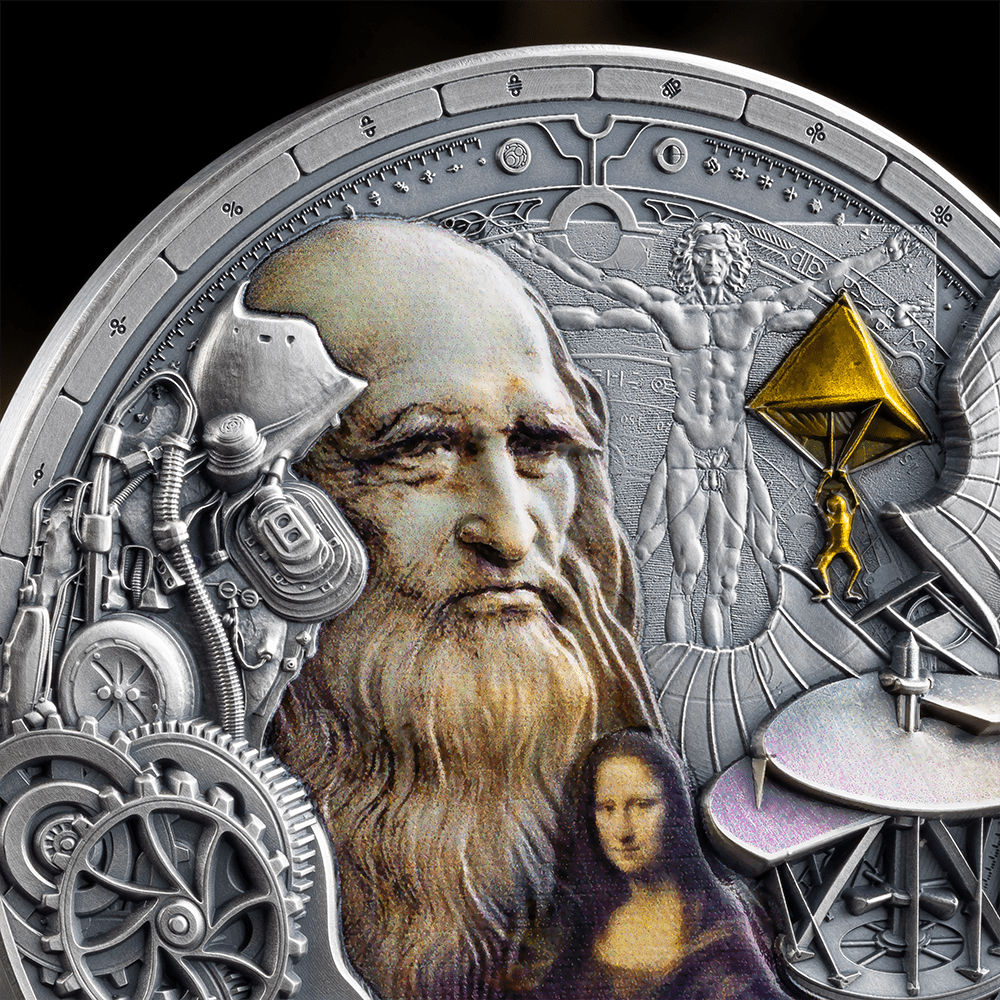
Leonardo Da Vinci’s art holds a unique place in the current market, characterized by its historical significance and continued relevance. As an iconic figure of the Renaissance, Da Vinci’s works have not only shaped art history but also become instrumental in understanding the dynamics of art valuation today. The enduring appeal of Renaissance art, alongside its rarity, has led to a remarkable appreciation in value over time, particularly for Da Vinci’s masterpieces.The appreciation of Renaissance art can be attributed to several factors, including its cultural importance, scholarly interest, and the limited number of works produced by artists like Da Vinci.
His paintings, often regarded as national treasures, have become highly sought after by collectors and institutions alike. This demand has significant implications for Da Vinci’s works, as evidenced by the auction records that continue to set new benchmarks for art valuation.
Auction Records and Market Perception
Auction records play a pivotal role in shaping perceptions of Leonardo Da Vinci’s net worth, highlighting the financial aspects of art ownership. The most notable sales of his works reflect an upward trend in their market value, often influenced by the prestige associated with owning a Da Vinci piece. These transactions not only serve as benchmarks for collectors but also elevate the public’s perception of the artist’s worth within the art community.Significant auction results include:
| Artwork | Price (in millions USD) | Year Sold |
|---|---|---|
| Salvator Mundi | 450.3 | 2017 |
| La Belle Ferronnière | 50.0 | 2019 |
| The Virgin of the Rocks | 30.0 | 2019 |
| Portrait of a Musician | 28.0 | 2021 |
The staggering sale of “Salvator Mundi” for over $450 million underscores the extreme market interest in Da Vinci’s work. This sale not only shattered previous records but also solidified Da Vinci’s position as one of the most valuable artists in history. Such figures reflect the increasing confidence investors have in art as a stable asset class, further influencing the valuation of Da Vinci’s pieces.
The implications of these auction results highlight a broader trend in the art market, where the confluence of wealth accumulation and cultural appreciation continually elevates the status of masterpieces like those of Leonardo Da Vinci. As the market evolves, the financial landscape surrounding his art remains robust, ensuring that his legacy will endure and flourish for generations to come.
Modern-Day References to Leonardo Da Vinci’s Wealth
Leonardo Da Vinci, often hailed as the epitome of a “Renaissance man,” continues to inspire contemporary discussions around wealth and genius. His multifaceted talents and innovative approaches have made him a symbol of success that transcends time. As we explore modern references to his wealth, it becomes clear that his financial legacy remains significant in today’s society, influencing various fields from art to business.
Contemporary Figures and Their References
Numerous contemporary figures invoke Leonardo Da Vinci’s name when discussing wealth and intellect. These individuals often draw parallels between the polymath’s innovative spirit and their pursuits in business and creativity. For instance, tech entrepreneurs like Elon Musk and Steve Jobs have been known to admire Da Vinci’s genius. Musk has often highlighted the importance of interdisciplinary knowledge, much like Da Vinci’s approach to understanding the world.
Jobs, during his creative era at Apple, frequently referenced Da Vinci as a model for pursuing excellence and innovation, emphasizing that true vision requires a combination of art and science.
Popular Culture’s Portrayal of Da Vinci’s Financial Legacy
In popular culture, Leonardo Da Vinci’s financial legacy is depicted as both aspirational and cautionary. Films, books, and television shows often showcase his wealth as a byproduct of his genius and creativity, yet they also delve into the complexities of his financial dealings. The portrayal of his life often emphasizes that despite being a brilliant artist and inventor, Da Vinci struggled with financial management, which serves as a reminder that creativity does not always equate to financial success.
For example, in the series “Da Vinci’s Demons,” viewers see dramatized interpretations of his life, which highlight both his genius and the financial pitfalls he encountered.
Modern Businesses Inspired by Leonardo’s Persona
The impact of Leonardo Da Vinci extends into the commercial world, with many modern brands drawing inspiration from his remarkable persona. These businesses often embody the principles of innovation, quality, and creativity that Da Vinci represented. Here are a few examples:
- Da Vinci Systems: This tech company specializes in innovative solutions for the aerospace sector, reflecting Da Vinci’s fascination with flight and engineering. Their financial success is marked by significant contracts with major aerospace firms, showcasing how Da Vinci’s legacy continues to inspire cutting-edge technology.
- Leonardo Art: This luxury art supply brand markets high-quality materials for artists, celebrating the meticulous nature of Da Vinci’s work. Their products have gained a loyal customer base, resulting in significant growth and profitability.
- Da Vinci Gourmet: A successful brand of gourmet syrups and sauces that connect culinary art with the craftsmanship of Da Vinci. Their strong market presence illustrates how Da Vinci’s name can add considerable value to a brand.
In these instances, the enduring legacy of Leonardo Da Vinci not only inspires creativity but also contributes to the financial success of modern enterprises, demonstrating the timeless relevance of his genius in today’s economy.
The Influence of Leonardo Da Vinci on Wealth and Success Philosophy
Leonardo Da Vinci’s multifaceted genius has left a profound impact on various aspects of modern life, including the concepts of wealth and success. His life philosophy, work ethic, and innovative spirit can be seen as foundational elements that inform today’s understanding of personal and financial achievement. By examining his principles and practices, we can gain insights into how his legacy continues to influence entrepreneurs and thinkers in the contemporary world.Leonardo’s approach to life was characterized by relentless curiosity and a commitment to excellence.
He believed that knowledge was the key to unlocking potential, both personally and financially. This perspective aligns with modern philosophies that stress the importance of continuous learning and adaptation as critical components of success. In today’s fast-paced environment, entrepreneurs are encouraged to embrace a mindset similar to Da Vinci’s—one that values experimentation and innovative thinking over conventional wisdom.
Work Ethic and Innovation in Contemporary Entrepreneurship
Leonardo Da Vinci’s work ethic was marked by an unwavering dedication to his craft, showcasing discipline and perseverance. His ability to integrate art and science through meticulous observation and experimentation is a trait that modern entrepreneurs strive to emulate. Here are some key elements of his work ethic and innovation that resonate with today’s business leaders:
- Interdisciplinary Approach: Leonardo’s ability to draw knowledge from multiple fields—art, anatomy, engineering—demonstrates the importance of interdisciplinary learning. Today’s entrepreneurs are often required to blend expertise across various domains to create innovative products and solutions.
- Persistence in the Face of Failure: Da Vinci famously left many projects unfinished, yet he did not let these setbacks deter him. This persistence is a valuable lesson for modern business leaders who frequently encounter failures on the path to success.
- Creativity and Problem Solving: Leonardo’s innovations, such as designs for flying machines and military weapons, reveal a deep capacity for creative problem-solving. Today’s entrepreneurs harness this spirit to tackle complex challenges by thinking outside the box.
The philosophy behind Leonardo’s financial decisions also offers valuable lessons. He often displayed a preference for pursuing passion projects rather than merely seeking wealth. His choice to invest time and resources into his interests emphasizes the importance of aligning one’s work with personal values—a notion that resonates with the modern idea of finding purpose in one’s career.
“Learning never exhausts the mind.” – Leonardo Da Vinci
This perspective highlights that true wealth is not solely measured in monetary terms but also in the richness of knowledge and experiences. Da Vinci’s lifestyle choices reflected a commitment to personal growth, which continues to inspire individuals seeking to achieve a balanced and fulfilling life in both personal and financial realms. His legacy serves as a guiding light for those aspiring to make a meaningful impact through their work while pursuing genuine success.
The Legacy of Leonardo Da Vinci’s Wealth
Leonardo Da Vinci’s wealth transcends mere numerical values; it offers a fascinating glimpse into the cultural and social dynamics of his time. As one of the most celebrated polymaths in history, his financial status not only reflects his genius but also reveals the complexities of wealth in the Renaissance era. This legacy continues to shape conversations about art, culture, and the value of creativity in contemporary society.Throughout different historical lenses, Da Vinci’s wealth has been interpreted variously as a symbol of his success and a reflection of the patronage system of the time.
While he achieved considerable financial success through his commissions and inventions, his relationship with patrons like the Medici family and Ludovico Sforza illustrates the often precarious nature of artistic wealth. His ability to navigate these relationships speaks to his status not only as an artist but also as a businessman who understood the economic realities of his era.
Financial Status in Art and Culture Discussions
Da Vinci’s financial status has remained relevant in ongoing discussions about the intersection of wealth, art, and culture. His ability to accumulate wealth through his artistic endeavors has inspired countless debates about the valuation of art and the potential for artists to attain financial success. The tension between artistic integrity and commercial viability is still a hot topic, echoed in contemporary discussions about artists’ rights, fair compensation, and the commodification of creativity.The legacy of Da Vinci’s wealth is also reflected in the valuation of his works today, which can fetch astronomical prices at auctions.
High-profile sales of his art, such as the 2017 auction of Salvator Mundi for $450 million, demonstrate the enduring market demand for his genius and the cultural capital associated with his name. This phenomenon continues to influence how new artists view their potential for financial success in the art world.
“Leonardo’s impact on wealth and artistry is evident in the way we perceive value in creativity; he made us realize that art could be both a passion and a profitable venture.”
Through analysis of his life and legacy, it’s clear that Leonardo Da Vinci’s financial journey offers profound insights into the nature of wealth in the realm of art and beyond. His legacy serves as a benchmark for understanding the evolving relationship between creativity and financial success.
Summary
In conclusion, Leonardo Da Vinci’s wealth transcends mere monetary value; it embodies the spirit of Renaissance innovation and creativity that continues to inspire. As we reflect on his net worth today, we recognize that his contributions to art, science, and philosophy are invaluable treasures that enrich our understanding of success and legacy in our modern world. Da Vinci’s life and work remind us that true wealth lies not only in financial gain but also in the pursuit of knowledge and the impact we leave behind.
FAQ
What was Leonardo Da Vinci’s primary source of income?
Leonardo’s primary sources of income stemmed from commissions for paintings, artistic projects, and the patronage of influential figures like the Medici family.
How does Leonardo Da Vinci’s net worth compare to modern billionaires?
While it’s difficult to make direct comparisons, Da Vinci’s estimated wealth, when adjusted for inflation, would place him among the wealthiest individuals of his time, highlighting the economic differences between eras.
Why is Leonardo Da Vinci’s art still valuable today?
Leonardo’s art remains valuable due to its historical significance, cultural impact, and the rarity of his works, which are often seen as masterpieces of the Renaissance.
Are there any modern businesses inspired by Da Vinci?
Yes, numerous modern businesses and brands draw inspiration from Da Vinci’s innovative spirit, often emphasizing creativity and genius in their marketing and product development.
How did Da Vinci’s lifestyle influence his financial status?
Da Vinci lived a lifestyle that often prioritized creativity and exploration over financial gain, which sometimes led to periods of financial instability despite his significant earnings.