
As Leonardo Da Vinci net worth 2026 takes center stage, we delve into the fascinating world of this Renaissance genius, whose artistic and scientific contributions continue to captivate and inspire. Understanding his financial legacy not only highlights his influence during his lifetime but also sheds light on how his works are valued in today’s art market.
In this exploration, we will discuss the historical context of Da Vinci’s wealth, current estimates of his net worth, and the factors that contribute to the valuation of his masterpieces. With insights into the modern-day appreciation of his art and how it reflects broader cultural themes, we aim to paint a comprehensive picture of Da Vinci’s financial standing as we look ahead to 2026.
Understanding the Historical Context of Leonardo Da Vinci’s Wealth
Leonardo Da Vinci, born in 1452, witnessed a transformative period in Europe known as the Renaissance. This era was marked by significant advancements in art, science, and human thought, creating a unique economic environment that directly influenced his financial status. During this time, the patronage system played a crucial role in the livelihoods of artists and inventors, giving rise to a new class of wealthy patrons eager to support innovative minds.The economic landscape of Renaissance Italy, particularly in cities like Florence and Milan, was characterized by a flourishing merchant class and a vibrant economy.
Wealthy families such as the Medici in Florence invested heavily in the arts and sciences, recognizing their potential to enhance social status and political influence. This environment provided Leonardo with opportunities for financial gain through various channels.
Sources of Income for Leonardo Da Vinci
Leonardo’s financial standing was greatly enhanced by multiple sources of income, which included commissions from wealthy patrons, sales of artworks, and payments for his inventions. His diverse portfolio allowed him to navigate an often volatile economic climate effectively.
- Commissions: Leonardo’s talent attracted the attention of prominent figures, resulting in lucrative commissions for works such as “The Last Supper” and “Mona Lisa.” These masterpieces not only established his reputation but also provided substantial financial rewards.
- Patronage: Working under patrons like Ludovico Sforza, Duke of Milan, Leonardo received a steady income in exchange for his services. This royal patronage allowed him to focus on his creative pursuits without the constant pressure of financial instability.
- Inventions: Leonardo’s innovative designs, ranging from military machinery to engineering marvels, sometimes attracted commissions from governments and wealthy individuals interested in utilizing his concepts for personal or military gain. His notebooks, filled with sketches and ideas, also had potential for future financial benefits, although many remained unproduced during his lifetime.
The combination of artistic commissions and the financial backing from influential patrons created a stable economic foundation for Leonardo. His ability to capitalize on the burgeoning interest in art and invention further solidified his wealth during this remarkable period.
Impact of Artworks and Inventions on Financial Standing
The financial implications of Leonardo’s artworks and inventions were significant, contributing to his legacy and wealth. Each masterpiece not only generated income during his life but also established a lasting cultural impact.The sale and display of his artworks often led to additional commissions and public acclaim. For instance, the enduring popularity of the “Mona Lisa” has made it one of the most recognized paintings in the world, continually contributing to the allure and value associated with Leonardo’s name.
Leonardo’s inventions, although many were never realized during his lifetime, created a reputation for him as a forward-thinking polymath. His sketches of flying machines and armored vehicles were not just artistic endeavors but also showcased his potential to revolutionize technology.
“The true masterpiece is a thing of beauty that lives forever.”
The combination of his artistic talents and inventive genius ensured that Leonardo Da Vinci remained a financially viable figure throughout his life, despite the challenges inherent in the economic conditions of the Renaissance.
Current Estimates of Leonardo Da Vinci’s Net Worth for 2026

As we approach 2026, estimates of Leonardo Da Vinci’s net worth are shaping up to be an intriguing topic, particularly given the consistent rise in art valuations and auction prices for his works. Da Vinci, revered as one of the greatest artists and thinkers of the Renaissance, has art and intellectual property that continues to appreciate dramatically. Evaluating his net worth requires a careful analysis of current market trends, historical data, and ongoing interest in his masterpieces.To assess Da Vinci’s projected net worth in 2026, one must consider various factors, including inflation rates and the appreciation of art over time.
Historical auction results provide a solid foundation for these estimations. For instance, Da Vinci’s painting “Salvator Mundi” sold for $450.3 million in 2017, showcasing the enormous financial interest surrounding his works. Based on this precedent, experts predict that if current trends continue, the value of his known pieces could see a significant increase due to rarity and historical significance.
Art Market Trends and Historical Auction Results
Understanding the art market trends is essential for estimating Da Vinci’s worth. The global art market has been experiencing consistent growth, with auction houses reporting record sales. Such growth is particularly relevant to Renaissance artists, who have gained renewed interest:
- The sale of significant Da Vinci works, characterized by a historical context that adds value.
- Increased global interest in Renaissance art, particularly from wealthy collectors in Asia and the Middle East.
- Art appreciation trends showing a surge in prices for iconic artists, often leading to bidding wars at auctions.
The methodologies for calculating net worth estimates involve factoring in inflation, which can be calculated using the Consumer Price Index (CPI) and assessing the appreciation of art. The formula often used is:
Net Worth = Current Value of Art + (Current Value of Art × Appreciation Rate)
Inflation Adjustment
For example, if one considers the appreciation rate for Da Vinci’s works to be around 5% annually, compounded over several years, and adjusts for an inflation rate of approximately 2%, the result yields a robust estimate of his net worth approaching billions by 2026.Moreover, comparisons with other Renaissance artists like Michelangelo and Raphael highlight the unique position Da Vinci holds.
While Michelangelo’s works have also fetched high prices, Da Vinci’s distinct contributions to both art and science keep his market value exceptionally high. This comparison sheds light on the relative market positions, as Da Vinci’s iconic status may lead to a higher projected net worth than many of his contemporaries.Overall, the continued fascination with Da Vinci’s life and art, combined with strategic investment in his pieces, fortifies his projected net worth as we look towards 2026, making it a compelling area of interest for collectors and historians alike.
The Influence of Leonardo Da Vinci’s Art on Modern Valuation
Leonardo Da Vinci’s artworks are not merely relics of the past; they are pivotal assets in the contemporary art market. The way these masterpieces are appraised today stems from a blend of historical significance, artistic innovation, and market dynamics that place Da Vinci at a unique intersection of culture and commerce. As we approach 2026, the influence of his art on modern valuation is increasingly pronounced.The appraisal of Leonardo Da Vinci’s works involves several critical factors, each contributing to their extraordinary market value.
First and foremost is their historical significance. Pieces like the
- Mona Lisa* and
- The Last Supper* are not just iconic; they are cornerstones of Western art history. Additionally, the rarity of Da Vinci’s paintings—only about 15 are known to exist—means that any new appraisal or sale can dramatically shift market perceptions. The growing interest in art as an investment has also steered collectors and investors toward works by Da Vinci, further inflating their value.
Influential Artworks Affecting Valuation
Several of Da Vinci’s masterpieces are projected to significantly influence his net worth in
2026. The following pieces are critical to understanding his current market value and future potential
- Mona Lisa: Often considered the most famous painting in the world, its value is estimated to be over $850 million, influenced by its cultural status and rarity.
- The Last Supper: This mural, despite being in a state of deterioration, holds immense cultural value and could command a staggering appraisal due to its historical significance.
- Lady with an Ermine: Recently valued at over $100 million, this piece demonstrates Da Vinci’s skill and is poised to attract high bids at auction.
The growing role of art collectors and investors plays a monumental part in determining the market value of Da Vinci’s works. In recent years, the art market has seen a shift toward viewing art as a tangible asset, similar to shares or bonds. Investors recognize that pieces by Da Vinci not only encapsulate artistic genius but also offer substantial financial returns.
Collectors are increasingly willing to pay premium prices for rare and significant works, knowing that these investments may appreciate over time.
“Investing in art is an opportunity to own a piece of history, especially when it comes to the works of a master like Da Vinci.”
As the market evolves, the influence of Leonardo Da Vinci’s art is likely to remain strong, reshaping both his personal net worth and the broader implications of art valuation in the coming years.
Cultural Significance of Leonardo Da Vinci in Relation to Wealth
Leonardo Da Vinci stands as a symbol of the intersection between art and science, embodying a wealth of knowledge and creativity that transcends mere monetary value. His multifaceted contributions have not only enriched cultural heritage but also shaped perceptions of wealth itself throughout history. The breadth of his genius has left an indelible mark on society, influencing not only the realms of creativity but also the financial legacies of artists who followed in his footsteps.Da Vinci’s legacy is often evaluated through the lens of his unparalleled artistic masterpieces and groundbreaking scientific inquiries.
His paintings, such as the “Mona Lisa” and “The Last Supper,” are considered benchmarks of artistic achievement and have accrued immense financial value over centuries. However, the wealth associated with Da Vinci is also found in his notebooks filled with sketches and scientific observations, revealing his insatiable curiosity and innovative spirit. This unique combination of artistry and intellect has fostered a perception of wealth that is not solely financial but rather a richness of ideas and innovation that continues to inspire contemporary creators.
Comparison of Da Vinci’s Influence with Contemporary Artists
When assessing the impact of Da Vinci compared to modern artists, it’s essential to recognize the various dimensions of cultural and financial legacies. Da Vinci’s work established foundational principles in art and science, serving as a reference point for countless generations. Contemporary artists, such as Banksy or Jeff Koons, have also made significant cultural impacts, albeit in different contexts.
Cultural Influence
Da Vinci’s techniques in perspective and composition continue to be taught in art schools worldwide, influencing new generations of artists. In contrast, contemporary artists often leverage social commentary and media engagement to redefine cultural narratives.
Financial Aspects
Da Vinci’s artworks have fetched astronomical prices at auctions, with “Salvator Mundi” selling for over $450 million in 2017. This sets a benchmark for the financial success of contemporary artists, with pieces like Koons’ “Rabbit” selling for $91 million, reflecting a new market for contemporary art.
Legacy and Recognition
The acclaim of Da Vinci has solidified his status as a genius, while modern artists may experience fluctuating recognition depending on market trends and public interest. This demonstrates a shift in how cultural significance and financial value are perceived in the art world.
“The wealth of an artist is not just in the monetary value of their work, but in their ability to inspire and innovate.”
Modern interpretations of wealth, as seen through Da Vinci’s life, reveal that true wealth encompasses more than just financial gain. His relentless pursuit of knowledge, embodied in his notebooks filled with inventions, designs, and anatomical studies, illustrates a form of wealth grounded in intellectual achievement. This idea resonates in today’s society, where innovative thinkers and creators are often valued for their contributions to knowledge and culture as much as, if not more than, their financial success.The cultural significance of Leonardo Da Vinci thus exists not only in the masterpieces he created but also in the enduring impact of his dual legacy in art and science, shaping how wealth is perceived and valued in the modern world.
Future Prospects for Leonardo Da Vinci’s Financial Legacy
The financial legacy of Leonardo Da Vinci is not only a testament to his genius as an artist but also a reflection of the evolving art market and cultural appreciation. As we look ahead to 2026 and beyond, several factors will play a crucial role in determining the trajectory of his net worth. Understanding these dynamics provides insights into how his financial legacy might be shaped in the coming years.One significant aspect influencing Leonardo’s financial legacy is the changing landscape of the art market.
Auction houses and art dealers are likely to have a substantial impact on the value of Da Vinci’s works. As interest in Renaissance art continues to grow, particularly among new collectors, the demand for his pieces may increase, driving prices higher. Some potential factors that could influence this include:
- Market Trends: A resurgence of interest in classical art forms can lead to increased competition among buyers, ultimately elevating prices at auctions.
- Provenance and Authenticity: The establishment of clear provenance for Da Vinci’s works can enhance their value, while any disputes over authenticity could negatively affect prices.
- Global Economic Climate: Economic stability or growth in wealth among art collectors can lead to higher bids for iconic pieces, whereas economic downturns might suppress the market.
- Exhibition Opportunities: Major exhibitions featuring Da Vinci’s work can rekindle public interest and lead to increased sales, both at auction and through private sales.
- Reproductions and Prints: The rise of high-quality reproductions can affect the market for original works, potentially diminishing their perceived value.
The influence of technology, particularly new media, cannot be overlooked in the context of preserving and promoting Da Vinci’s works. Digital platforms and virtual reality experiences are becoming essential for art exposure, allowing broader audiences to appreciate his creations. The integration of technology in the art world has enabled innovative ways to experience and engage with Da Vinci’s legacy:
Impact of Technology on the Art Market
The role of technology in the art sector is rapidly evolving, enhancing the way art is consumed and valued. The following points highlight how new media and technology are shaping Leonardo Da Vinci’s financial legacy:
- Digital Archiving: Comprehensive digital archives of Da Vinci’s works provide unprecedented access and preservation of his art, potentially increasing their market value.
- Online Auctions: The rise of online auction platforms expands the reach of Da Vinci’s works, attracting global bidders and driving up prices through wider participation.
- Virtual Tours: Museums employing virtual tours to showcase Da Vinci’s art can increase public interest and appreciation, influencing future valuations.
- Augmented Reality: AR applications that allow users to interact with Da Vinci’s art in innovative ways can enhance its marketability and appeal to tech-savvy collectors.
- Social Media Influence: Platforms like Instagram and TikTok can amplify the visibility of Da Vinci’s works, potentially leading to increased demand and higher prices.
Overall, the future prospects for Leonardo Da Vinci’s financial legacy hinge on a combination of factors including market dynamics, technological advancements, and cultural shifts. As the art world continues to evolve, so too will the significance and value of Da Vinci’s contributions to art and culture.
The Role of Museums and Exhibitions in Enhancing Leonardo Da Vinci’s Value
Museums and exhibitions play a crucial role in elevating the appreciation and market value of Leonardo Da Vinci’s works. By showcasing his masterpieces in curated environments, these institutions not only attract art enthusiasts but also facilitate a deeper understanding of his artistic genius and innovation. The presence of Da Vinci’s works in prominent exhibitions often leads to increased media coverage and public interest, thereby boosting their cultural and economic significance.Major exhibitions and museum displays provide unique opportunities for audiences to engage with Da Vinci’s art in a profound way.
They often feature detailed descriptions, multimedia presentations, and contextual information that enrich viewer experience. This immersive environment fosters a connection with the artworks, enhancing their perceived value. Moreover, the collaboration between museums and art historians can lead to groundbreaking research and scholarship, further elevating the status of Da Vinci’s masterpieces.
Impact of Traveling Exhibitions on Marketability
Traveling exhibitions significantly influence the marketability and valuation of Leonardo Da Vinci’s pieces. By moving artworks to various locations, these exhibitions reach diverse audiences, igniting interest in Da Vinci’s artistry across the globe. The exposure to different markets can create a surge in demand for replicas, prints, and related merchandise, thereby increasing the financial valuation of the original pieces.The following points illustrate how traveling exhibitions enhance the marketability of Da Vinci’s works:
- Increased Accessibility: Exhibitions in various cities allow more people to view Da Vinci’s art, making it more accessible to a wider audience.
- Market Expansion: Traveling exhibitions introduce Da Vinci’s works to new art markets, potentially increasing their desirability among collectors.
- Networking Opportunities: Exhibitions often include events where collectors and investors can meet, fostering relationships that may lead to future sales.
- Historical Context: Traveling shows often provide insights into the historical significance of Da Vinci’s works, which can enhance their appeal and perceived value.
Recent exhibitions have significantly raised interest and value in Da Vinci’s works. For instance, the “Leonardo da Vinci: A Life in Drawing” exhibition, held in 2019 to celebrate the 500th anniversary of his death, showcased over 200 of his drawings. This exhibition not only drew record attendance but also led to renewed interest in his lesser-known works, consequently elevating their market value.
Additionally, the “Leonardo da Vinci 1452-1519” traveling exhibition, featuring replicas and interpretations of his inventions, attracted substantial media attention and increased public engagement with his legacy.
“Leonardo’s influence transcends art; it elevates the understanding of human creativity and innovation.”
Analyzing the Investment Potential of Leonardo Da Vinci’s Artworks
Investing in artworks attributed to Leonardo Da Vinci presents a unique opportunity for art collectors and investors alike. The historical significance, cultural impact, and rarity of his pieces contribute to their considerable value in the art market. With Da Vinci being a paramount figure of the Renaissance, understanding the dynamics of investing in his works can inform prudent financial decisions.The factors that make investment in Da Vinci’s artworks a lucrative option include their historical significance, rarity, and the increasing global demand for fine art.
Da Vinci’s paintings, such as the iconic “Mona Lisa” and “The Last Supper,” not only capture the imagination but also represent milestones in art history. As fewer works remain attributed to him—estimated at around 15 paintings—it enhances their scarcity and desirability.
Investment Risks and Rewards in Historical Art
Investing in historical art, particularly pieces attributed to Da Vinci, comes with a range of risks and rewards that potential investors should carefully weigh. The art market can be volatile; factors such as market trends, economic fluctuations, and authenticity issues can significantly influence the value of artworks. Key considerations include:
- Market Volatility: The art market is subject to fluctuations; prices can vary based on changing tastes, economic conditions, and market saturation.
- Authenticity Challenges: Provenance is crucial; the risk of forgeries or misattributions can undermine an investment’s value. Works with a clear, verifiable history are more likely to retain and appreciate in value.
- Liquidity Issues: Unlike stocks or bonds, selling art can take time, and finding a buyer willing to pay the desired price can be challenging.
- Storage and Maintenance Costs: Quality artworks need proper care and secure storage, which can incur additional expenses that affect overall investment returns.
Despite these risks, the rewards associated with investing in Da Vinci’s works can be substantial. Notable benefits include:
- Historical Value: The cultural significance of Da Vinci’s works often leads to long-term appreciation, as his influence on art and science remains unparalleled.
- Prestige and Status: Owning a piece attributed to Da Vinci carries a level of prestige that can enhance an individual’s standing in high society and among collectors.
- Potential for Appreciation: Historical artworks have shown significant price appreciation over time; Da Vinci’s pieces are no exception, with some auctioned for millions of dollars.
- Diversification: Art can serve as a hedge against inflation and market volatility, offering a valuable diversification for investors’ portfolios.
Trends in the Art Investment Market Related to Da Vinci’s Works
The art investment market has experienced notable trends that impact the desirability and value of Da Vinci’s works. Current trends include:
- Increased Global Demand: There has been a surge in interest from international buyers, particularly from emerging markets, leading to higher prices for significant artworks.
- Technological Advancements: Innovations such as blockchain are enhancing provenance verification, increasing buyer confidence and potentially boosting values of verified Da Vinci artworks.
- Online Auctions and Sales: The rise of digital platforms has made it easier for investors to access high-value artworks, expanding the market for Da Vinci pieces.
- Cultural Heritage Awareness: As interest in cultural preservation grows, so does the value placed on historically significant art, positively influencing the market for Da Vinci’s works.
The allure of investing in Leonardo Da Vinci’s artworks lies in their extraordinary historical legacy and the potential for significant financial returns. By navigating the associated risks wisely, investors can tap into a vibrant market that continues to evolve.
The Impact of Reproductions and Merchandise on Leonardo Da Vinci’s Net Worth
The lasting influence of Leonardo Da Vinci extends beyond his original masterpieces; it permeates through reproductions and merchandise that celebrate his genius. The commercialization of his work has created a multifaceted financial landscape that both elevates and complicates the valuation of his original pieces. Understanding this dynamic is crucial to appreciate how Da Vinci’s legacy continues to thrive in contemporary culture.The presence of reproductions of Da Vinci’s art plays a significant role in shaping the market for the original works.
Often, these reproductions are produced in high quantities, ranging from prints to digital reproductions, which can dilute the exclusivity and perceived value of the originals. However, they also serve to introduce a wider audience to Da Vinci’s artistry, potentially increasing interest and demand for the authentic pieces. As the market fluctuates, the relationship between reproductions and original works can directly affect valuation, highlighting the delicate balance between accessibility and exclusivity.
Commercialization through Merchandise and Popular Culture
Merchandise featuring Da Vinci’s iconic works has proliferated, creating a substantial revenue stream that impacts his financial legacy. Items such as calendars, clothing, home décor, and educational books often feature his timeless art, making it more approachable for the general public. This commercialization not only enhances the visibility of Da Vinci’s contributions but also reinforces his relevance in modern culture.
The significance of these products extends beyond mere sales; they shape public perception and appreciation of his artistry.Notable examples include:
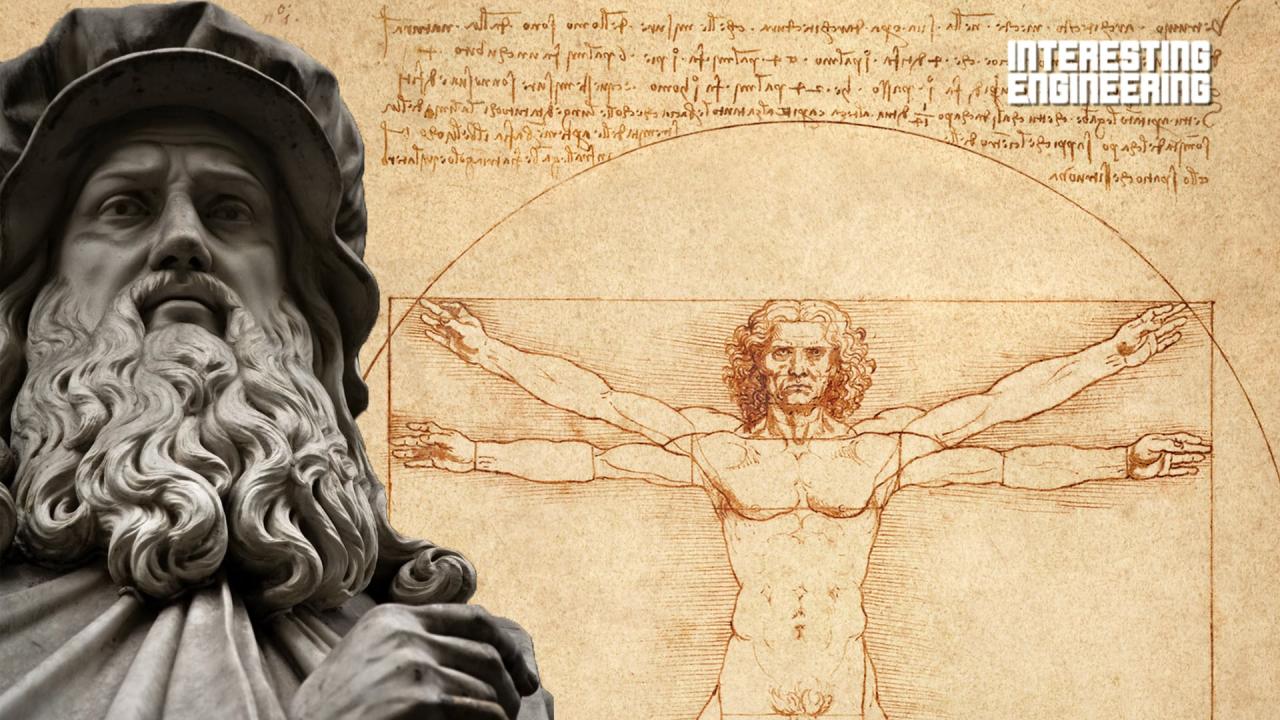
- Da Vinci’s Sketches on Apparel: T-shirts and accessories showcasing his sketches, like the Vitruvian Man, blend fashion with art, attracting a younger demographic that may not be familiar with his original works.
- Art Reproductions in Home Decor: Reproductions of Da Vinci’s paintings, such as the Mona Lisa, widely circulate as wall art, making his works a staple in contemporary home design.
- Educational Tools: Books and materials for schools that incorporate Da Vinci’s art engage students and educate them about his contributions, further solidifying his legacy in the minds of future generations.
The commercialization of Da Vinci’s work has led to increased public engagement. As people interact with his art in everyday life, their understanding and appreciation deepen, which can ultimately influence their willingness to invest in original works. The interplay between reproductions, merchandise, and public perception creates a robust ecosystem that sustains the financial aspects of Da Vinci’s legacy, ensuring that his genius remains both relevant and valued in contemporary society.
“Reproductions and merchandise serve not only as a means of financial gain but also as a bridge connecting the past with the present, allowing Da Vinci’s genius to resonate with new audiences.”
Final Wrap-Up
In summary, Leonardo Da Vinci’s net worth in 2026 serves as a testament to his unparalleled legacy in both the realms of art and science. As we navigate through the influences of market trends, cultural significance, and the role of modern technology, it’s clear that his value will continue to evolve, reflecting not only his genius but also the enduring impact of his works on future generations.
FAQ Summary
What is the estimated net worth of Leonardo Da Vinci in 2026?
The estimated net worth of Leonardo Da Vinci in 2026 is projected to be significantly high, influenced by art market trends and historical auction results.
How does inflation affect the valuation of Da Vinci’s works?
Inflation plays a key role in adjusting the historical prices of Da Vinci’s artworks, enhancing their perceived value in the current market.
Which of Da Vinci’s artworks are expected to appreciate the most?
Notable works such as the Mona Lisa and The Last Supper are expected to significantly appreciate due to their iconic status and continued interest from collectors.
How do modern exhibitions influence Da Vinci’s net worth?
Major exhibitions often lead to increased visibility and appreciation of Da Vinci’s works, thereby enhancing their market value.
What role do art investors play in Da Vinci’s financial legacy?
Art investors contribute to the financial legacy of Da Vinci by purchasing his works, thereby driving demand and overall market value.