
Leonardo Da Vinci Net worth sets the stage for this enthralling narrative, offering readers a glimpse into a story that is rich in detail and brimming with originality from the outset. As one of the most celebrated figures of the Renaissance, Da Vinci’s financial status was not merely a reflection of his artistic genius but a product of his diverse talents and strategic partnerships with influential patrons.
In this exploration, we will delve into the economic landscape of his time, the various sources of his income, and how his wealth shaped not only his work but also the trajectory of art and science.
Evaluating the economic status of Leonardo Da Vinci during the Renaissance era
The Renaissance era was a time of profound change in Europe, marked by a renewed interest in art, science, and the classics. Leonardo Da Vinci, one of the most celebrated figures of this period, not only revolutionized art but also navigated the complex economic landscape of his time. Understanding the financial status of Da Vinci requires a look into the broader economic conditions of the Renaissance, which significantly influenced artists’ livelihoods and opportunities.During the Renaissance, the economic environment was characterized by the rise of wealthy patrons who sought to commission works of art, science, and architecture.
The status of artists began to shift from mere craftsmen to recognized individuals whose works could command significant payments. As cities like Florence and Milan flourished with trade and banking, artists found themselves at the center of a burgeoning market for creative services. Da Vinci was keenly aware of these dynamics, which played a crucial role in shaping his financial success through a series of lucrative commissions and projects.
Commissions and Financial Impact
The commissions received by Da Vinci directly influenced his net worth, reflecting his reputation and the demand for his unique talents. His works often catered to the elite, including members of the nobility and influential families. These commissions not only provided financial stability but also enhanced his status as a leading artist of the time. The following points highlight how these commissions contributed to Da Vinci’s wealth:
- The Last Supper: Commissioned by Duke Ludovico Sforza of Milan, this mural not only demonstrated Da Vinci’s innovative techniques but also paid handsomely for his expertise.
- Mona Lisa: Although initially commissioned by a wealthy patron, the ongoing fame and allure of this painting significantly boosted Da Vinci’s economic prospects through subsequent commissions and popularity.
- Anatomical Studies: His work in anatomy, although less commercially focused, drew attention and respect, leading to commissions from medical professionals and scholars who were eager to utilize his findings in their practices.
Major Patrons of Da Vinci
Da Vinci’s financial growth was intricately linked to a select group of patrons whose support was crucial for his artistic endeavors. These patrons not only funded his projects but also provided social and political connections that further enhanced his career. The contributions of these key figures are significant in understanding the economic framework surrounding Da Vinci:
- Ludovico Sforza: As a Duke of Milan, Sforza was instrumental in much of Da Vinci’s most famous works, including “The Last Supper,” providing substantial financial backing and creative freedom.
- Florentine Medici Family: They were renowned patrons of the arts, with Medici support allowing Da Vinci to flourish artistically and secure commissions that would elevate his status across Europe.
- Cesare Borgia: His patronage allowed Da Vinci to explore military engineering and architecture, expanding his expertise and generating income through various innovative projects.
“The art of Leonardo is a window into the economic realities of the Renaissance, where creativity met commerce in unprecedented ways.”
The relationship between Da Vinci and his patrons exemplified the transactional nature of art during the Renaissance, where financial support directly translated into artistic opportunities and societal prominence.
Analyzing the diverse income sources of Leonardo Da Vinci
Leonardo Da Vinci, one of the most renowned polymaths of the Renaissance, had a multifaceted career that generated income from various sources. His talents and expertise spanned multiple disciplines, including the arts, science, and engineering. Each of these areas contributed significantly to his financial success, amplifying his status not just as an artist but as an innovator.The primary sources of income for Da Vinci included painting, sculpture, and engineering.
His artistic endeavors, particularly in painting, formed the backbone of his financial stability. He was commissioned by various patrons, including nobility and church officials, to create masterpieces that are now celebrated worldwide. In addition to his artwork, Da Vinci’s engineering designs and inventions also held potential for revenue generation, showcasing his innovative spirit.
Major Income Sources
Da Vinci’s income was derived from a combination of commissioned artworks and innovative designs. Each area played a crucial role in building his wealth and reputation. Below are the key sources of his income:
- Painting: Da Vinci’s most famous works, such as the ‘Mona Lisa’ and ‘The Last Supper’, were commissioned pieces that provided significant financial gains. His unique techniques and approaches attracted numerous patrons eager to own such masterpieces.
- Sculpture: Although fewer sculptures are attributed to him, Da Vinci’s involvement in sculptural projects, like the equestrian statue of Francesco Sforza, showcased his versatility. Such commissions were financially lucrative, though many were never completed.
- Engineering and Inventions: His designs, ranging from flying machines to military devices, were ahead of their time. Da Vinci’s sketches and ideas were recognized for their potential, which could translate into revenue through sponsorship or manufacturing opportunities.
Da Vinci’s inventions and designs were critical as potential revenue streams, providing him not only with income but also with prestige. His remarkable ability to conceptualize and draft blueprints for various machines placed him in a unique position among his contemporaries.
“Leonardo’s designs were not merely theoretical; they were practical solutions to real-world problems, embodying the spirit of innovation.”
Examples of commissioned works that enhanced Da Vinci’s financial status include his painting of ‘The Virgin of the Rocks’, commissioned by the Confraternity of the Immaculate Conception. Additionally, the ‘Battle of Anghiari’ was another significant project that not only showcased his artistic prowess but also contributed to his income through commissions for mural work. These commissions solidified his reputation and brought in substantial financial resources, enabling him to continue his work across various disciplines.
Comparing Leonardo Da Vinci’s net worth to his contemporaries
During the Renaissance, a period marked by immense cultural and artistic development, financial success among artists varied significantly. Leonardo Da Vinci, one of the most prolific figures of this era, boasted a net worth that, while impressive, differed greatly from some of his contemporaries like Michelangelo and Raphael. This comparison sheds light on the unique circumstances and societal factors that influenced the wealth of these artists.
Comparison with Michelangelo and Raphael
Leonardo’s financial standing can be juxtaposed with that of Michelangelo and Raphael, both of whom achieved considerable acclaim and wealth through their artistic endeavors. Michelangelo, renowned for his sculptures like the David and the Sistine Chapel ceiling, had a net worth that was reportedly higher than that of Da Vinci at certain points in his career. His works commanded significant commissions, especially from the Vatican, allowing him to accumulate wealth rapidly.
Raphael, known for his harmonious and graceful paintings, also enjoyed considerable financial success. His popularity led to lucrative commissions, including works for churches and influential patrons. While Da Vinci’s innovative techniques and diverse talents, including engineering and anatomy studies, contributed to his legacy, they did not always translate into immediate financial gain compared to his peers.The differences in their financial achievements can be attributed to several societal factors, including the nature of their commissions and the political landscapes they navigated.
Artists who had direct access to powerful patrons or those who were favored by the Church often found greater financial success.
Societal factors affecting wealth among Renaissance artists
The societal context of the Renaissance played a crucial role in shaping the financial fortunes of its artists. The period was characterized by fierce competition among artists, which could drive up commission prices but also create challenges for individual artists seeking to establish their reputation and secure funding. Patronage systems significantly influenced wealth distribution. Wealthy patrons sought to leave their mark by commissioning notable works, which often went to artists who were already established or had connections within elite circles.
This reliance on patronage meant that artists like Michelangelo and Raphael, who had robust relationships with influential figures, often saw their financial status bolstered by these connections.Moreover, the collaborative atmosphere in the art world, where artists would work alongside one another on large projects, sometimes diluted individual recognition and financial compensation. For example, although Da Vinci was a master in his own right, the collaborative nature of some projects may have impacted his income compared to artists with more solitary, high-profile commissions.
“The wealth of an artist is often a reflection of societal and personal circumstances, including patronage, competition, and collaboration.”
In summary, while Da Vinci’s genius is undisputed, his net worth illustrates how various factors—including competition, societal structures, and patron relationships—shaped the financial realities of Renaissance artists.
Investigating the long-term effects of Leonardo Da Vinci’s wealth on his legacy
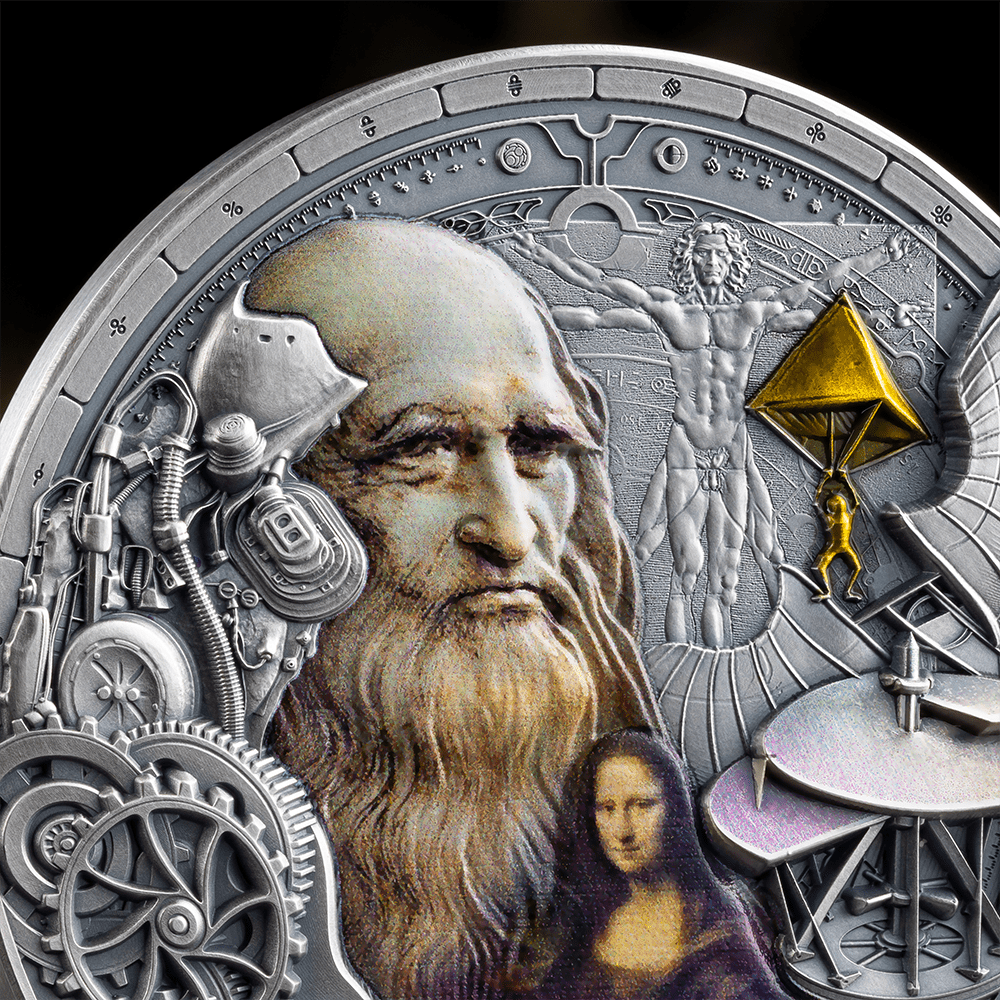
Leonardo Da Vinci’s financial success played a pivotal role in facilitating his artistic and scientific pursuits. His wealth, accumulated through various patronages and commissions, allowed him to explore his diverse interests without the constraints often faced by artists of his time. This financial freedom not only enhanced his creativity but also enabled him to invest in materials, tools, and education that contributed to his masterpieces and scientific innovations.
Financial Success and Its Influence on Artistic and Scientific Endeavors
Leonardo’s wealth significantly influenced his ability to create and innovate. His financial stability allowed him to dedicate time and resources to projects that fascinated him, leading to groundbreaking advancements in both art and science. The following points illustrate the impact of his wealth on his work:
- Investment in Materials: With sufficient funds, Leonardo could procure high-quality pigments, canvases, and other materials that elevated the quality of his art, resulting in iconic works like the “Mona Lisa” and “The Last Supper.”
- Access to Knowledge: His financial status afforded him access to the best education and resources in anatomy and engineering, which enriched his understanding and application of these disciplines in his works.
- Freedom to Experiment: Being financially secure, Leonardo was able to conduct experiments and pursue unconventional ideas, leading to innovative techniques in painting, such as sfumato and chiaroscuro.
Impact on Preservation and Promotion of His Works
The wealth accumulated by Da Vinci not only facilitated his creations but also played a crucial role in the preservation and promotion of his works. Wealthy patrons and collectors sought to acquire his masterpieces, ensuring their survival through the ages. The following factors highlight the long-term impact of his financial status on his art’s legacy:
- Patronage: High-profile patrons like Ludovico Sforza and King Francis I invested in Da Vinci’s work, which ensured that his art was celebrated and preserved within prestigious collections.
- Art Market Influence: The desirability of Da Vinci’s works due to their association with wealth and nobility led to ongoing commissions and reproductions, solidifying his presence in art history.
- Legacy of Wealthy Collectors: The continuous interest from affluent collectors and museums has maintained the visibility of his works, leading to exhibitions that further promote his artistic legacy.
Influence on Future Generations of Artists
Leonardo’s wealth and the resulting legacy influenced countless artists who followed him. His ability to blend art and science served as an inspiration for future generations. Notable impacts include:
- Setting Standards: Da Vinci’s high standards for craftsmanship and innovation inspired artists like Michelangelo and Raphael, who sought to emulate his techniques and concepts in their own works.
- Interdisciplinary Approach: Leonardo’s unique integration of scientific principles into art opened new avenues for artists and thinkers, fostering a culture of interdisciplinary exploration.
- Financial Models for Artists: The success of Da Vinci demonstrated the potential for artists to gain financial independence through skill and innovation, paving the way for future artists to seek patronage and establish their own legacies.
“The greatest deception men suffer is from their own opinions.”
This profound statement encapsulates the essence of Leonardo’s legacy, reinforcing the idea that his wealth enabled him to challenge societal norms and ultimately shape the future of art and science.
Exploring the concept of wealth in the context of art and culture
The Renaissance period was marked by a profound transformation in the way art and culture were perceived, significantly influencing the relationship between artistic talent and financial success. This era not only celebrated individual creativity but also redefined the value of art within society. The balance between artistic merit and economic reward became a notable theme as artists sought to navigate their roles in a burgeoning market driven by cultural appreciation.During the Renaissance, a direct correlation emerged between artistic talent and financial success.
Artists like Leonardo da Vinci flourished under the patronage system, where affluent individuals and institutions sponsored artists in exchange for unique works that showcased their wealth and taste. This mutual relationship enhanced the visibility and significance of art while also establishing a market for it. Artists gained recognition not merely for their skills but also for their ability to produce works that resonated with the cultural values of their patrons.
The demand for art was often a reflection of the political and social climate, wherein art became a medium for personal expression and public display of socio-economic status.
Relationship between artistic talent and financial success during the Renaissance
The financial rewards of artistic talent during the Renaissance were often reliant on the backing of wealthy patrons, which included nobility, the church, and affluent merchants. Here are key points that illustrate this relationship:
- The patronage system allowed artists to focus on their craft without the burden of financial instability, enabling them to create masterpieces.
- Commissioned works often reflected the prestige of the patron, creating a cycle where artists were incentivized to produce high-quality, innovative pieces.
- As artists gained recognition, they began to command higher fees, leading to increased financial autonomy and the ability to pursue personal projects.
Cultural factors played a significant role in shaping the valuation of art and an artist’s worth. The Renaissance was characterized by a renewed interest in humanism and classical antiquity, leading to a shift in the perception of artists from mere craftsmen to intellectuals and innovators. This change elevated the status of artists and encouraged a market that valued creativity, skill, and unique contributions to culture.
Cultural factors shaping the valuation of art
The valuation of art during the Renaissance was influenced by various cultural dynamics:
- The rise of humanism emphasized individual achievement and creativity, leading society to appreciate the artist’s intellect and vision.
- Religious themes dominated early Renaissance art, but as secularism grew, artists began to explore diverse subjects, further increasing their appeal and marketability.
- Art became a means of social and political commentary, allowing artists to engage with contemporary issues, thereby increasing the relevance and demand for their work.
Analyzing Leonardo da Vinci’s net worth offers insight into the broader cultural trends of the Renaissance. His financial success was not merely a reflection of his artistic genius; it was also indicative of the socio-economic structures that governed artistic production at the time.
Case study of Leonardo da Vinci’s net worth
Leonardo da Vinci’s career exemplifies the intersection of art and wealth, revealing how his financial success aligned with cultural developments of the Renaissance:
- As a versatile artist, inventor, and scientist, da Vinci’s diverse skill set attracted a range of patrons, allowing him to amass considerable wealth.
- His most famous works, such as the “Mona Lisa” and “The Last Supper,” not only showcased his extraordinary talent but also became symbols of the cultural shift towards valuing individual artistry.
- The demand for his art was fueled by the growing bourgeoisie, who sought to exhibit their wealth and sophistication through ownership of such prestigious pieces. This trend marked a significant transition in the art market.
Da Vinci’s financial status can be viewed as a reflection of the evolving appreciation for art as a commodity, rooted in the cultural renaissance that celebrated human achievement and creativity. His life and work encapsulate how artistic talent intertwined with cultural valuation, ultimately leading to significant financial success.
Identifying the modern implications of Leonardo Da Vinci’s financial legacy
Leonardo Da Vinci, a polymath of the Renaissance, not only excelled in art and science but also exhibited advanced financial acumen that resonates in today’s art market. His ability to navigate the complexities of patronage and investment demonstrates a strategic approach that remains relevant for contemporary artists and financial practices within the creative industries. Understanding Da Vinci’s financial legacy allows for a better appreciation of how historical wealth can shape modern perspectives on art valuation and creativity.Da Vinci’s financial practices have significantly influenced the art landscape, particularly in the negotiation of artist commissions and the valuation of artistic works.
Contemporary artists often find themselves mirroring his strategies by engaging with patrons and collectors in ways that reflect a blend of creativity and entrepreneurship. This modern approach highlights the importance of financial literacy among artists, encouraging them to understand their worth and navigate the art market effectively.
Influence on Contemporary Artists and the Art Market
The financial strategies employed by Da Vinci offer vital lessons for today’s artists, particularly in how they manage their careers and artworks. Understanding these practices can empower modern creators to advocate for themselves and their art.
- Negotiation Skills: Da Vinci’s adeptness at negotiating terms with patrons serves as a model for artists today who must advocate for fair compensation and ownership of their work.
- Investment in Self: By investing in his education and tools, Da Vinci exemplified the importance of artists investing in their development, encouraging contemporary artists to do the same.
- Building Relationships: The relationships Da Vinci cultivated with influential patrons illustrate the importance of networking and collaboration in the art world, essential elements for modern artistic success.
Understanding historical figures like Da Vinci and their financial legacies impacts current views on art valuation. The financial worth of art is often determined by its historical significance and the status of the artist. Analyzing Da Vinci’s financial dealings sheds light on how artworks by renowned artists are perceived in today’s market and highlights the role of an artist’s reputation in enhancing the value of their work.
Impact on Art Valuation and Wealth Perception
The legacy of wealth and financial strategy established by Da Vinci alters how contemporary art is valued. The extraordinary prices fetched by works attributed to master artists can often overshadow emerging talents, creating a skewed perception of financial success within the art community.
- Historical Context: Da Vinci’s masterpieces are often viewed through the lens of their historical context, affecting how they are priced today, with many buyers willing to pay a premium for works associated with such iconic figures.
- Market Trends: The art market today is heavily influenced by auction prices and collector demand, with Da Vinci’s legacy contributing to the high value placed on established artists.
- Emerging Artists: While established artists like Da Vinci set high benchmarks, the financial architecture surrounding their works encourages emerging artists to cultivate their unique narratives and value propositions.
The economics of creativity today is deeply informed by Da Vinci’s approach to finance and art. By exploring his practices, artists can better navigate the complexities of their creative economies, ensuring they secure their rightful place in the market.
Economics of Creativity Today
Da Vinci’s financial legacy emphasizes the intersection of creativity and commerce, showcasing how effective financial strategies can enhance artistic endeavors.
- Creative Entrepreneurship: Modern artists must adopt entrepreneurial mindsets, reflecting Da Vinci’s approach to balancing creativity with financial acumen.
- Crowdfunding and Patronage: The rise of crowdfunding platforms echoes Da Vinci’s reliance on patronage, allowing contemporary creators to fund their projects directly through public support.
- Intellectual Property Rights: Protecting artistic creations through copyright and trademark laws is crucial for financial stability, an aspect that Da Vinci’s management of his works anticipated.
“The experiences of great artists like Da Vinci shape not only how we view art but also how we value and financially support it in contemporary society.”
Closing Notes

In summary, Leonardo Da Vinci’s net worth serves as a fascinating lens through which we can view the intertwining of art, economics, and culture during the Renaissance. His financial success allowed him to pursue an array of innovative projects, leaving a legacy that continues to inspire countless artists and thinkers today. By understanding his wealth, we can gain deeper insights into the value of creativity and the enduring impact of financial practices on the art world.
Essential FAQs
What was Leonardo Da Vinci’s primary source of income?
His primary sources of income included commissions for paintings, sculptures, and various engineering projects.
Which patrons significantly contributed to his wealth?
Patrons like Ludovico Sforza, the Duke of Milan, and Pope Leo X were instrumental in commissioning works that enhanced his financial status.
How does Da Vinci’s net worth compare to Michelangelo’s?
While both were immensely talented, Da Vinci’s diverse income streams allowed him to accumulate a greater net worth than Michelangelo during their lifetimes.
Did Da Vinci’s wealth affect the preservation of his works?
Yes, his financial success enabled him to invest in the promotion and preservation of his art, ensuring its longevity for future generations.
What impact does Da Vinci’s financial legacy have today?
His financial practices and success continue to influence contemporary artists and the way art is valued in today’s market.