
With Clark Gable net worth at the forefront, we delve into the fascinating journey of one of Hollywood’s most iconic figures. From his humble beginnings to becoming a leading man, Gable’s life was filled with moments that not only shaped his career but also contributed significantly to his financial success. Today, his legacy continues to resonate, and his net worth remains a topic of interest among fans and historians alike.
In this exploration, we will uncover the crucial stages of Gable’s early life and career, his major films that bolstered his earnings, and the various revenue streams that expanded his wealth. Additionally, we’ll analyze the economic landscape of Hollywood during his peak years, compare his financial accomplishments with those of his contemporaries, and reflect on how his personal choices influenced his financial trajectory.
Explore the early life and career beginnings of Clark Gable to understand the foundations of his financial success.
Clark Gable, often hailed as the “King of Hollywood,” had a fascinating journey that began long before he became a global icon. Born on February 1, 1901, in Cadiz, Ohio, Gable was the only child of a poor family. His father, William Henry Gable, was a farmer, while his mother, Adeline Hershelman, was a homemaker. The family faced financial struggles, which planted the seeds for Gable’s relentless ambition.
Raised in a modest environment, Gable learned the values of hard work and perseverance early on. His family’s financial instability instilled in him a desire for success, which would later drive his career in the competitive world of acting.After moving to Akron, Ohio, in his teenage years, Gable’s interest in the arts began to flourish. He participated in his high school’s drama club and developed a passion for acting.
However, it wasn’t until he moved to Hollywood in the 1920s that his career began to take off. Gable initially found work in the film industry as an extra and got his first breakthrough in the 1923 film “The Precious Thing.” However, it was his role in the 1930 film “The Painted Desert” that truly marked the beginning of his ascent to stardom.
This film showcased his dramatic talent and captivating screen presence, which helped him land more significant roles.
Key Moments in Early Career
Several pivotal moments in Gable’s early career contributed to his eventual fame and financial success. These include:
- His performance in “The Front Page” (1931) highlighted his comedic timing and versatility, drawing attention from influential producers.
- The 1934 film “It Happened One Night,” where Gable portrayed Peter Warne, not only won him an Academy Award but also established him as a leading man in romantic comedies.
- Gable’s role in “Gone with the Wind” (1939) as Rhett Butler became a cultural phenomenon, solidifying his status as an icon and significantly enhancing his earning potential.
Gable’s personal characteristics greatly influenced his career trajectory. A combination of rugged masculinity, charm, and vulnerability resonated with audiences and critics alike. His distinctive voice, striking features, and ability to portray a range of emotions allowed him to connect deeply with viewers. Moreover, Gable’s tenacity and willingness to take risks in choosing diverse roles set him apart from his contemporaries, paving the way for a financial legacy that would endure long after his passing.
Investigate the major films that contributed significantly to Clark Gable’s net worth throughout his career.
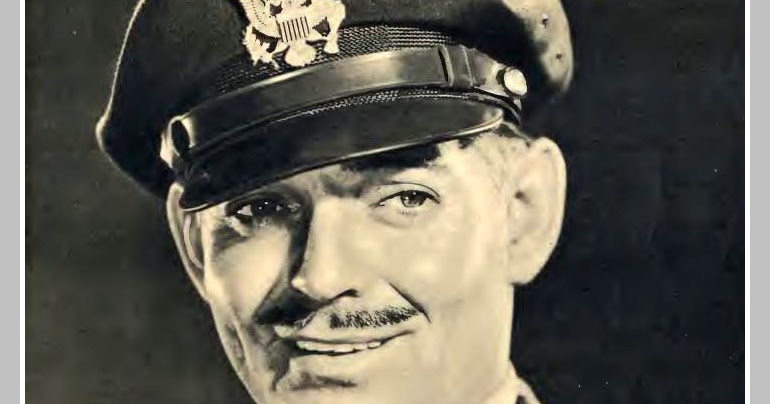
Clark Gable, often referred to as the “King of Hollywood,” had a remarkable career that spanned over three decades. His charm, rugged good looks, and exceptional acting skills made him a leading man in the film industry. Many of his films not only resonated with audiences but also significantly boosted his financial success. In this exploration, we’ll delve into the major films that contributed to his net worth, examining their box office performance, Gable’s iconic roles, and the accolades they garnered.
Highest-grossing films and their impact on earnings
Gable’s filmography includes several blockbuster hits that played an instrumental role in shaping his financial landscape. The following films are noteworthy for their impressive box office returns and their lasting influence on cinema.
- Gone with the Wind (1939)
-This epic historical romance is perhaps Gable’s most famous film, grossing approximately $400 million worldwide (adjusted for inflation). His portrayal of Rhett Butler secured his status as a leading actor and won him a nomination for the Academy Award for Best Actor. - It Happened One Night (1934)
-A romantic comedy that was a massive success, it earned around $2.5 million against a modest budget of $150,000. Gable’s performance as Peter Warne was widely praised, earning him his first Oscar for Best Actor. - Mutiny on the Bounty (1935)
-This adventure film was a commercial hit, grossing around $2.5 million. Gable’s role as Fletcher Christian showcased his versatility and appeal in various genres. - San Francisco (1936)
-This film captured the excitement of the 1906 earthquake and grossed around $2 million. Gable’s captivating performance solidified his star power within the industry. - Soldiers of Fortune (1955)
-Although not as widely known, this film added to Gable’s legacy and financial success, showcasing his enduring popularity in the later years of his career.
The box office success of these films not only contributed to Gable’s net worth but also established him as one of the most bankable stars of his time. His ability to appeal to a wide audience made him a sought-after actor, leading to higher salaries and lucrative contracts throughout his career.
Roles that defined Gable’s status as a leading actor
Clark Gable’s roles were pivotal in defining his career and solidifying his reputation as a quintessential leading man. His portrayal of complex characters allowed audiences to connect with him on various emotional levels, amplifying his status in Hollywood.Gable’s Rhett Butler in “Gone with the Wind” is arguably his most iconic role. The character’s charm and complexity resonated with viewers, making it a benchmark for romance in cinema.
Similarly, his role in “It Happened One Night” showcased his comedic timing and ability to navigate romance with a light-hearted touch.Gable’s performances often reflected the societal themes of his time, contributing to his relatability and earning him numerous accolades. The brilliance of his characters has been recognized through various awards, including an Academy Award for Best Actor and several nominations.
“Gable was not just an actor; he was an embodiment of the American ideal, captivating audiences both on and off the screen.”
In conclusion, the films that defined Clark Gable’s career were not only major contributors to his financial success but also pivotal in shaping the landscape of classic Hollywood cinema. His legacy as a leading man continues to influence actors today, proving his enduring appeal and significance in film history.
Discuss the various revenue streams that added to Clark Gable’s wealth beyond acting.
Clark Gable, known as the “King of Hollywood,” amassed a significant fortune throughout his illustrious career, with acting being just one of his income sources. Beyond his film roles, Gable capitalized on various revenue streams that contributed to his impressive net worth. These included lucrative endorsements, business ventures, and public appearances that bolstered his financial portfolio and showcased his enduring popularity.
Endorsements and Product Placements
During the golden age of Hollywood, Clark Gable’s image was not only that of a charismatic actor but also a powerful brand. His appeal made him a prime candidate for endorsements and product placements, which were essential in elevating his wealth. Gable’s suave demeanor and good looks allowed him to influence public opinion and consumer behavior effectively. One notable aspect of his endorsements was his association with prominent brands in fashion and luxury goods.
Gable often appeared in advertisements for men’s clothing lines, where his style set trends and inspired consumers. For instance, his role in popularizing the male “v-neck” look showcased how a simple endorsement could resonate with the audience and significantly impact sales. Additionally, his on-screen presence in films often led to product placements, where brands would pay to have their products featured in his movies.
This arrangement was mutually beneficial; brands gained visibility through Gable’s films, while he received financial compensation and enhanced his image as a fashion icon. Gable also ventured into the realm of merchandise, where his likeness was used on a range of products, from collectibles to cosmetics. This diversification allowed Gable to leverage his fame into tangible income, cementing his status not only as an actor but as a marketable persona.
Business Ventures and Investments
Clark Gable was not just a talented actor but also a savvy businessman. Throughout his career, he made several investments that contributed to his wealth. One of his significant ventures was in the real estate market. Gable invested in properties, particularly in the upscale areas of Los Angeles, which appreciated considerably over time. His forethought in choosing prime locations led to substantial returns on investment.Moreover, Gable was involved in the production of films.
By taking on roles that included partial ownership of the projects, he positioned himself to share in the profits, thereby increasing his earnings well beyond his initial salary. This strategic move allowed him to have a say in the films he starred in while also benefiting financially from their successes.
Public Appearances
Public appearances played a crucial role in enhancing Gable’s income. His status as a Hollywood icon meant that he was in high demand for various events, including charity galas, film premieres, and promotional events. These appearances often garnered substantial fees, reflecting his status and celebrity.Not only did public appearances provide a direct source of income, but they also boosted Gable’s visibility and brand.
Engaging with fans and the media during these events helped maintain his popularity, ensuring a consistent flow of opportunities in endorsements and new film roles. The combination of endorsements, business ventures, and public appearances created a diverse financial portfolio for Clark Gable, which significantly contributed to his wealth beyond acting. His ability to leverage his fame into multiple streams of income remains a testament to his enduring legacy in Hollywood.
Analyze the economic factors in Hollywood during Gable’s peak years and how they influenced his financial standing.
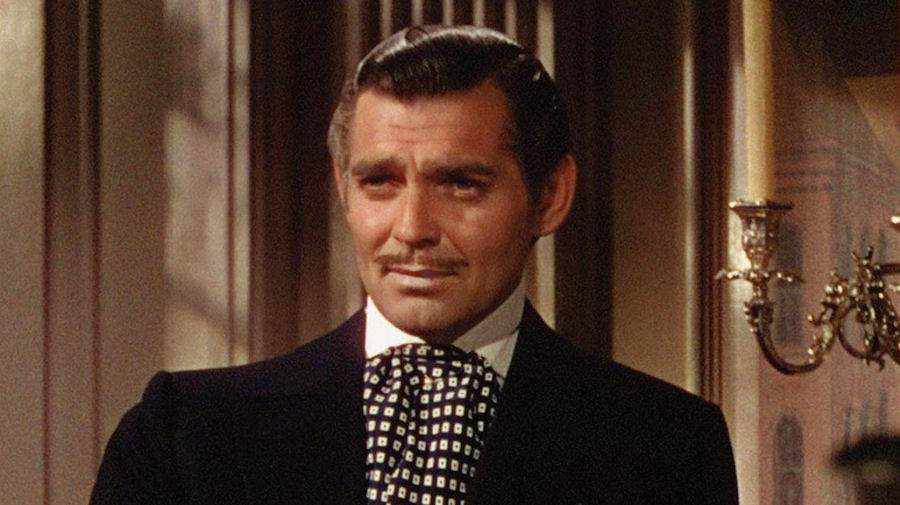
During the height of Clark Gable’s career, the film industry in Hollywood experienced significant economic challenges and transformations that directly influenced his financial success. Gable’s stardom coincided with tumultuous times, notably the Great Depression and the Second World War, which reshaped the entertainment landscape and audience behaviors.The Great Depression had a profound impact on Hollywood, with studios initially struggling to maintain profitability amid widespread economic hardship.
However, the film industry managed to adapt, becoming a vital source of escapism for audiences during this challenging period. Gable, as a leading man, became one of the symbols of this cinematic escape, which enhanced his appeal and allowed him to command higher salaries. His iconic roles in films like “It Happened One Night” and “Gone with the Wind” not only solidified his status but also contributed to significant box office successes that boosted his net worth.
Impact of World War II on the Film Industry
World War II also played a crucial role in shaping Hollywood’s economy and, subsequently, Gable’s earnings. The war effort led to increased production of patriotic films and war propaganda, creating new opportunities for actors. Gable himself enlisted in the U.S. Army Air Forces during the conflict, which positioned him as a heroic figure both on and off the screen. The following factors illustrate how the war influenced Gable’s financial standing:
- Increased Demand for Films: As soldiers were deployed, the demand for films surged, with many seeking entertainment during their downtime. Studios ramped up production, leading to higher revenues.
- Gable’s Star Power: Gable’s enlistment and portrayal as a soldier in films like “Command Decision” resonated with audiences, further enhancing his marketability and allowing him to negotiate lucrative contracts.
- Post-War Boom: After the war, Hollywood experienced a boom in attendance, with returning veterans and their families eager for entertainment. Gable’s films continued to attract large audiences, solidifying his financial success in the post-war era.
Shifts in Audience Demographics and Preferences
Changing demographics and evolving audience preferences significantly impacted Gable’s film choices and financial trajectory. As more women entered the workforce during the war, their presence in movie theaters increased, prompting studios to cater to diverse audiences. Gable’s romantic leads often appealed to this demographic shift, leading to films that showcased more complex emotional narratives. The following points highlight how these demographic shifts influenced Gable’s decisions and contributions to films:
- Diverse Genres: Gable embraced various genres beyond romance, including action and comedy, to appeal to broader audiences, thus maximizing box office returns.
- Character Evolution: His roles evolved to reflect contemporary social themes, resonating with changing societal values and attracting a wider viewer base.
- Greater Collaboration: Gable’s partnerships with influential directors and producers during this time allowed him to participate in more significant projects that reinforced his status and financial standing.
Industry Shifts Maximizing Gable’s Net Worth
Throughout Gable’s career, several shifts within the Hollywood system allowed him to maximize his financial standing and ensure a stable income. These transformations included the rise of the star system, the importance of promotional strategies, and the emergence of television as a competing medium.To better understand these shifts, consider the following:
- Star System: Gable’s status as a leading man placed him at the center of Hollywood’s star system, enabling him to negotiate favorable contracts and secure high fees for his performances.
- Promotion and Marketing: The advent of sophisticated promotional campaigns helped elevate Gable’s brand, resulting in substantial merchandise deals and endorsements that supplemented his income.
- Adaptation to Television: As television began to rise in popularity, Gable adapted by appearing in special TV events and series, broadening his reach and maintaining his relevance in the entertainment industry.
Compare Clark Gable’s net worth to that of other iconic actors of his era to provide context.
Clark Gable, known as the “King of Hollywood,” was one of the most popular actors of his time. His net worth reflected not only his success in the film industry but also his significant impact on American culture during the Golden Age of Hollywood. To understand Gable’s financial standing, it’s essential to compare his net worth to that of other leading actors of his era.
During the 1930s and 1940s, many actors rose to fame, and their net worths varied greatly based on their popularity, the films they starred in, and their ability to captivate audiences. Below is a comparative table showcasing the estimated net worths of several iconic actors from the same period as Gable.
Comparative Net Worth of Iconic Actors
The following table provides a glimpse into the financial success of Clark Gable alongside his contemporaries. These figures reflect the estimated net worth of each actor during the peak of their careers.
| Actor | Estimated Net Worth (in millions) | Era of Prominence |
|---|---|---|
| Clark Gable | $100 | 1930s – 1940s |
| Humphrey Bogart | $75 | 1930s – 1950s |
| James Stewart | $30 | 1930s – 1990s |
| Gary Cooper | $50 | 1920s – 1960s |
| John Wayne | $50 | 1930s – 1970s |
Clark Gable’s net worth of approximately $100 million places him at the top of this list, showcasing his profound success in the film industry. Various factors contributed to Gable’s financial achievements that set him apart from his contemporaries.
Gable’s marketability and audience appeal were exceptional, largely due to his charismatic on-screen presence and memorable performances in classics like “Gone with the Wind.” His ability to portray complex characters resonated deeply with audiences, allowing him to command higher salaries and negotiate lucrative contracts. In contrast, while actors like Humphrey Bogart and Gary Cooper were also immensely popular, their film genres and personal styles sometimes limited their marketability compared to Gable’s versatile roles.
Moreover, Gable was adept at maintaining a public persona that appealed to both men and women, creating a broader fan base. His rugged good looks combined with a charming demeanor made him a quintessential romantic lead during his time. This duality in appeal not only secured him iconic roles but also elevated his status as a box office draw, resulting in higher earnings as his films consistently performed well commercially.
Overall, it is clear that Clark Gable’s unique combination of talent, charisma, and savvy marketing distinguished him significantly from his peers in the industry.
Elaborate on the legacy of Clark Gable and how it continues to impact his net worth posthumously.
Clark Gable, often revered as the “King of Hollywood,” left an indelible mark on the film industry that transcends his lifetime. His legacy as a charismatic leading man in classic films like “Gone with the Wind” and “It Happened One Night” continues to resonate with audiences today. The impact of his body of work extends beyond mere nostalgia; it actively contributes to his net worth even decades after his passing.
This enduring influence is a testament to Gable’s cinematic achievements and the way his persona has been integrated into popular culture.The revenue generated from Clark Gable’s films is a significant aspect of his financial legacy. His movies remain staples on television and streaming platforms, producing substantial income through reruns and licensing agreements. Classic film channels and services often showcase his work, ensuring that new generations are exposed to his performances.
Additionally, merchandise associated with Gable and his iconic roles, such as posters, collectibles, and clothing, further contributes to ongoing revenue streams. The enduring popularity of films featuring Gable means that every time a classic is aired or a DVD is sold, Gable’s estate receives financial benefits.
Ongoing tributes and events that honor Clark Gable
Clark Gable’s legacy is preserved through various tributes and events that celebrate his life and career. These activities not only honor his memory but also play a role in influencing his estate’s earnings.
- Annual film festivals often screen Gable’s classic films, drawing audiences who admire vintage cinema.
- Special events at historical theaters, where Gable’s films are shown, attract nostalgic fans and new viewers alike, contributing to ticket sales and merchandise revenue.
- Museums dedicated to Hollywood history frequently feature exhibitions focused on Gable, showcasing memorabilia and artifacts that celebrate his contributions to cinema. These exhibitions often include interactive experiences that engage visitors and highlight Gable’s lasting influence.
In addition to public events, Gable’s image and persona are frequently utilized in modern media. Various advertising campaigns, documentaries, and even themed merchandise capitalize on his iconic status. This includes collaborations with fashion brands that draw inspiration from Gable’s classic style, which helps keep his image relevant and lucrative. As a result, the estate generates income from licensing agreements that permit the use of Gable’s likeness, ensuring his financial legacy continues to grow even after his death.
“Clark Gable’s contributions to the film industry are timeless, ensuring that his legacy remains a source of income and inspiration.”
Analysis of How Clark Gable’s Personal Life Choices Affected His Financial Status
Clark Gable, known as the “King of Hollywood,” not only made a significant impact on the film industry but also experienced a tumultuous personal life that influenced his financial standing. His choices regarding relationships, marriages, and the way he managed his public persona contributed to the ups and downs of his financial journey. One of the most notable influences on Gable’s financial situation stemmed from his marriages and romantic relationships, which were often highly publicized and scrutinized.
His first marriage to Ria Langham in 1924 was fraught with challenges, including Gable’s infidelity and the couple’s eventual separation in the late 1930s. This period marked a time when Gable’s earnings were at their peak due to films such as “It Happened One Night,” but his personal life was chaotic, leading to legal battles that could have affected his financial resources.His second marriage to actress Carol Lombard in 1939 proved to be a transformative period in both his personal and professional life.
Lombard was not only a supportive partner but also helped solidify Gable’s public image as a romantic leading man. Tragically, Lombard’s death in a plane crash in 1942 had a profound emotional impact on Gable, which may have influenced his career choices and financial decisions in the subsequent years. The loss also led to a temporary decline in his work as he grappled with his grief, which could have resulted in decreased income during that period.
Significant Life Events Impacting Financial Status
Several key events in Gable’s life contributed to fluctuations in his financial situation. These events include:
- The success of “Gone with the Wind” in 1939 catapulted Gable to new financial heights, earning him a salary of $120,000, a staggering amount for that era, along with a significant percentage of the film’s profits.
- Gable’s involvement in World War II as a pilot impacted his film career temporarily, which could have led to lost earnings during the years he was enlisted.
- After his marriage to Lombard, Gable’s choice to take on more serious roles led to a diversification in his acting career but also resulted in films that were less commercially successful than his earlier works, affecting his overall income.
Throughout his life, Gable maintained a public persona that aligned closely with his values of masculinity and charm. He was often viewed as the quintessential leading man, which had its advantages in contract negotiations and endorsements. His relationships and personal values, characterized by loyalty and romance, not only defined his off-screen persona but also helped him navigate the turbulent waters of Hollywood’s ever-changing landscape.
The combination of his personal choices and public image ultimately played a significant role in shaping his financial legacy.
Closing Notes
As we wrap up our discussion on Clark Gable’s net worth, it becomes clear that his financial legacy is as compelling as his on-screen performances. His ability to adapt to changing times and audience preferences highlights his unique position in Hollywood history. Gable’s films continue to generate income, demonstrating that his influence extends far beyond his lifetime, ensuring that his star will shine for generations to come.
FAQ Insights
What is Clark Gable’s estimated net worth today?
While exact figures vary, Clark Gable’s net worth is estimated to be around $100 million when adjusted for inflation, considering his earnings from films and other ventures.
Did Clark Gable have any major endorsements?
Yes, Gable endorsed several products during his career, which contributed significantly to his wealth, particularly in the 1940s and 50s.
What were some of Clark Gable’s highest-grossing films?
Some of Gable’s top films include “Gone with the Wind,” “It Happened One Night,” and “Mutiny on the Bounty,” all of which substantially increased his earnings.
How did Gable’s personal life affect his income?
Gable’s marriages and relationships often influenced his public persona and marketability, impacting his choices in roles and endorsements.
Is Clark Gable’s estate still making money today?
Yes, Gable’s estate continues to generate revenue through the licensing of his films, merchandise, and various tributes that keep his memory alive.