
Delving into Leonardo da Vinci net worth today, we uncover the fascinating interplay between artistry and finance that defined one of the greatest polymaths of all time. Da Vinci, renowned for his masterpieces and revolutionary inventions, navigated the complex economic landscape of Renaissance Italy, accumulating wealth through various means, including commissions and patronage.
His financial journey reflects the vibrant cultural and economic conditions of his time, making it essential to explore how these factors shaped not only his fortune but also the legacy that continues to influence contemporary art and innovation. From art market trends to the lasting impact of his inventions, understanding Da Vinci’s net worth today provides insights into the enduring value of his contributions.
Discuss the historical context of Leonardo da Vinci’s wealth during his lifetime
During the Renaissance, Italy was a tapestry of city-states flourishing in art, science, and commerce. This period, roughly from the 14th to the 17th century, was marked by a significant shift towards humanism and the rebirth of classical learning. Economic conditions varied greatly across the regions, yet, overall, there was an increase in wealth among the upper classes, particularly due to trade, banking, and the patronage system.
Leonardo da Vinci, born in 1452 in Vinci, was inextricably linked to these economic currents, and his financial standing was influenced by multiple factors unique to this vibrant time.The economic conditions of Renaissance Italy were characterized by intense competition among the city-states, notably Florence, Venice, and Milan. The burgeoning merchant class sought to display their wealth through the patronage of artists and intellectuals.
This allowed artists like Da Vinci to thrive financially. The wealth generated by trade in goods such as textiles, spices, and luxury items meant that clients had the means to commission ambitious projects. Additionally, the rise of banking institutions, such as the Medici family in Florence, created a network of financial support for artistic endeavors.Leonardo’s sources of income were diverse, primarily stemming from commissions for painting and sculpture, collaborations on architectural projects, and work as a military engineer and inventor.
His most famous works, including the “Mona Lisa” and “The Last Supper,” were commissioned by influential patrons. These commissions not only provided immediate financial rewards but also enhanced Da Vinci’s reputation, attracting further work.
Sources of Income for Da Vinci
Da Vinci’s financial stability was secured through various avenues, including art commissions and inventive projects. Some key sources of his income included:
-
Patronage from influential families
-Prominent families like the Medici in Florence and Ludovico Sforza in Milan supported his work financially and provided him with a steady stream of commissions.
-
Art Commissions
-Da Vinci was sought after for his talent in painting and was often paid handsomely for creating masterpieces, which increased his wealth and prominence.
-
Military Engineering
-His skills in invention and engineering led to lucrative contracts where he designed weapons and fortifications for clients.
-
Teaching and Workshops
-Da Vinci also earned income by teaching apprentices and conducting workshops, imparting his skills while generating additional revenue.
Leonardo da Vinci’s artworks and inventions were not just expressions of creativity; they played a crucial role in enhancing his financial standing. His innovative designs, such as flying machines and war machines, attracted interest and funding, leading to a diversified portfolio of income that allowed him to maintain a comfortable lifestyle during his lifetime.
Identify the methods used to estimate Leonardo da Vinci’s net worth in today’s terms
Estimating Leonardo da Vinci’s net worth in today’s terms requires a blend of historical analysis and modern financial techniques. Given that Da Vinci lived during the Renaissance, a time of great artistic and scientific advancement, evaluating his wealth is not straightforward. Historians and financial analysts use various methodologies to arrive at a plausible figure that reflects his financial standing relative to today’s economy.One primary method involves adjusting historical currency values to modern equivalents.
This process often utilizes inflation indices, which consider the purchasing power of money over time. By translating Da Vinci’s earnings during his lifetime—be it from commissions for his artworks, inventions, or patronage—into contemporary currency, analysts can estimate his net worth more accurately. For instance, a painting that sold for 100 ducats in the 16th century might be translated into a significant sum today, reflecting not only inflation but also the growing value of Da Vinci’s art in modern markets.
Adjusting Historical Values
Adjusting historical values to current economic standards is crucial for understanding the economic impact of historical figures. This adjustment helps contextualize Da Vinci’s contributions within modern financial frameworks. Several factors come into play when making these adjustments:
- Inflation Rates: Analysts often apply historical inflation rates to translate past currency values into present-day equivalents. This method provides a baseline for understanding how much da Vinci’s income would be worth today.
- Art Market Trends: Da Vinci’s works have been sold for millions at auctions, significantly impacting his estimated net worth. The art market’s appreciation over time reflects not just inflation but also changing tastes and the rarity of Da Vinci’s pieces.
- Economic Conditions: The economic landscape, including supply and demand dynamics within the art world, plays a role in determining value. Historical sales records of Da Vinci’s works, adjusted for market trends, can provide insight into potential net worth.
An example of inflation affecting valuation is seen in the auction of Da Vinci’s “Salvator Mundi,” which sold for a staggering $450 million in 2017. This sale exemplifies how art can far exceed mere inflation adjustments, driven by high demand and the significance of the artist’s legacy. The fusion of historical context and contemporary valuation methods thus allows for a more accurate assessment of Da Vinci’s worth in today’s terms.
Compare Leonardo da Vinci’s net worth with that of other notable artists of his time
Leonardo da Vinci, a polymath of the Renaissance, is often remembered not just for his artistic brilliance but also for the wealth he accrued throughout his life. Comparing his net worth to contemporaries like Michelangelo and Raphael reveals interesting insights into the financial landscape of artists in the 15th and 16th centuries. These artists not only competed for commissions but also navigated a market influenced by patronage, fame, and the evolving art world.In assessing Da Vinci’s wealth, it is critical to consider various factors that contributed to the differences in net worth among these legendary artists.
While Da Vinci was wealthy, his financial situation was often precarious, partly due to his tendency to pursue numerous projects without completing them. This indecisiveness affected his ability to consistently earn from commissioned works. Conversely, Michelangelo, who was known for his prolific output and completion of iconic projects like the Sistine Chapel, enjoyed substantial patronage from the Pope and wealthy Florentines.
His completed works not only earned him immediate income but also solidified his legacy, translating into ongoing financial success.
Factors contributing to differences in net worth among artists
Understanding the financial disparities among these masters necessitates examining several key factors:
- Patronage: Artists like Michelangelo had powerful patrons, including popes and nobility, who ensured a steady stream of commissions. In contrast, Da Vinci’s projects were often sporadic and less consistent in terms of clientele.
- Marketability: Michelangelo’s established fame allowed him to command higher fees for his work. His reputation enabled him to secure high-profile projects that would significantly boost his net worth.
- Completion of Works: Da Vinci’s unfinished works limited his ability to generate income. Unlike Michelangelo, whose completed pieces became immediate financial successes, Da Vinci’s ambitious projects often remained incomplete.
The fame and marketability of an artist play crucial roles in influencing their financial legacy. Artists with widespread recognition can attract lucrative commissions and maintain long-term financial stability. Michelangelo’s ability to produce works that captivated audiences ensured that his art remained in demand, while Da Vinci, despite his genius, faced challenges in harnessing his talent for consistent financial gain. In the end, the art world of the Renaissance was as much about business acumen and patron relationships as it was about artistic skill.
Elaborate on the impact of Leonardo da Vinci’s artwork on his net worth today
Leonardo da Vinci, a paragon of the Renaissance, is celebrated not just for his genius in art and science but also for the lasting financial impact of his creations. Today, his work remains a cornerstone of the art market, with pieces like the “Mona Lisa” and “The Last Supper” commanding astronomical valuations. The significance of these artworks extends beyond aesthetic appreciation; they represent monumental cultural milestones that continue to influence both collectors and investors.The art market is dynamic, with the value of Da Vinci’s most famous works continually appreciating due to their historical importance and artistic mastery.
For instance, the “Salvator Mundi,” attributed to Da Vinci, made headlines in 2017 when it was sold at auction for a staggering $450.3 million, breaking records for the most expensive painting ever sold. Such events underscore how Da Vinci’s works not only attract high-profile collectors but also serve as safe investments that promise substantial returns. The prices fetched by his artworks are a reflection of their scarcity; they are few, with only around 15 pieces attributed to him that are known to exist today.
This limited supply significantly enhances the market value of each piece.
Auction Prices and Overall Valuation
The auction prices of Leonardo da Vinci’s artwork provide insight into their influence on his net worth. The rarity of his pieces makes them exceedingly valuable, as collectors are often willing to pay exorbitant sums to add an original Da Vinci to their collections. The financial implications are enormous: the sale of a single piece can elevate the valuation of his estate dramatically.
The high-profile nature of Da Vinci’s work ensures continuous media coverage, which further drives demand among affluent collectors.The impact of scarcity on valuation cannot be overstated. With each painting that resurfaces, the collectible nature of Da Vinci’s work grows, creating an environment where market prices can skyrocket. The average prices for lesser-known pieces attributed to him also reflect this trend, often reaching millions at auction.
As a result, the financial legacy of Leonardo da Vinci is interwoven with the intrinsic value of his masterpieces, making them not only symbols of artistic achievement but also substantial assets in the modern art market.
Detail the influence of Leonardo da Vinci’s inventions on his financial legacy
Leonardo da Vinci, a name that resonates with creativity and innovation, was not only a master painter but also an ingenious inventor. His designs and inventions have significantly contributed to his perceived wealth, influencing how he is viewed in the context of historical figures. Even beyond his lifetime, the economic implications of his ideas continue to resonate, showcasing the lasting impact of his work on both art and technology.Da Vinci’s innovative designs encompassed a variety of fields, including mechanics, hydraulics, and aviation.
His visionary concepts, such as the flying machine and the armored vehicle, were well ahead of their time. Although these inventions were not realized during his lifetime, their existence in his notebooks highlighted his extraordinary intellect and creativity. The allure of these inventions contributes to Da Vinci’s financial legacy by increasing interest in his life and work, thereby driving the value of his art and manuscripts.
His inventions symbolize the bridge between art and science, further enhancing his image as a polymath.
Modern relevance and economic implications of Da Vinci’s inventions
The relevance of Da Vinci’s inventions persists in today’s world, where many of his ideas have inspired modern technology and engineering. Industries such as aerospace and automotive have drawn from his concepts, leading to innovations that shape our daily lives. The economic implications are vast, as the continued study and application of his designs contribute to advancements in technology, which in turn fuels economic growth.For instance, his design of an early helicopter, conceptualized in sketches, laid the groundwork for modern rotorcraft.
Similarly, his studies of human anatomy have influenced medical science, illustrating his impact on multiple sectors. The financial valuation of Da Vinci’s legacy is further enhanced by the continuous interest in his work, as collectors and institutions invest significant resources into acquiring his sketches and artworks.The fascination surrounding Da Vinci’s writings and inventions enhances his reputation, reflecting his status as a polymath.
His ability to blend diverse fields, from art to engineering, showcases the breadth of his talent and intellect. This multidimensionality not only elevates his financial valuation but also cements his place in history as one of the greatest minds of all time. The economic benefits derived from his inventions and the ongoing interest they generate contribute significantly to the perception of his wealth and legacy in contemporary society.
Organize a timeline of Leonardo da Vinci’s financial milestones throughout his life

Leonardo da Vinci’s financial journey was as dynamic and multifaceted as his artistic career. His ability to navigate both periods of prosperity and economic challenges significantly influenced his net worth and financial standing throughout his life. Below is a chronological overview of pivotal events that shaped his financial trajectory.
Significant Financial Events in Leonardo’s Life
Understanding the nuances of da Vinci’s financial situation requires examining a series of key commissions and projects, as well as the economic conditions of his time. The following timeline highlights the defining moments that affected his wealth:
- 1452: Birth in Vinci, Italy Leonardo was born into a relatively modest family, which did not provide him with substantial financial resources growing up. However, his early artistic talents were recognized, leading to opportunities that would later shape his financial future.
- 1466: Apprenticeship in Florence At the age of 14, Leonardo began his apprenticeship with Andrea del Verrocchio, which not only honed his artistic skills but also set the foundation for his future commissions. This period marked the beginning of his financial independence as he started earning from art and workshops.
- 1482: Move to Milan and Commission from Duke Ludovico Sforza Leonardo’s relocation to Milan was a significant financial turning point. He received a generous annual salary from Duke Ludovico Sforza, along with various commissions like “The Last Supper,” which bolstered his financial status considerably.
- 1495-1498: Completion of “The Last Supper” This monumental work was not only a display of Leonardo’s artistic genius but also a lucrative commission that significantly contributed to his wealth during this period. Despite the eventual deterioration of the painting, it solidified his reputation and financial standing.
- 1503: Commission for the Mona Lisa The commission of the “Mona Lisa” began a long endeavor, showcasing da Vinci’s ability to create art that would retain high value. Although he never delivered it to the original patron, the fame and subsequent demand for this piece enhanced his financial situation.
- 1519: Death and Estate Settlement At the time of his death, Leonardo left behind a considerable amount of artwork and notes, though financial challenges had persisted due to fluctuating commissions and economic conditions. His estate was eventually divided among his heirs, establishing his legacy and impact on future generations.
The trajectory of Leonardo da Vinci’s finances reveals how his artistic endeavors and the economic landscape shaped his wealth at various life stages, creating a legacy that transcends mere monetary value.
Discuss the role of patronage in shaping Leonardo da Vinci’s net worth
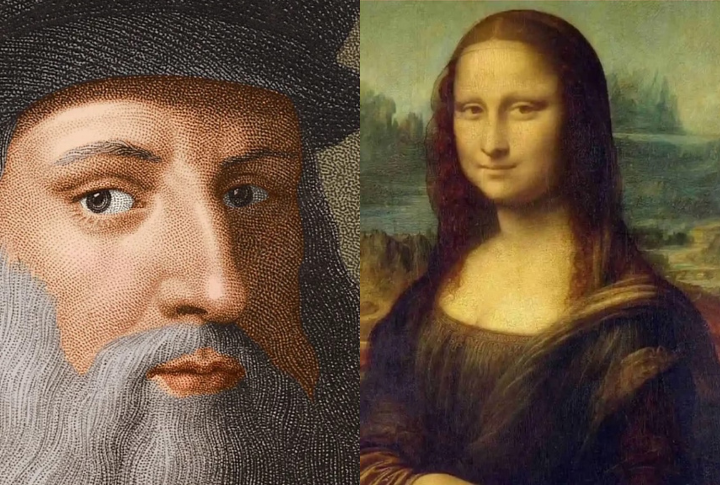
The intricate web of patronage during the Renaissance played a pivotal role in determining Leonardo da Vinci’s financial success and artistic legacy. Leonardo’s relationships with influential patrons, notably Ludovico Sforza and Francis I, significantly impacted his net worth, allowing him to thrive in an era when the arts were both revered and financially supported by the elite. These connections were not just transactional; they were deeply entwined with the social and political fabric of the time, which shaped Leonardo’s career and financial standing.The patronage system in Renaissance Italy was a fundamental aspect of artistic life, where wealthy individuals or families would commission works from artists in exchange for financial support and social prestige.
Ludovico Sforza, the Duke of Milan, was one of Leonardo’s most significant patrons. Under Sforza’s patronage, Leonardo created masterpieces like “The Last Supper” and was entrusted with various projects, including military engineering and architectural designs. This relationship not only provided Leonardo with a stable income but also elevated his status within the artistic community, allowing him to attract more commissions and secure his financial future.Similarly, the relationship with Francis I, King of France, marked a transformative phase in Leonardo’s life.
After moving to France, Leonardo became the king’s premier artist and received a generous salary and a comfortable residence at Château du Clos Lucé. This arrangement ensured that Leonardo was financially secure in his later years, reinforcing the notion that strong patronage could significantly enhance an artist’s economic status. Furthermore, Francis I’s admiration for Leonardo’s work ensured that his creations would be protected and celebrated, thereby solidifying his legacy.The social and political dynamics of the time influenced patronage relationships, often intertwining art with power.
Patronage was a means for rulers and wealthy individuals to display their wealth, intellect, and cultural sophistication; supporting artists like Leonardo was a way to gain prestige and influence. The long-term implications of these relationships extended beyond Leonardo’s lifetime. They contributed to the establishment of a model where artists could achieve substantial financial success through patronage, thereby paving the way for future generations of artists.
Moreover, the works produced under these patrons would go on to immortalize both Leonardo and his benefactors, solidifying their places in history.
Describe the legacy of Leonardo da Vinci’s net worth in contemporary culture
Leonardo da Vinci’s legacy transcends time, reflecting not only his artistic genius and scientific innovation but also his financial status during the Renaissance. His net worth, while challenging to quantify by today’s standards, was indicative of the immense value placed on intellect and creativity in his era. Today, this financial legacy prompts discussions on the intersections of art, wealth, and innovation, influencing how we perceive creative professionals in contemporary society.Da Vinci’s financial status is often perceived through the lens of his prolific contributions to various fields.
The wealth he amassed from commissions and patronage speaks to the high regard in which artistry was held during the Renaissance, a time when the arts were both a means of personal expression and a pathway to financial success. This duality is essential in understanding how Da Vinci’s wealth shapes modern views of artistry. In today’s context, the relationship between financial success and artistic merit continues to be a point of contention.
While many artists struggle to achieve recognition and financial stability, Da Vinci’s life serves as a benchmark for what can be achieved through creativity and innovation.
Cultural Impact of Wealth on Artistry and Innovation
The cultural impact of Da Vinci’s wealth is evident in the ongoing discussions surrounding art valuation. His works, exemplified by masterpieces like the “Mona Lisa” and “The Last Supper,” have reached astronomical values at auctions, reinforcing the perception that exceptional artistry can lead to significant financial reward. This notion influences contemporary artists who aspire to similar heights, as they navigate a market that often prioritizes commercial success.For instance, in contemporary art circles, discussions frequently arise around the valuation of works by living artists compared to those of historical figures like Da Vinci.
His financial legacy serves as a reference point when evaluating contemporary pieces. Artists like Jeff Koons and Damien Hirst have sold works for tens of millions, highlighting how the art market can reward innovation and creativity—but also raises questions about authenticity and value. In essence, Leonardo da Vinci’s financial legacy fosters a complex dialogue about the appreciation and commercialization of art.
As we continue to celebrate his contributions, the implications of wealth in the arts remain a vital part of understanding how society values creativity today.
Closure
In conclusion, Leonardo da Vinci’s net worth today is a testament to his unparalleled genius and the lasting impact of his work in both art and science. As we reflect on how his financial legacy has evolved and remains relevant in today’s context, it is clear that Da Vinci’s ability to blend creativity with economic savvy has solidified his place in history as not just an artist but a symbol of the Renaissance spirit.
His influence on modern perspectives of wealth in art continues to inspire and provoke thought about the value we place on creativity.
FAQ Overview
What is Leonardo da Vinci’s estimated net worth today?
While it’s difficult to pinpoint an exact figure, estimates suggest that Leonardo da Vinci’s net worth today could be in the billions, primarily due to the value of his artworks and inventions.
How does Da Vinci’s net worth compare to other artists?
Compared to contemporaries like Michelangelo and Raphael, Da Vinci’s net worth is often viewed as being higher, given the exceptional market value of his works and the breadth of his contributions.
What factors influence the valuation of Da Vinci’s artwork today?
Factors include auction prices, market demand, historical significance, and the rarity of his pieces, all of which contribute to their high valuations in today’s art market.
Did Da Vinci’s inventions contribute to his wealth?
Yes, Da Vinci’s innovative designs and concepts in engineering and science enhanced his reputation and financial standing, showcasing his extraordinary talents beyond just painting.
How did patronage impact Da Vinci’s financial success?
Patronage played a crucial role in Da Vinci’s financial success, providing him with commissions and security that allowed him to pursue his artistic and scientific ambitions.