
Bill Gates net worth today sets the stage for this enthralling narrative, offering readers a glimpse into a story that is rich in detail and brimming with originality from the outset. As one of the most recognized figures in the tech industry and a prolific philanthropist, Gates’ financial journey is not just about numbers; it reflects decades of innovation, investment, and charitable giving.
The current estimation of his wealth encapsulates various elements, from his groundbreaking contributions to technology to his ongoing efforts to address global challenges through philanthropy.
In recent years, Gates’ wealth has continued to evolve, influenced by his investments, the fluctuating economy, and the impacts of global events. Understanding the nuances of his financial standing today involves exploring not only the figures but the significant factors that contribute to his remarkable journey.
Explore the current estimated net worth of Bill Gates and the factors influencing it
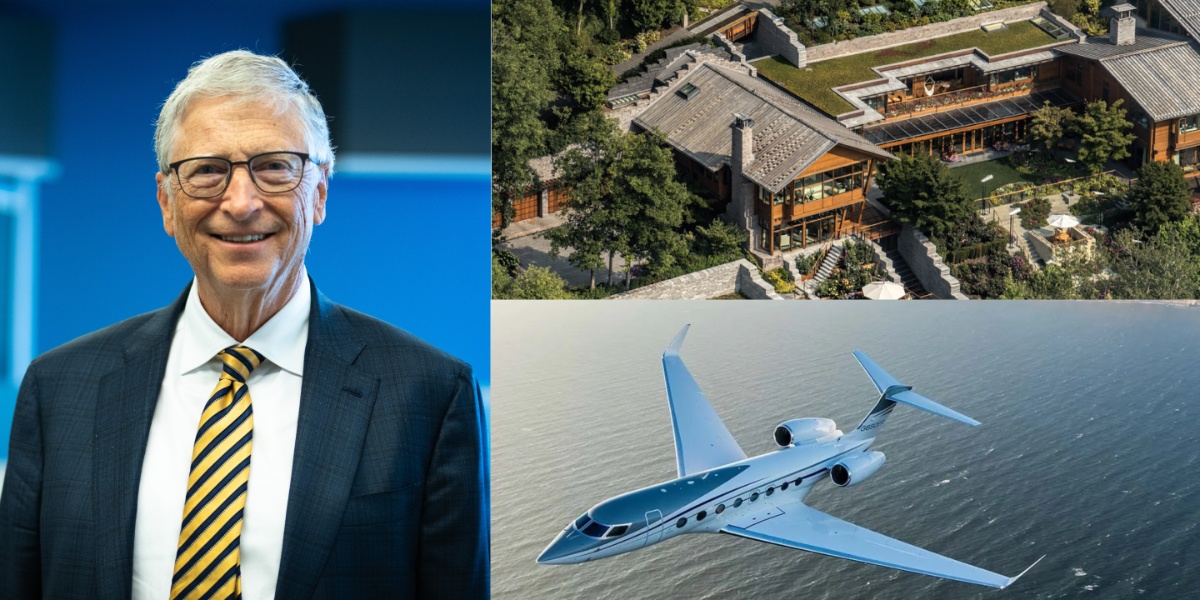
As of today, Bill Gates maintains a significant presence in the world of finance and philanthropy, with an estimated net worth of approximately $114 billion. This figure reflects a combination of his past successes with Microsoft and ongoing investments in various sectors. His wealth is not merely a product of his tech empire; it has evolved through diversified investments and strategic financial maneuvers that adapt to changing market conditions.Gates’ wealth primarily stems from his stake in Microsoft, which he co-founded in 1975.
Over the years, he has gradually reduced his holdings in the company, focusing instead on a diversified investment portfolio through his firm, Cascade Investment LLC. This includes investments in a variety of sectors such as energy, agriculture, and healthcare. Furthermore, Gates has been involved in numerous philanthropic efforts that also influence his financial landscape, as he reallocates a significant portion of his wealth to charitable foundations.
Main sources of Bill Gates’ wealth
The evolution of Bill Gates’ wealth can be attributed to several main sources. Understanding these sources provides insight into how his financial position has changed over the years.
- Microsoft Holdings: Although Gates has sold much of his Microsoft stock, it remains a crucial part of his financial foundation.
- Diverse Investments: Gates has invested in a wide array of companies across different industries, including technology, renewable energy, and healthcare, which continue to yield substantial returns.
- Philanthropic Contributions: His commitment to philanthropy through the Bill & Melinda Gates Foundation has affected his net worth, as he has pledged to donate a significant portion of his wealth.
- Real Estate Investments: Gates owns a variety of high-value real estate properties, including a lavish estate in Washington and agricultural land across the United States, contributing to his overall net worth.
Recent investments and business ventures
Bill Gates continues to actively manage his wealth through various strategic investments that align with his interests in technology and sustainability. Recent ventures reflect his focus on innovative solutions to global challenges.Gates has made significant investments in companies involved in clean energy and sustainable agriculture, recognizing the importance of addressing climate change. For instance, he has backed startups in the renewable energy sector that focus on developing technology to reduce carbon emissions.
His investment in Breakthrough Energy Ventures, aimed at accelerating innovation in sustainable energy solutions, highlights his commitment to this cause.Additionally, Gates has maintained an interest in healthcare innovations, particularly in biotechnology companies that are working on breakthrough medical treatments. These investments not only contribute to his financial portfolio but also align with his philanthropic goals of improving global health.
“Investing in sustainable solutions is not just a moral imperative; it also represents a significant opportunity for financial growth.”
Bill Gates’ net worth today is a reflection of his adaptability and foresight in navigating both market trends and philanthropic endeavors, ensuring that he remains a prominent figure in the financial landscape.
Delve into the historical context of Bill Gates’ net worth over the decades
Bill Gates, co-founder of Microsoft, has seen his net worth undergo remarkable changes since the company’s inception in the mid-1970s. Understanding the historical context of his wealth provides insight into both his personal journey and the evolution of the tech industry. From the explosive growth of personal computing in the 1990s to his philanthropic endeavors in recent years, Gates’ financial trajectory reflects broader technological advancements and economic trends.The evolution of Bill Gates’ net worth can be mapped through various critical milestones in both his career and the technological landscape.
The timeline from the 1990s to the present showcases how Gates’ wealth has been influenced by the rise of technology and various economic factors, including market crashes and shifts in investment strategies.
Timeline of Bill Gates’ Net Worth
Throughout the decades, Gates’ net worth has experienced significant fluctuations. Below is a timeline highlighting key moments in his financial journey:
- 1990: Bill Gates’ net worth reaches approximately $5 billion, buoyed by Microsoft’s dominance in the software market as Windows 3.0 is released.
- 1999: Gates becomes the world’s richest man with a net worth of around $100 billion, marking the height of the dot-com boom and Microsoft’s substantial market capitalization.
- 2000: As the tech bubble bursts, Gates’ net worth drops to about $60 billion, reflecting the downturn in technology stocks and the impact on Microsoft’s valuation.
- 2007: His wealth rebounds to approximately $54 billion, coinciding with the resurgence of technology through advancements in mobile and online services.
- 2010: Gates, focusing on philanthropy, sees his net worth at around $53 billion, as he commits to giving away a significant portion of his wealth through the Bill & Melinda Gates Foundation.
- 2020: Gates’ fortune sees another peak at approximately $120 billion, supported by investments in diverse sectors, including renewable energy and healthcare, alongside the global COVID-19 pandemic response.
- 2023: His net worth fluctuates around $125 billion, reflecting ongoing investments and the impact of economic trends such as inflation and technology market valuations.
The comparison of significant milestones in Gates’ financial journey with technological advancements highlights the interconnectedness of his wealth and the tech industry. For instance, the launch of Windows 95 was pivotal not only for Microsoft but also for Gates’ fortune, demonstrating how product launches can lead to substantial increases in personal wealth.
Impact of Economic Factors
Various economic factors have significantly impacted Gates’ wealth over the decades. Understanding these influences helps contextualize the changes in his net worth.
- Market Cycles: Gates’ wealth has been affected by market booms and busts, particularly during the dot-com bubble where heavy investments in tech stocks initially inflated his net worth, followed by a recession that saw drastic reductions.
- Global Economic Trends: Shifts in the global economy, including trade policies and technological advancements, have influenced Microsoft’s profitability and, by extension, Gates’ financial status.
- Investment Strategies: Gates has distributed his wealth across various industries, including healthcare and renewable energy, which has provided stability and growth even during economic downturns.
- Philanthropic Activities: His commitment to philanthropy through the Bill & Melinda Gates Foundation has altered public perception of wealth, showing that financial success can also mean significant charitable contributions.
Overall, the historical context of Bill Gates’ net worth illustrates a dynamic interplay between personal achievement and broader economic conditions, with technology serving as a constant catalyst for change.
Examine the philanthropic efforts of Bill Gates and their financial implications
Bill Gates, co-founder of Microsoft, is not only known for his technological innovations but also for his extensive philanthropic efforts through the Bill & Melinda Gates Foundation. His commitment to addressing global challenges such as poverty, education, and health has significantly influenced his financial landscape and public image. The Bill & Melinda Gates Foundation has made substantial contributions to various causes, reflecting Gates’ belief in leveraging wealth for social good.
The foundation has focused on several key initiatives that have collectively mobilized billions of dollars in funding. Notable areas of support include global health, education reform, agricultural development, and efforts to combat climate change.
Major charitable initiatives and financial investments
The impact of Bill Gates’ philanthropy is illustrated through several major initiatives funded by the Gates Foundation, which has a reported endowment of over $50 billion. Below are some significant contributions:
- Global Health Initiatives: The foundation has invested over $15 billion in global vaccination programs, significantly reducing diseases like polio and malaria.
- Education Initiatives: More than $4 billion has been dedicated to improving education systems in the United States, focusing on K-12 education reforms and access to higher education.
- Agricultural Development: Gates has committed approximately $3 billion to support agricultural innovation and sustainability in developing countries, aiming to alleviate hunger and poverty.
- Climate Change Initiatives: Investments in climate-related projects exceed $2 billion, focusing on renewable energy and sustainability practices to combat climate change effects.
The scope of these financial commitments demonstrates Gates’ dedication to improving lives globally while also highlighting the substantial amount of wealth he has directed away from personal accumulation.
“Philanthropy is not just about giving away money; it’s about making a difference in people’s lives.”
Bill Gates
Gates’ philanthropic efforts significantly influence public perception as well. His commitment to giving back has positioned him as a leading figure in global philanthropy, enhancing his reputation as a socially responsible billionaire. This contrasts with the views often held about ultra-wealthy individuals, showcasing a balance between wealth accumulation and meaningful contributions to society. However, the financial implications of his philanthropy can be complex.
While his net worth remains substantial, largely due to his investments and shares in Microsoft and other ventures, his charitable contributions have created a narrative around responsible wealth use. This ongoing balance between personal wealth and charitable giving is a defining characteristic of Gates’ public persona, demonstrating how philanthropy can coexist with significant wealth accumulation.
Investigate the role of investment strategies in Bill Gates’ financial growth
Bill Gates, co-founder of Microsoft and one of the wealthiest individuals in the world, has attributed a significant portion of his wealth to shrewd investment strategies. His approach to investing has evolved over the years, adapting to changes in the market and his personal goals, particularly after stepping back from day-to-day operations at Microsoft. This evolution has led to a diversified portfolio that spans various sectors, significantly boosting his net worth.Gates’ investment philosophy has been characterized by a focus on technology and innovation, as well as a keen interest in philanthropy.
He utilizes both public and private equity investments, often investing in companies with strong growth potential. This strategic focus has allowed him to harness the power of compound returns over time, contributing greatly to his wealth accumulation.
Key Investments Contributing to Wealth Growth
Several key investments have played a pivotal role in increasing Bill Gates’ wealth. These investments reflect his strategic foresight and understanding of market dynamics.
- Microsoft: While primarily known for founding Microsoft, Gates’ continued holdings in the company have been a substantial source of his wealth. As the company evolved, so did the value of his shares, especially with the rise of cloud computing.
- Investment in Berkshire Hathaway: Gates has maintained a significant investment in Warren Buffett’s Berkshire Hathaway, which has yielded substantial returns over the years. This investment showcases his belief in the long-term growth potential of diversified holdings.
- Strategic Health Investments: Gates has invested heavily in the healthcare sector, particularly in companies focused on biotechnology and pharmaceuticals, aligning with his philanthropic interests in global health. Notable examples include investments in companies like Moderna and the continued support of initiatives that focus on vaccine development.
- Renewable Energy Ventures: Recognizing the urgent need for sustainable solutions, Gates has invested in renewable energy companies, such as Breakthrough Energy Ventures, which aims to fund innovations that can significantly reduce greenhouse gas emissions.
The returns generated from these investments have significantly enhanced Gates’ financial position, showcasing his ability to identify and capitalize on emerging trends.
Evolving Investment Philosophy and Its Impact
Bill Gates’ investment philosophy has transformed notably throughout his career, reflecting shifts in both personal priorities and global economic conditions. Initially focused on technology, his strategy has diversified to incorporate a broader array of sectors, indicating a more holistic approach to wealth management.Gates emphasizes a long-term perspective in investment decisions, often stating,
“It’s not about how much money you make in a single year but how you compound your investments over time.”
This mindset has led him to embrace investments in companies that may not yield immediate results but are poised for significant growth in the future.For instance, his venture into sustainable energy reflects his commitment to addressing climate change, while also ensuring a lucrative return on investment as the world shifts towards greener technologies. By investing in innovative startups and established companies alike, Gates has succeeded in not only growing his wealth but also influencing industries in positive ways.In summary, Bill Gates’ investment strategies highlight a calculated approach that balances personal beliefs, market opportunities, and long-term financial growth, solidifying his status as a leading figure in both the tech and investment communities.
Comparison of Bill Gates’ Net Worth with Other Billionaires in the Technology Sector
Bill Gates, co-founder of Microsoft, remains one of the most recognized figures in the technology sector. His net worth has fluctuated over the years due to various factors, including investments and philanthropy. In this section, we will compare Gates’ net worth with other tech billionaires, analyze the differences, and explore recent changes in their rankings.
Net Worth Comparison Table
To provide a clearer perspective on how Bill Gates’ wealth stacks up against other tech giants, the following table illustrates the current net worth of several prominent figures in the technology industry along with their respective companies:
| Name | Net Worth (USD, Approx.) | Company |
|---|---|---|
| Bill Gates | $119 billion | Microsoft |
| Elon Musk | $261 billion | Tesla, SpaceX |
| Jeff Bezos | $163 billion | Amazon |
| Mark Zuckerberg | $116 billion | Facebook (Meta) |
| Larry Page | $113 billion | |
| Sergey Brin | $109 billion |
The figures in this table highlight the competitive landscape of technology billionaires. Notably, Elon Musk and Jeff Bezos lead the pack, while Bill Gates remains close to Mark Zuckerberg and Larry Page.
Factors Contributing to Net Worth Differences
Various elements contribute to the differences in net worth among tech billionaires. Some of the key factors include:
- Market Valuation of Companies: The stock market heavily influences the wealth of tech CEOs. For example, Tesla’s skyrocketing stock price has significantly boosted Elon Musk’s net worth.
- Product Diversification: Companies like Amazon have multiple revenue streams, including cloud computing and e-commerce, leading to higher valuations for their founders.
- Entrepreneurial Ventures: Many billionaires have diversified their investments into various sectors, increasing their wealth. For instance, Gates has invested in renewable energy and healthcare, while Zuckerberg has expanded Meta’s reach into virtual reality.
- Philanthropic Contributions: Bill Gates is known for his extensive philanthropic efforts through the Bill & Melinda Gates Foundation, which can impact his net worth compared to others who may retain a larger share of their wealth.
By understanding these factors, we can see why some tech billionaires amass greater fortunes than others and how their business decisions play a crucial role in this dynamic.
Recent Changes in Tech Billionaire Rankings
The rankings of tech billionaires can shift rapidly due to market fluctuations, investments, or major business developments. For instance, as of recent updates, Elon Musk regained his position as the richest person globally, largely due to the impressive performance of Tesla’s share prices.
Recent market trends indicate that the wealth disparity among tech billionaires is becoming increasingly pronounced, with significant implications for market competition and innovation.
Additionally, Gates has seen his rank fluctuate in recent years, often trading places with Zuckerberg and Page. The changing landscape emphasizes the volatile nature of tech industries, where advancements and setbacks can alter fortunes overnight.In summary, the wealth of tech billionaires like Bill Gates reflects a complex interplay of market forces, strategic business decisions, and personal investments, showcasing the dynamic environment of the technology sector.
Present the public and media perception of Bill Gates based on his net worth
The public and media perception of Bill Gates is closely intertwined with his significant net worth. As one of the most recognized billionaires globally, Gates’ wealth not only defines his image but also shapes the narratives surrounding wealth accumulation and philanthropy. His status as a co-founder of Microsoft and a prominent philanthropist through the Bill & Melinda Gates Foundation contributes to a complex public persona that is both admired and scrutinized.Gates’ immense financial success has fostered a range of perceptions, often polarized.
On one hand, he is esteemed for his contributions to technology and global health initiatives, while on the other, he faces criticism from those who question the ethics of billionaires in a world where inequality persists. The portrayal of Gates in the media frequently reflects these dual narratives, emphasizing both his generosity and the contentious debate about the moral implications of vast wealth.
Media Narratives Surrounding Bill Gates
The media often depicts Gates through various lenses, highlighting the multifaceted nature of his wealth and its implications. Several key narratives emerge:
- Philanthropy and Social Impact: Gates is often celebrated for his philanthropic efforts, which aim to tackle global issues such as poverty, disease, and education. His foundation’s initiatives have led to significant advancements in health and education, presenting him as a leader in social responsibility.
- Critiques of Wealth Inequality: Many media outlets critique the existence of billionaires like Gates, arguing that wealth concentration exacerbates social disparities. These discussions raise ethical questions about the responsibility of the wealthy in addressing systemic issues.
- Influence of Misinformation: Misinformation has clouded public perception of Gates’ net worth and intentions. Misleading narratives, particularly in social media, can skew opinions about his motives and philanthropic work, leading to distrust among some segments of the population.
- Symbol of Capitalism: Gates embodies the American entrepreneurial spirit, yet he is also a focal point for debates on capitalism’s flaws. His success story is often used to argue both for and against unregulated capitalism in the modern economy.
“The narrative around Gates reflects broader societal attitudes towards wealth and philanthropy, illustrating the complex interplay between admiration and skepticism.”
Understanding these narratives allows for a more nuanced view of how Gates’ wealth influences public perception, reflecting wider societal attitudes towards billionaires and their roles in addressing global challenges.
Assess the impact of global events on Bill Gates’ financial standing today
The financial standing of Bill Gates, one of the wealthiest individuals globally, is intricately linked to various global events. From economic fluctuations to significant political changes and public health crises, these factors have substantial implications for his net worth. Understanding how these events play a role can provide insight into the dynamics of wealth in today’s interconnected world.Recent global economic events, such as inflation rates, market volatility, and the effects of geopolitical tensions, have influenced Bill Gates’ financial portfolio.
For instance, the economic recovery post-COVID-19 has seen stock markets fluctuate, impacting the value of companies in which Gates has investments. Additionally, the ongoing conflict in Ukraine has affected global energy prices and supply chains, which can indirectly influence the tech and healthcare sectors where Gates holds interests.
Impact of Political Changes and Public Health Crises
Political changes, including shifts in regulations and trade policies, have direct consequences on Gates’ financial interests. The pandemic significantly altered global economies and health systems, prompting substantial investments from Gates in vaccine development and public health initiatives. His commitment to philanthropy during crises has also shaped public perception and his financial strategies.The following points illustrate how these events have affected Gates’ wealth:
- Investments in Health Initiatives: Gates Foundation’s funding of vaccine development during the COVID-19 pandemic, leading to increased public health standing and potential future financial gains.
- Diversification of Investments: Gates has diversified his portfolio to mitigate risks from political instability and economic downturns, spreading investments across sectors like renewable energy and technology.
- Philanthropic Impact on Wealth: Through significant donations, such as the billions committed to global health, Gates has shaped his wealth trajectory while reinforcing his legacy, potentially enhancing his public image and future business opportunities.
Global events have prompted Gates to pivot strategically, aligning his financial decisions with philanthropic goals. His proactive approach not only addresses immediate crises but also positions him favorably for future financial stability. The ability to adapt to changing circumstances underscores the impact of global events on his financial standing and overall wealth management strategy.
Closure
In conclusion, Bill Gates’ net worth today is a compelling reflection of a multifaceted career that combines business acumen with a strong commitment to philanthropy. By examining his financial trajectory, from technological triumphs to charitable initiatives, we gain insight into how he has navigated the complexities of wealth and influence. As Gates continues to adapt his strategies and respond to global challenges, his story remains a testament to the dynamic nature of wealth in the modern world.
Questions and Answers
What is Bill Gates’ current estimated net worth?
As of today, Bill Gates’ net worth is estimated to be around $124 billion.
How has Bill Gates’ net worth changed over the years?
His net worth has fluctuated significantly, peaking in 1999 and undergoing various changes due to tech market dynamics and his philanthropic efforts.
What are the main sources of Bill Gates’ wealth?
The primary sources include Microsoft shares, investments through his fund, Cascade Investment, and various real estate holdings.
How does Gates’ net worth compare to other billionaires today?
Gates ranks among the top 10 richest people globally, often competing with tech giants like Elon Musk and Jeff Bezos.
What philanthropic projects is Bill Gates involved in?
He is actively involved in the Bill & Melinda Gates Foundation, focusing on global health, education, and poverty alleviation initiatives.
How do economic changes affect Gates’ net worth?
Economic fluctuations, such as stock market performance and global events, can have a significant impact on the valuation of his investments and overall wealth.