
Exploring Bill Gates Net worth reveals a fascinating journey through innovation, ambition, and philanthropy. As the co-founder of Microsoft, Gates not only revolutionized the tech industry but also amassed a fortune that has become synonymous with success. His financial story is a blend of strategic investments, impactful ventures, and a commitment to giving back, making his wealth narrative particularly compelling.
From his early days at Microsoft to his diverse investment portfolio, Gates’ financial ascent has been marked by significant milestones that have shaped not only his wealth but also the technology landscape. His ventures into renewable energy and biotechnology demonstrate a forward-thinking approach, while his philanthropic efforts, particularly through the Bill and Melinda Gates Foundation, reflect a profound commitment to societal improvement.
This blend of business acumen and altruism encapsulates the essence of Bill Gates’ net worth.
The historical context of Bill Gates’ wealth accumulation

Bill Gates, co-founder of Microsoft, is one of the wealthiest individuals in modern history. His journey to immense wealth is marked by a series of strategic decisions and innovations that have significantly shaped the landscape of technology and business. Understanding the milestones in Gates’ career provides insight into how he accumulated his wealth and the broader implications of his work for the tech industry and beyond.The founding of Microsoft in 1975 marked a pivotal turning point in Gates’ career.
Initially established to create software for the first personal computers, Microsoft quickly evolved into a dominant player in the software market. The company’s big break came in 1980 when IBM approached Microsoft to develop an operating system for its first personal computer. Gates and his team acquired the rights to an existing OS, renamed it MS-DOS, and it became the standard for IBM PCs, catapulting Microsoft into the spotlight.
Major milestones in Bill Gates’ career
Several key events and decisions significantly contributed to Gates’ wealth accumulation and shaped the trajectory of Microsoft. Understanding these milestones reveals the strategic thinking that underpinned his success.
- Partnership with Paul Allen: Bill Gates partnered with childhood friend Paul Allen to form Microsoft, which allowed for a collaborative approach to software development that combined their talents and insights.
- Successful IPO: Microsoft went public in 1986, providing Gates with a substantial financial windfall and making him a millionaire at just 31 years old. The IPO was a critical moment, establishing a valuation that would continue to grow.
- Windows Operating System: The launch of Windows in 1985 marked the beginning of a new era in personal computing. Windows offered a user-friendly interface that significantly broadened the accessibility and appeal of personal computers, leading to widespread adoption.
- Antitrust Legal Battles: Throughout the late 1990s and early 2000s, Microsoft faced numerous antitrust lawsuits, which highlighted its market dominance. While these legal challenges were tumultuous, they also solidified Microsoft’s position as a leader in the tech industry.
- Diversification into New Markets: Gates recognized early on the importance of diversifying Microsoft’s product offerings. The company ventured into hardware, gaming, and cloud computing, significantly increasing its revenue streams and reinforcing its market presence.
The evolution of the software market during Gates’ rise was equally important in shaping his wealth. During the 1980s and 1990s, the tech industry underwent transformative changes, transitioning from mainframe computers to personal computers, and subsequently, to the internet age. Gates adapted to these shifts by continually innovating and investing in research and development.
“Your most unhappy customers are your greatest source of learning.” – Bill Gates
Bill Gates’ ability to capitalize on emerging trends and anticipate future needs has been a cornerstone of his success. His focus on software as a service (SaaS) and cloud computing in recent years demonstrates his foresight and adaptability, ensuring Microsoft remains at the forefront of technological advancement.
The significance of investments and ventures in Gates’ financial portfolio
Bill Gates, co-founder of Microsoft, has not only accumulated wealth through his iconic tech company but has also diversified his financial portfolio through strategic investments and ventures in various sectors. This approach has significantly contributed to his net worth, enabling him to leverage his resources for both financial growth and societal impact. Gates’s investment strategy showcases his commitment to addressing global challenges while also ensuring economic returns.
His ventures extend beyond the realm of technology, venturing into fields like renewable energy, biotechnology, and public health. Each investment reflects his vision of a sustainable and innovative future.
Diverse Investment Ventures
Gates has strategically allocated his wealth across multiple sectors, which has proven to be a successful method for wealth management and growth. Notable areas of his investments include:
- Renewable Energy: Gates has made significant investments in renewable energy sources, including solar and wind power. His involvement with companies like TerraPower, which focuses on advanced nuclear technology, illustrates his commitment to developing cleaner energy solutions that can help combat climate change.
- Biotechnology: Gates has invested heavily in biotechnology firms that focus on healthcare solutions. His backing of companies like Illumina, which specializes in genetic sequencing, emphasizes the importance of innovation in improving global health outcomes.
- Agriculture and Food Innovation: Through the Gates Foundation, he has funded agricultural advancements to enhance food security. Investments in sustainable farming practices and genetically modified crops aim to tackle hunger and improve nutrition in developing countries.
- Financial Technology: Gates has recognized the potential of fintech to provide financial services to underserved populations. His investments in companies like Ant Financial demonstrate his support for innovations that promote financial inclusivity.
The strategies employed by Gates in managing and growing his wealth include a focus on research-driven investments, thorough market analysis, and a commitment to sustainable, long-term growth. Gates often partners with other investment firms and organizations to amplify the impact of his investments, demonstrating a collaborative approach to both profit-making and philanthropic efforts.
“The best way to predict the future is to invent it.” – Bill Gates
This quote encapsulates Gates’ philosophy on his ventures, highlighting his proactive approach to shaping industries through investment and innovation. His financial portfolio reflects a balance between achieving personal wealth and addressing pressing global issues, illustrating the profound significance of his investment strategies.
The role of philanthropy in Bill Gates’ financial narrative
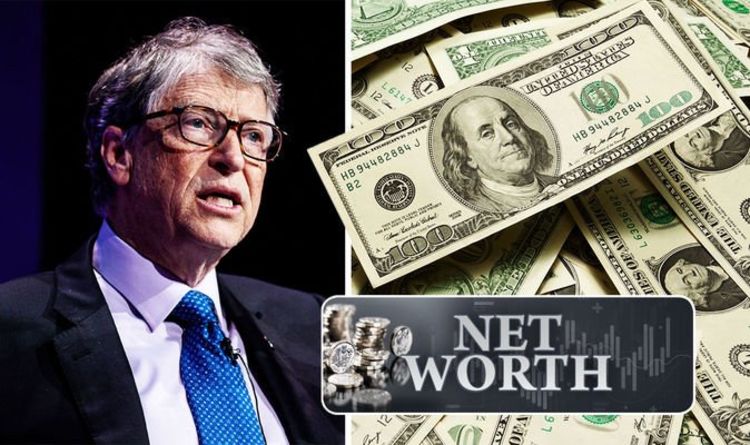
Bill Gates, co-founder of Microsoft and one of the wealthiest individuals in the world, has significantly shaped his financial narrative through his philanthropic efforts. The Bill and Melinda Gates Foundation, established in 2000, has played a crucial role in how the public perceives Gates’ wealth, showcasing his commitment to addressing global challenges. This philanthropic venture has not only affected his public image but has also established a framework for balancing wealth accumulation with charitable giving.
Influence of Philanthropy on Public Perception
Gates’ philanthropic endeavors have transformed public perception, portraying him not just as a billionaire but as a global humanitarian. The foundation focuses on critical issues such as global health, education, and poverty alleviation. By directing a substantial portion of his wealth towards these causes, Gates has fostered a narrative that emphasizes responsibility over mere financial success. Key elements of this perception include:
-
Philanthropy as a social obligation
: Many view Gates’ philanthropic activities as a moral imperative for wealthy individuals, encouraging a culture of ‘giving back’.
-
Positive media portrayal
: The media often highlights his charitable work, which can overshadow negative scrutiny related to his wealth accumulation.
-
Influence on other billionaires
: Gates has inspired many affluent individuals to engage in philanthropy, leading to initiatives like The Giving Pledge, where billionaires commit to giving away a majority of their wealth.
Balancing Wealth Accumulation and Charitable Giving
Gates maintains a delicate balance between growing his wealth and contributing to society. This balance is evident in his strategic approach to investments and charitable funding. While he continues to generate substantial income from various business ventures, Gates also allocates significant resources to philanthropic projects.The aspects of this balance include:
-
Reinvestment in innovation
: Gates believes in leveraging wealth for technological advancements that can lead to sustainable solutions for global issues.
-
Philanthropic strategies
: Through the foundation, he employs effective strategies, such as investing in health initiatives that provide long-term benefits, which can create a ripple effect in improving human life.
-
Diverse funding sources
: Gates blends personal wealth with various partnerships and grants, ensuring a robust financial base for charitable initiatives.
Impact on Overall Net Worth
The impact of philanthropy on Gates’ net worth is multifaceted. While his charitable contributions are substantial, they have not significantly diminished his wealth due to various factors. Notably, the growth of his investments often offsets the donations he makes.Factors influencing this aspect include:
-
Continued wealth generation
: Gates’ investments in companies and startups often yield high returns, enabling him to maintain and even grow his wealth despite substantial charitable contributions.
-
Tax incentives for charitable giving
: Contributions to the foundation can offer significant tax benefits, allowing Gates to optimize his financial strategy while supporting causes he values.
-
Legacy building
: His philanthropic work enhances his legacy, likely increasing his influence and potential financial opportunities in the future.
The comparison of Bill Gates’ net worth with other tech billionaires
Bill Gates, one of the most recognized figures in technology and philanthropy, has had a remarkable journey in the world of wealth creation. His net worth, while still substantial, has shifted in relation to other tech billionaires over the years, particularly in comparison to figures like Elon Musk and Jeff Bezos. Understanding these comparisons requires an examination of their respective fortunes and the factors influencing these financial standings.Bill Gates’ net worth has seen fluctuations as he gradually divested from Microsoft and invested in various other ventures.
As of late 2023, his estimated net worth stands at around $130 billion. In contrast, Elon Musk and Jeff Bezos have eclipsed Gates’ wealth significantly, with net worth figures soaring to approximately $240 billion and $180 billion, respectively. This disparity can be attributed to several factors.
Factors influencing differences in net worth
Various elements contribute to the differences in net worth among these tech giants. Understanding these factors sheds light on the broader dynamics of the tech industry.
- Industry Focus: Gates’ wealth was primarily built through software with Microsoft, while Musk’s fortune derives from both automotive and space industries with Tesla and SpaceX, and Bezos from e-commerce with Amazon. The explosive growth of these sectors has bolstered their net worth considerably.
- Market Volatility: The stock performance of companies like Tesla and Amazon has been highly volatile but generally on an upward trajectory in recent years, leading to significant increases in billionaire valuations, whereas Microsoft has seen steadier but less explosive growth.
- Investment Strategies: Gates has focused more on philanthropy and diversified investments rather than solely tech-related ventures, whereas Musk and Bezos have remained closely tied to their companies, directly influencing their stock prices.
- Public Perception and Media Influence: Musk’s media presence and brand perception, particularly on social media platforms, have played a role in driving public interest and investment in his firms, further enhancing his financial status.
- Global Economic Factors: Trends in global markets, shifts in consumer behavior, and technological advancements have contributed to the varying fortunes of these billionaires, with Musk and Bezos benefitting from trends like e-commerce expansion during the pandemic.
“The tech industry is not just about innovation; it’s also about timing, market demand, and strategic positioning.”
The implications of these comparisons highlight the dynamic nature of wealth within the tech sector. Gates’ transition from a leading billionaire to a philanthropic figure suggests a shift in priorities, whereas Musk and Bezos represent a new era of tech wealth that is heavily intertwined with consumer technology and innovation. These comparisons illustrate not only the personal fortunes of these individuals but also the broader trends shaping the technology landscape and the economy as a whole.
The future outlook of Bill Gates’ wealth
As one of the wealthiest individuals in the world, Bill Gates’ financial trajectory is closely monitored by analysts and investors alike. His investments span various sectors, notably technology, healthcare, and sustainable energy, which could significantly influence his net worth in the coming years. Understanding future trends and market dynamics is essential for gauging how Gates’ wealth may evolve.The landscape of technology and investment is rapidly changing, presenting both opportunities and challenges for Gates.
The ongoing advancements in artificial intelligence (AI), renewable energy, and biotechnology are sectors where Gates has already made significant investments. The growth in AI technologies is set to redefine industries, potentially increasing the value of tech companies in which Gates is invested. Moreover, the global shift towards renewable energy reflects a rising demand for sustainable solutions, aligning perfectly with Gates’ focus on combating climate change through his initiatives and investments.
Trends influencing Gates’ investments
Understanding the trends shaping Gates’ investment strategy is vital, as they can provide insights into potential future wealth. The following trends are particularly noteworthy:
- Artificial Intelligence Expansion: The surge in AI capabilities is driving transformation across multiple sectors. Gates’ investments in AI startups could yield significant returns as businesses increasingly adopt these technologies.
- Sustainable Energy Growth: Gates has heavily invested in clean energy initiatives. The global shift towards environmentally friendly solutions is expected to enhance the value of these investments as governments and consumers prioritize sustainability.
- Healthcare Innovation: The ongoing focus on healthcare technology, especially in the wake of the COVID-19 pandemic, positions Gates’ investments in biotech and health tech as crucial for future growth.
- Digital Transformation Acceleration: With businesses increasingly moving online, Gates’ stakes in various tech companies are likely to appreciate as digital infrastructure becomes indispensable.
The sustainability of Gates’ current investments is also a key factor in his financial future. As market dynamics shift, it will be critical to evaluate the resilience of his portfolio against economic changes. For example, the volatility in tech stocks can impact net worth dramatically, as seen during market corrections. Gates’ diversified investments are designed to mitigate such risks, but market fluctuations remain a constant concern.Economic shifts, such as inflation rates, interest rate adjustments, and geopolitical tensions, will also play a role in defining Gates’ financial status.
For instance, rising inflation could affect consumer spending and investment returns, compelling Gates to adapt his strategies accordingly. Historical trends show that economic downturns can temporarily diminish wealth, but Gates’ strategic foresight may help him navigate these challenges, thereby protecting and potentially enhancing his financial standing.
“Investing in innovation and sustainable solutions positions Gates to maintain and potentially grow his wealth amidst changing economic landscapes.”
The public perception of wealth and success through the lens of Bill Gates
The perception of wealth and success in modern society can often be intertwined with individual stories of achievement and philanthropy. Bill Gates stands as a prominent figure in this narrative, representing not only immense financial success but also a model of responsible wealth management and social contribution. His journey from a college dropout to the co-founder of one of the most influential technology companies in the world exemplifies how success is perceived in today’s culture, marked by innovation, ambition, and a willingness to give back.Gates embodies the modern concept of success through a combination of entrepreneurial spirit, technological advancement, and a commitment to philanthropy.
His legacy is shaped by several factors, including his early vision for personal computing and a relentless work ethic. Gates’ approach to wealth reflects a broader societal belief that success is not merely about accumulating resources, but also about making a positive impact on the world. The perception of wealth is thus not only tied to financial metrics but also to the societal contributions of wealthy individuals.
Societal views on wealth and responsibilities
The societal expectations regarding wealth are significant, and Bill Gates exemplifies how the affluent can wield their resources for the greater good. The conversation around wealth often revolves around the responsibilities that accompany it, particularly in terms of philanthropy and community support. Gates’ actions illustrate the concept that successful individuals should leverage their wealth to address pressing global issues, such as poverty, education, and health care.
His establishment of the Bill & Melinda Gates Foundation serves as a prime example of this ethos. The foundation focuses on enhancing healthcare, reducing poverty, and expanding educational opportunities globally. The following points highlight how Gates’ philanthropic efforts have shaped perceptions of wealth:
-
The belief that wealth should be used to facilitate change is increasingly prevalent. Gates’ initiatives in global health have saved millions of lives and improved the quality of life for countless individuals.
-
Gates emphasizes strategic philanthropy, advocating for data-driven solutions to large-scale problems, demonstrating that wealth can be a force for positive change.
-
His commitment to donating a significant portion of his wealth through the Giving Pledge encourages other billionaires to contribute to society, thereby reshaping the narrative around wealth and responsibility.
Additionally, Gates’ lifestyle choices, from his relatively modest personal expenditures to his focus on lifelong learning, reflect broader societal values about wealth. He has often been seen promoting the idea that true success encompasses both personal achievement and the responsibility to uplift others. This perspective resonates with many, reinforcing the notion that wealth can be a platform for positive influence rather than mere accumulation.As a result, Bill Gates has become a symbol of how wealth, when accompanied by a sense of duty, can redefine success in contemporary society.
His journey exemplifies the belief that the impact of wealth is measured not just by the amount amassed, but by the legacy of change left behind.
Epilogue
In summary, the story of Bill Gates Net worth is one of remarkable achievement intertwined with a deep sense of responsibility toward the greater good. As he continues to navigate the evolving landscape of technology and philanthropy, the implications of his wealth will undoubtedly remain significant. Gates serves as a fascinating case study in balancing financial success with the impact one can have on the world, shaping perceptions of wealth and success for generations to come.
Essential Questionnaire
What is Bill Gates’ current net worth?
As of 2023, Bill Gates’ net worth is estimated to be around $120 billion.
How did Bill Gates become so wealthy?
Gates’ wealth primarily comes from co-founding Microsoft and his strategic investments across various industries.
What impact has philanthropy had on Gates’ net worth?
While his philanthropic efforts have reduced his net worth, they have enhanced his public image and societal impact.
How does Bill Gates’ net worth compare to other billionaires?
Gates’ net worth is frequently compared to other tech billionaires like Elon Musk and Jeff Bezos, often fluctuating due to market changes.
What are some of Gates’ notable investments?
His investments include stakes in renewable energy, biotechnology, and various financial ventures through his investment firm, Cascade Investment.
Is Bill Gates still involved in Microsoft?
Gates stepped down from day-to-day operations at Microsoft in 2008 but remains a key figure in its evolution.